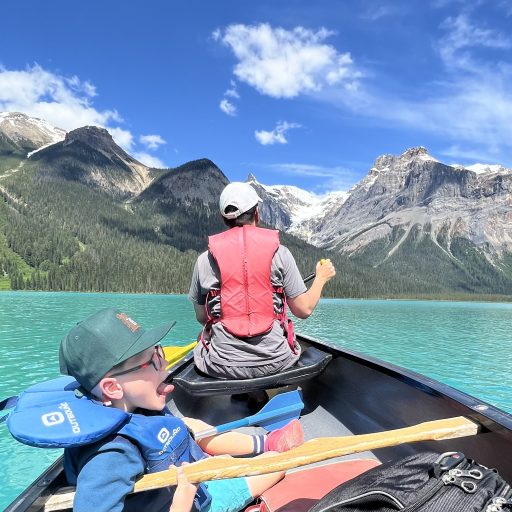
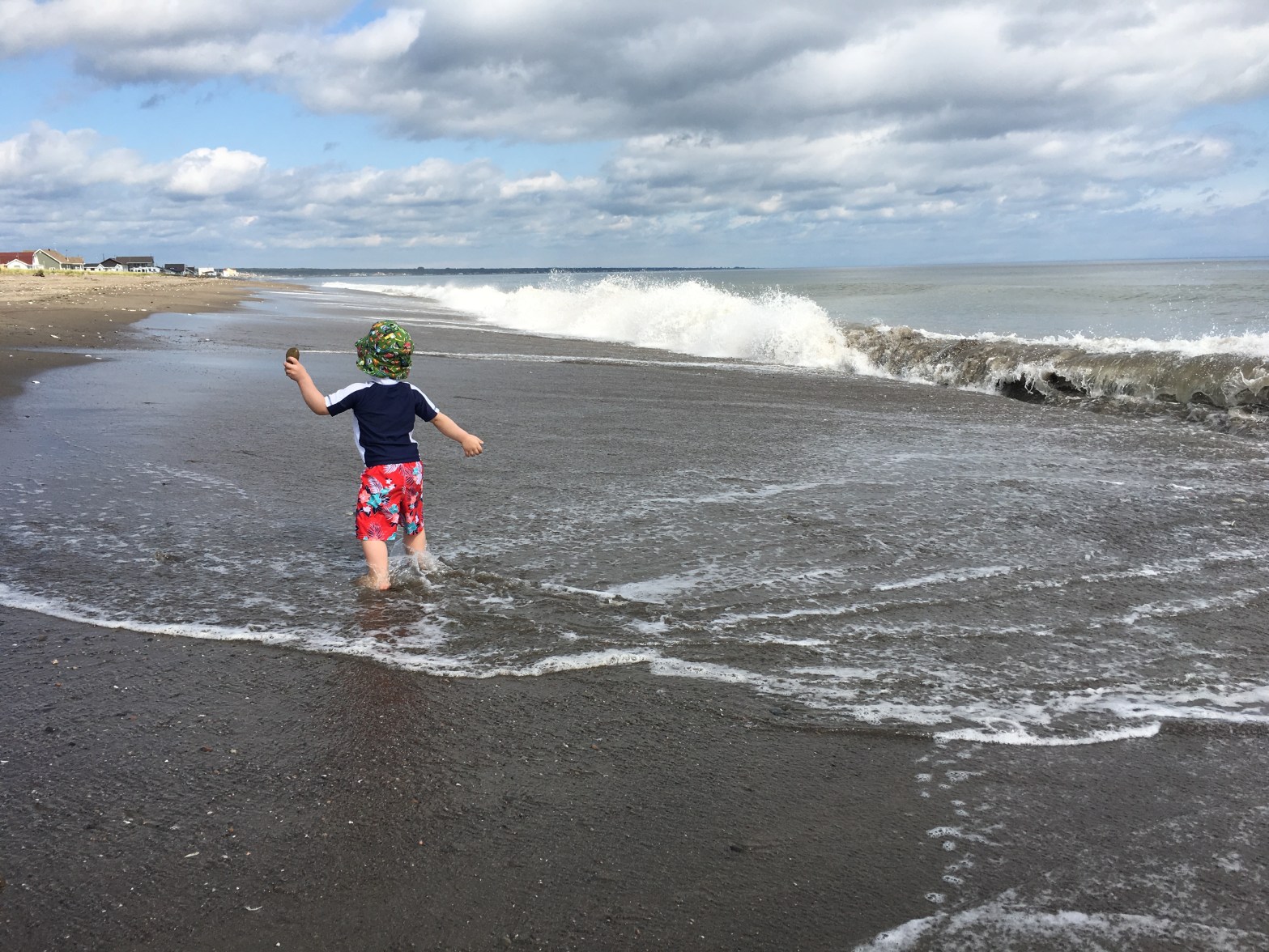
Time spent and memories made with our loved ones are what really count in the end.
When my sister learned her chemotherapy was not working, it was sad watching her come to terms with her time left.
She said the saddest thing was not getting to spend more time with family and friends.
Shortly after her funeral, COVID hit our family – the hubby got the brunt of it – and I felt a tad stressed.
T’s teacher sent an assignment home on the weekend – asking us to work with him to complete a worksheet about family traditions ahead of the class talking about them the coming week.
While I didn’t need one more thing to do, I loved her accommodating approach for T.
I first explained what family traditions are then asked T to write one word and draw one photo to represent one of our traditions in each of the six boxes on the worksheet.
I let T take the lead and it was touching to see the six traditions he chose: Christmas, Easter, pizza, camping, beach and “happy birthday.”

Family traditions are important to me, because these moments create lasting bonds and memories.
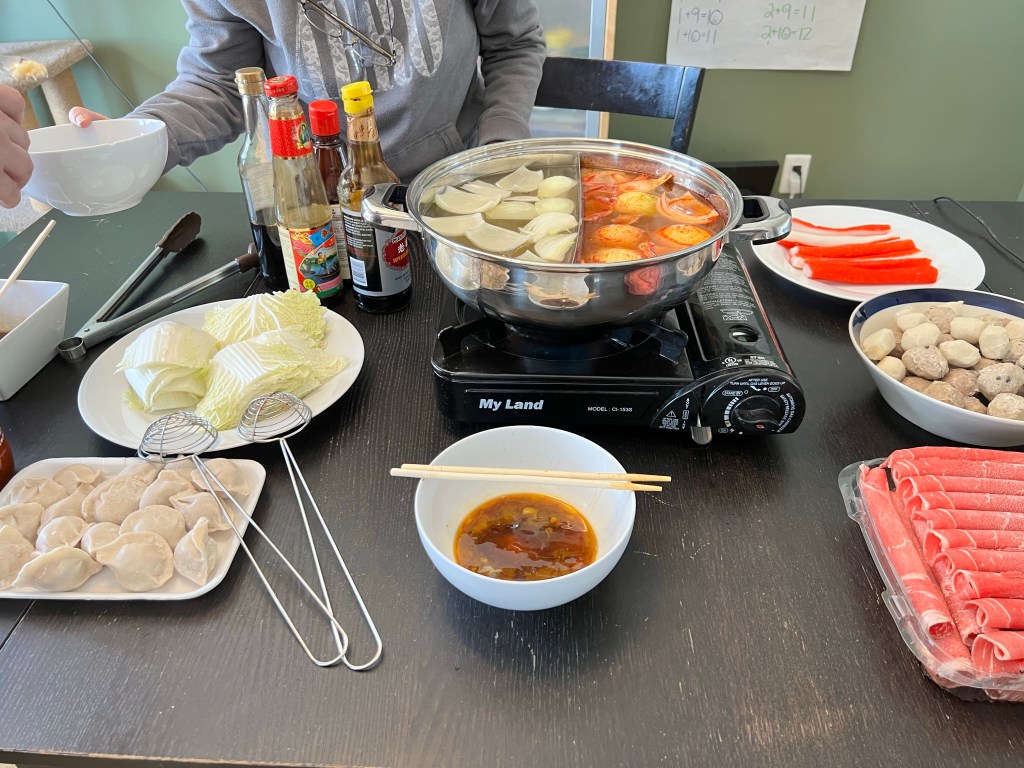
They could be big events like a family vacation and more often than not, they are the simpler pleasures – like a walk or hike together, summer swimming or Friday night takeout.
Traditions represent routines and structure and predictability are so important for kids with FASD.
Traditions give us something to look forward to. Knowing milestones that lie ahead in 2023 is helping me get through the challenging past while.
Working on the traditions assignment with T helped me get through hard days in January. I enjoyed the trip down memory lane and it was touching these traditions mean something to him.
Christmas

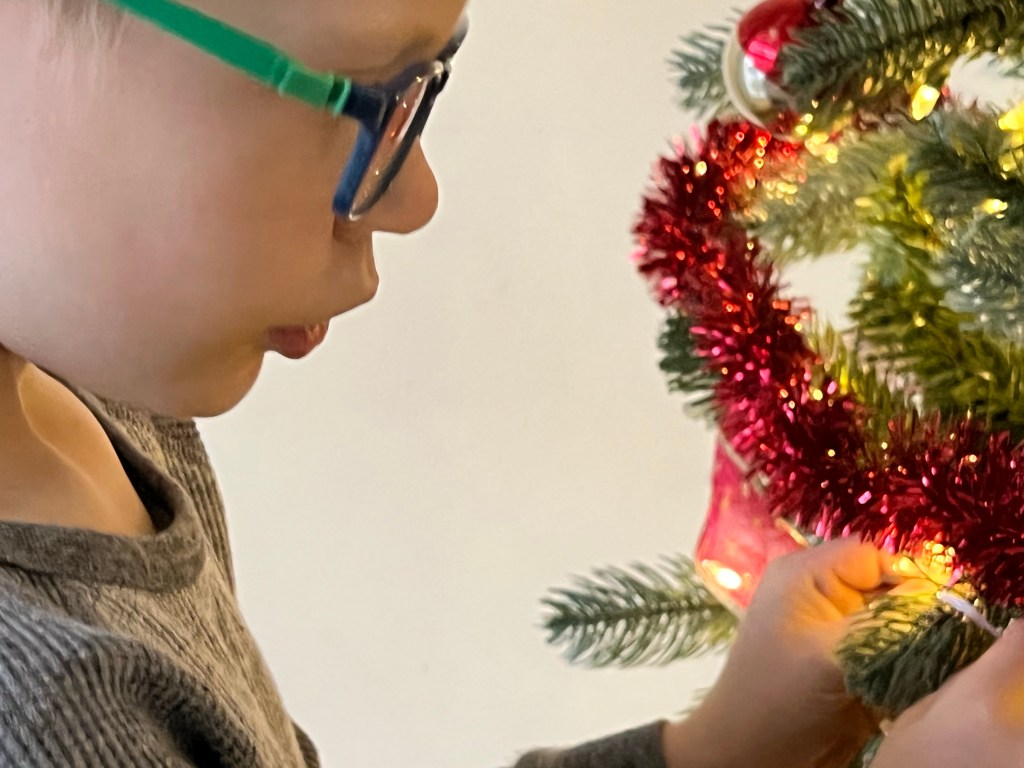
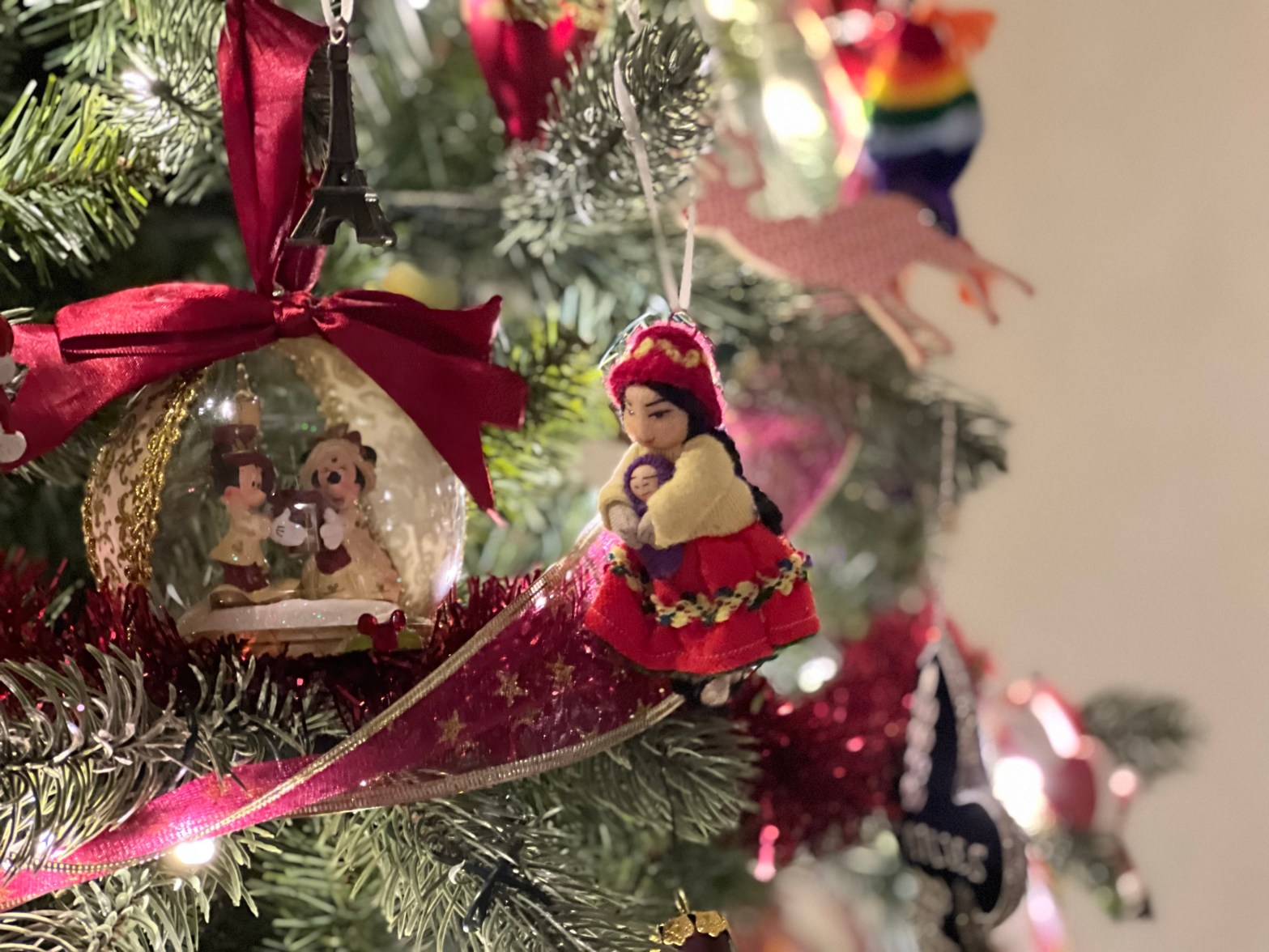
T’s favourite holiday and the one he looks most forward to is Christmas. He can roleplay Christmas and Santa any month of the year!
Pizza

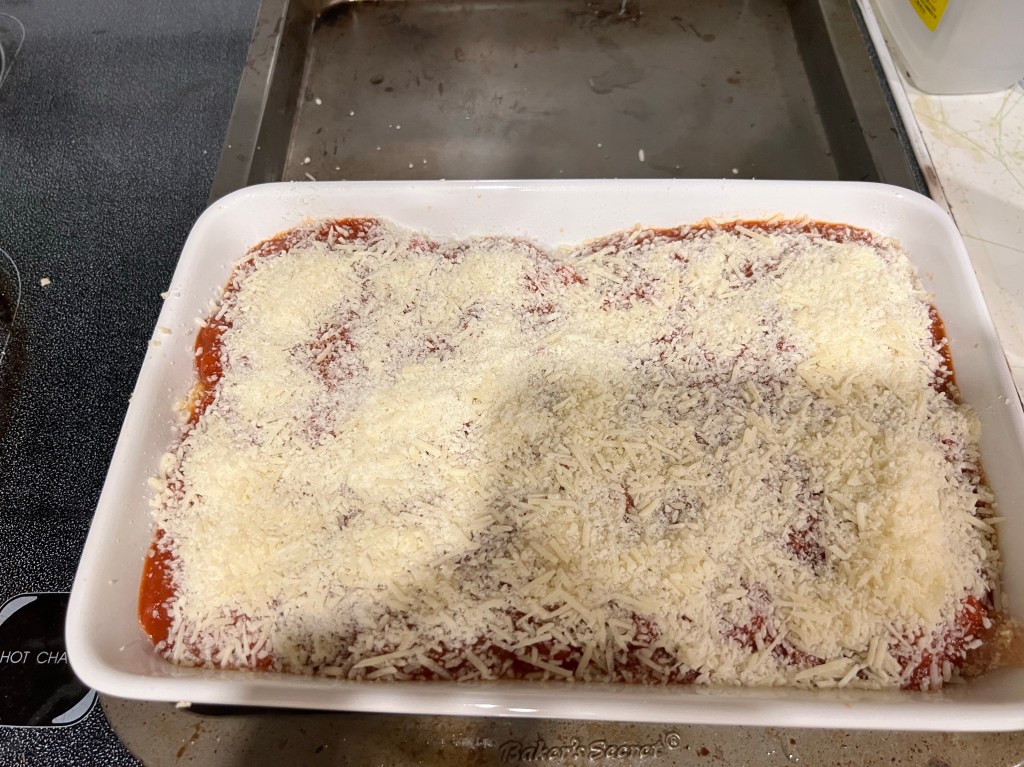
T is a very picky eater so when he finds something with protein (meat) on it, we celebrate. We have at least one pizza night a week.
Beach
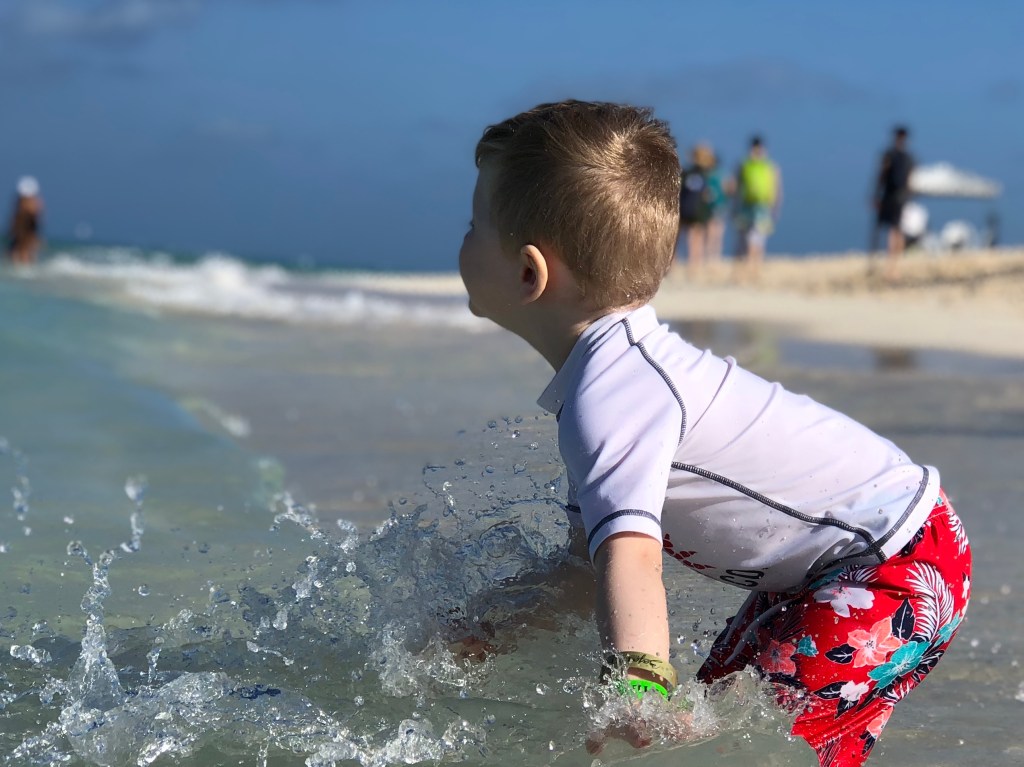
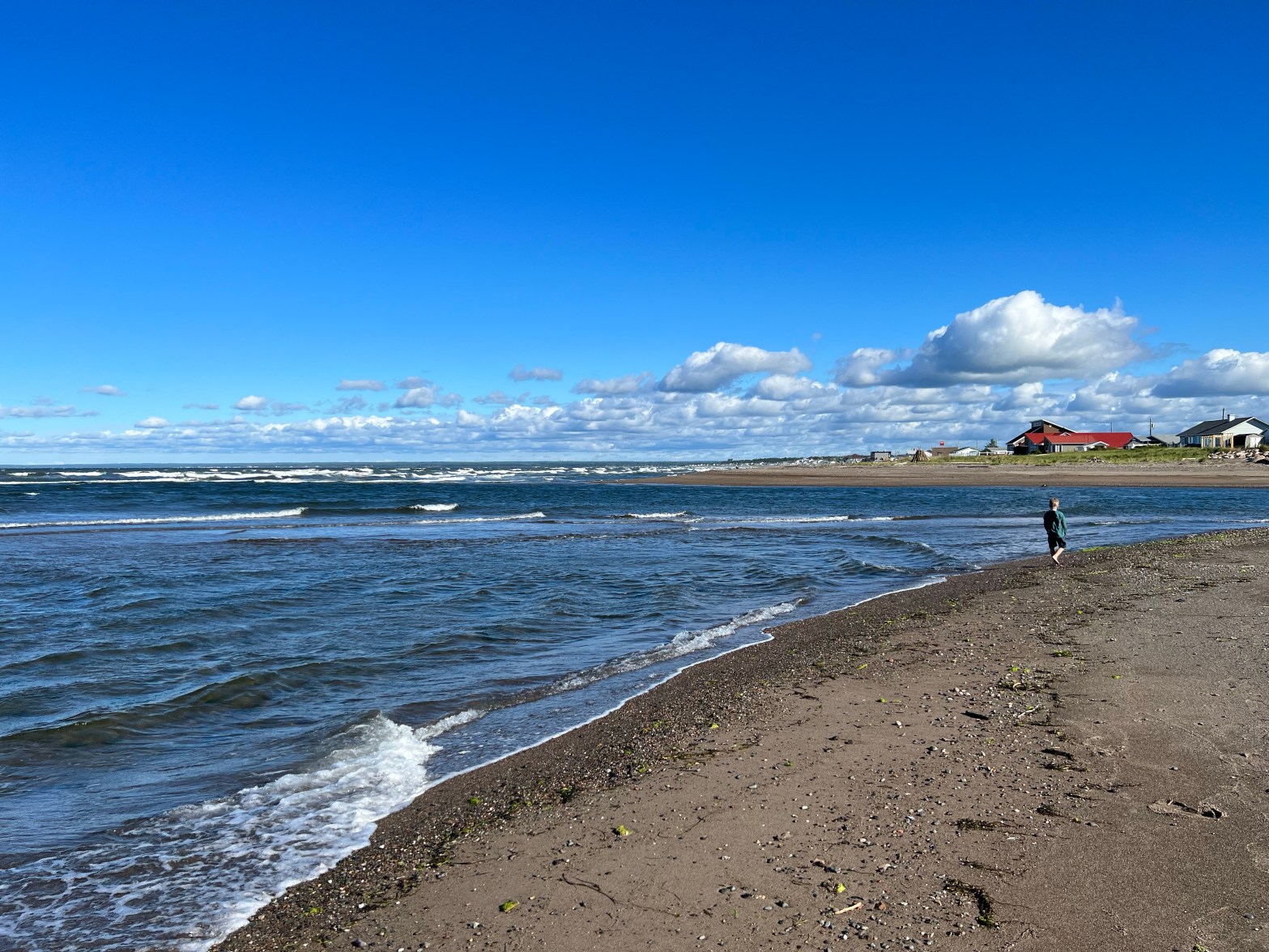
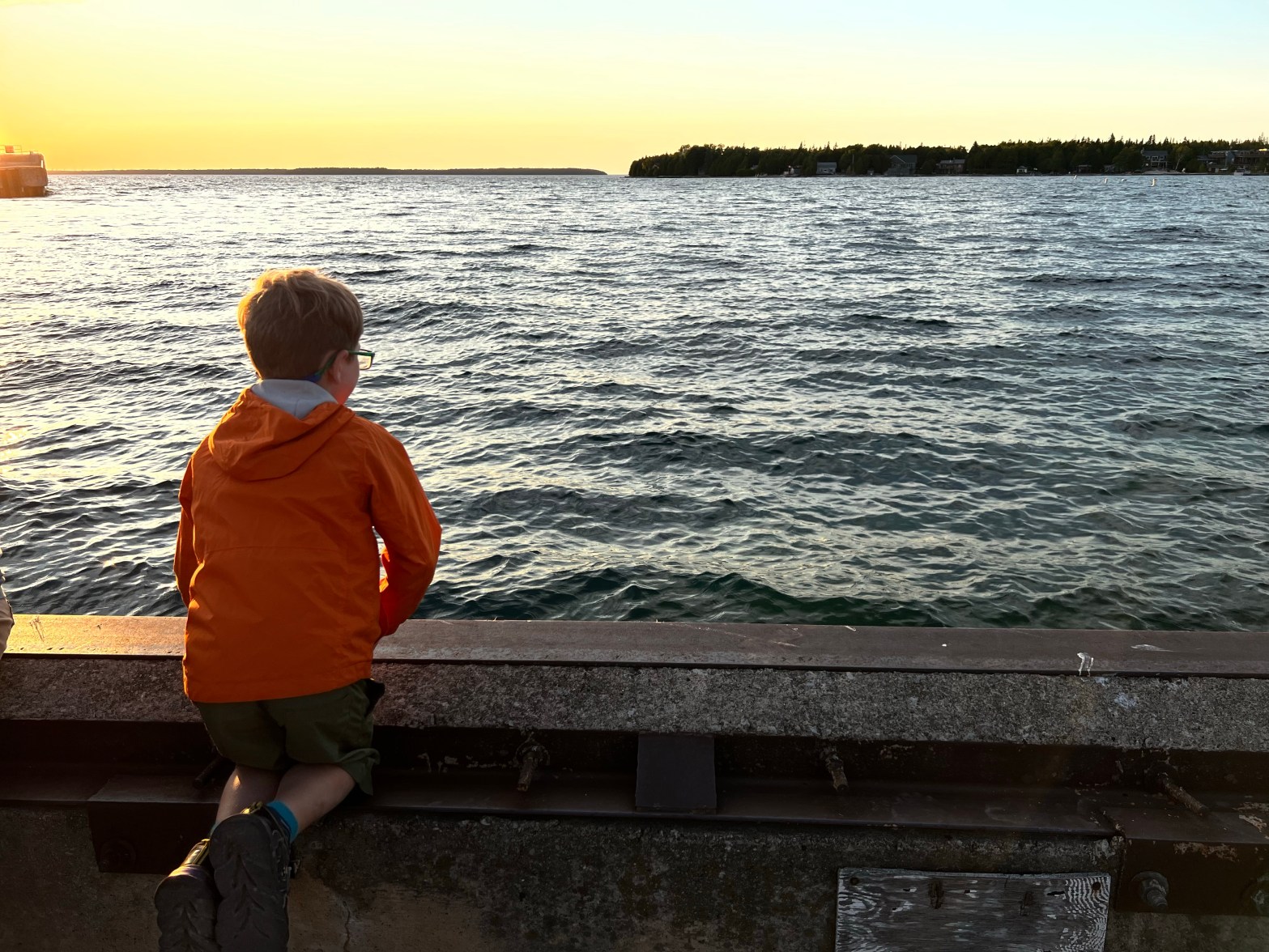
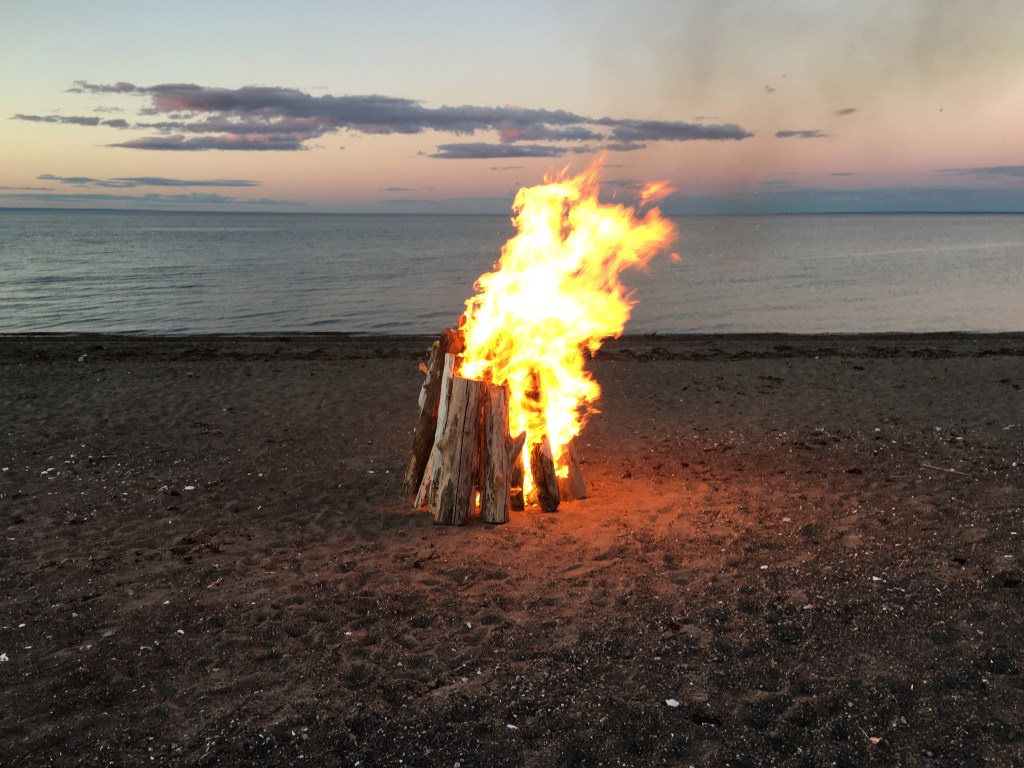
We are fortunate to be able to go on family vacations and we try to do something, nearby or further, once a year. As T is younger, we do family friendly beach vacations. As he gets older, we hope to explore other parts of the world together.
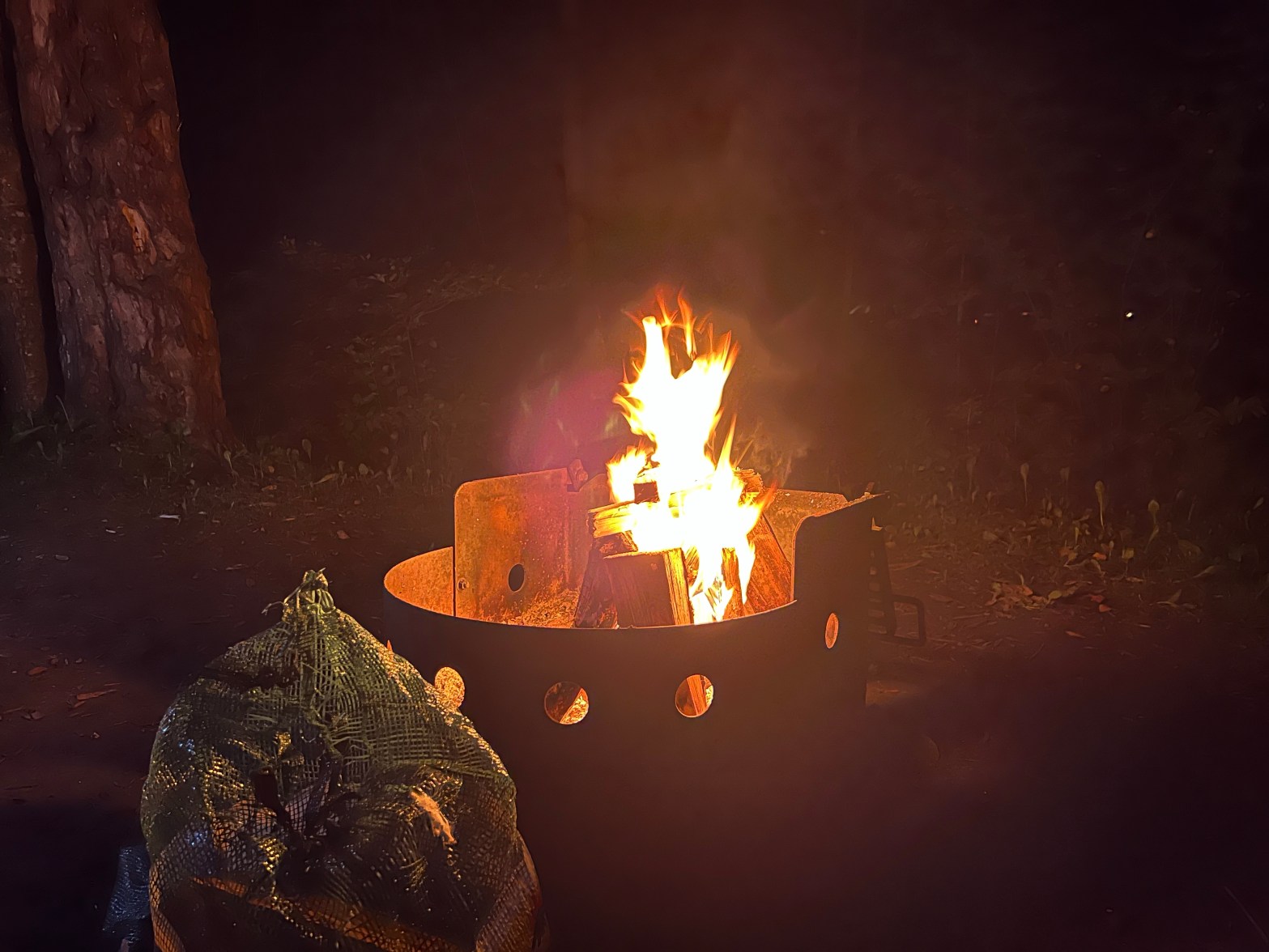
Camping
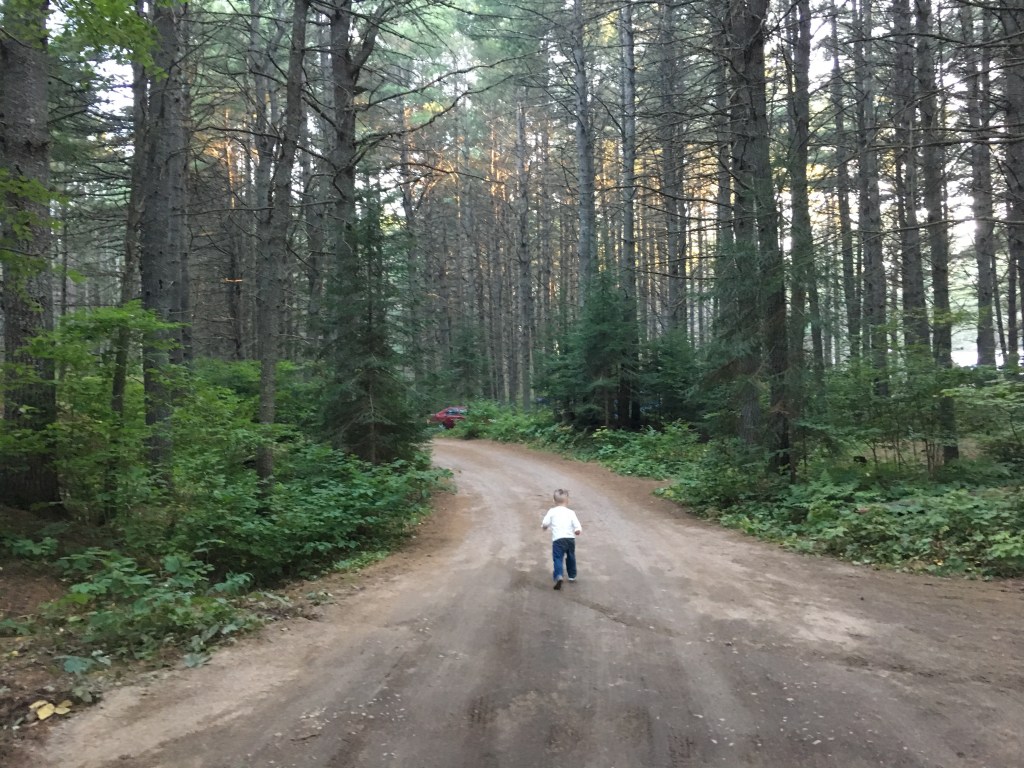
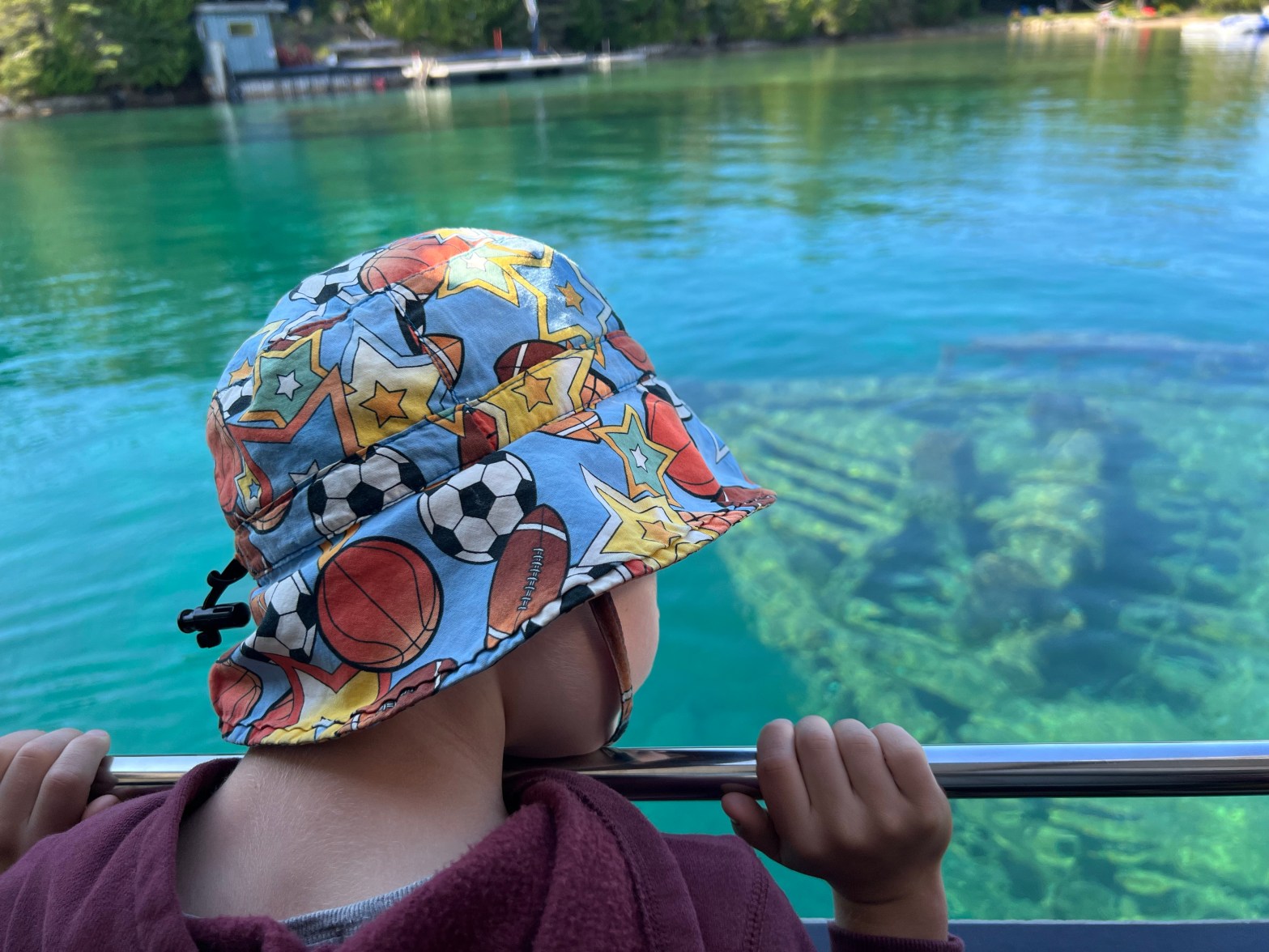
One of the best things about parenting is introducing your traditions to your children so it becomes their tradition – like camping. T went on his first camping trip at 18 months with us and it’s now a summer tradition.
Easter

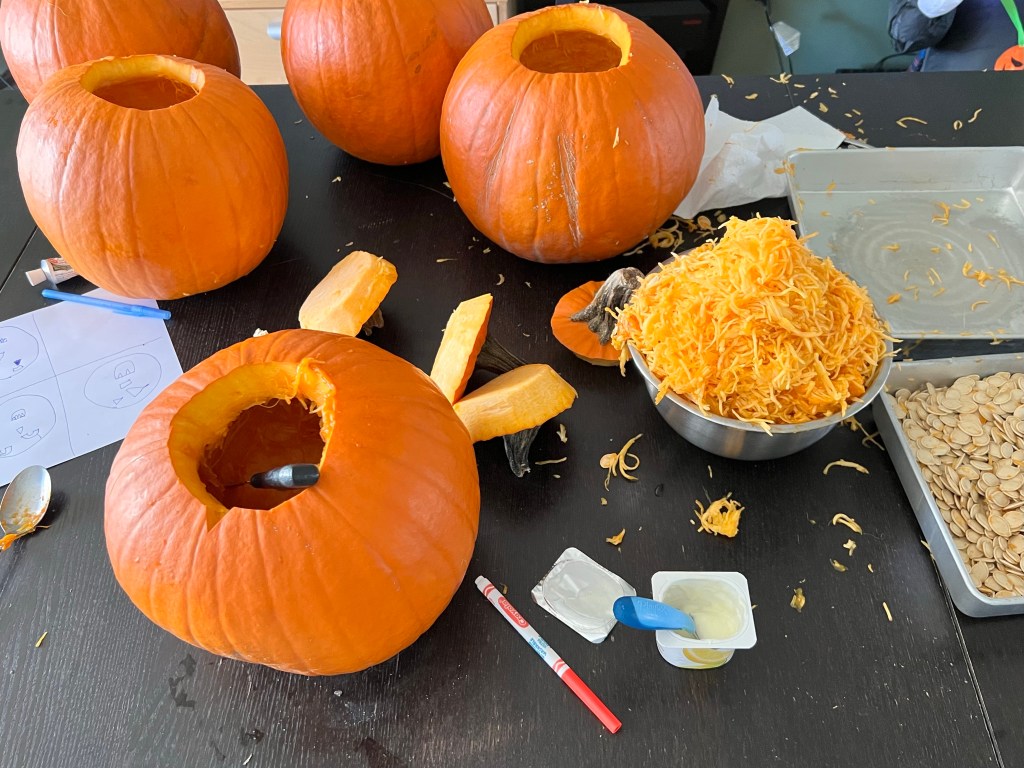
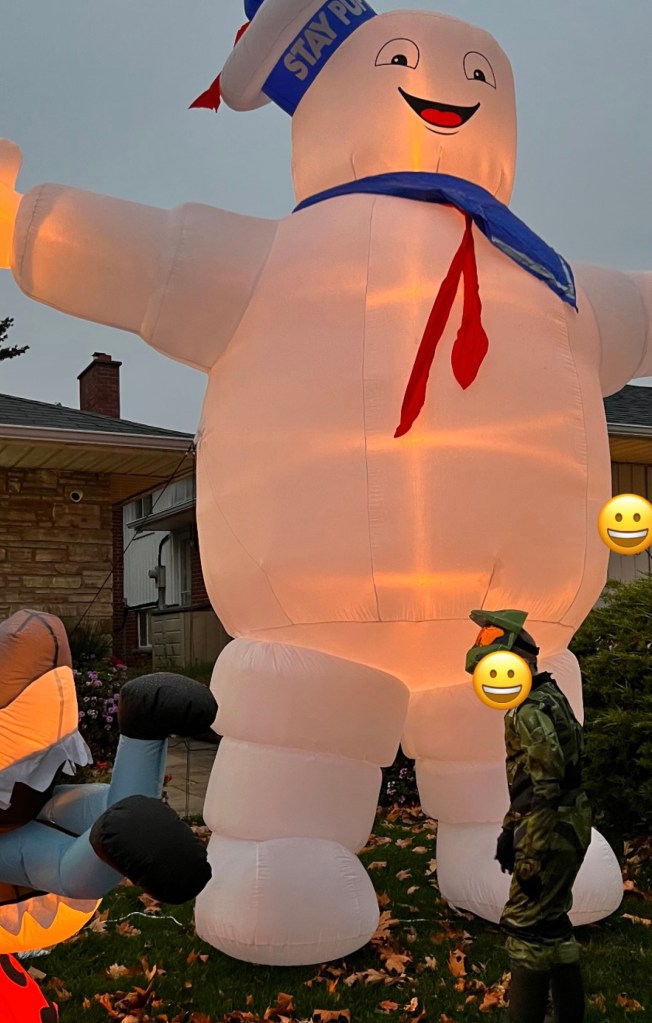
I was shocked that Halloween didn’t end up on T’s traditions worksheet, but I was amused he chose Easter. Come to think of it, he always enjoys the egg hunts each year.
Happy Birthday

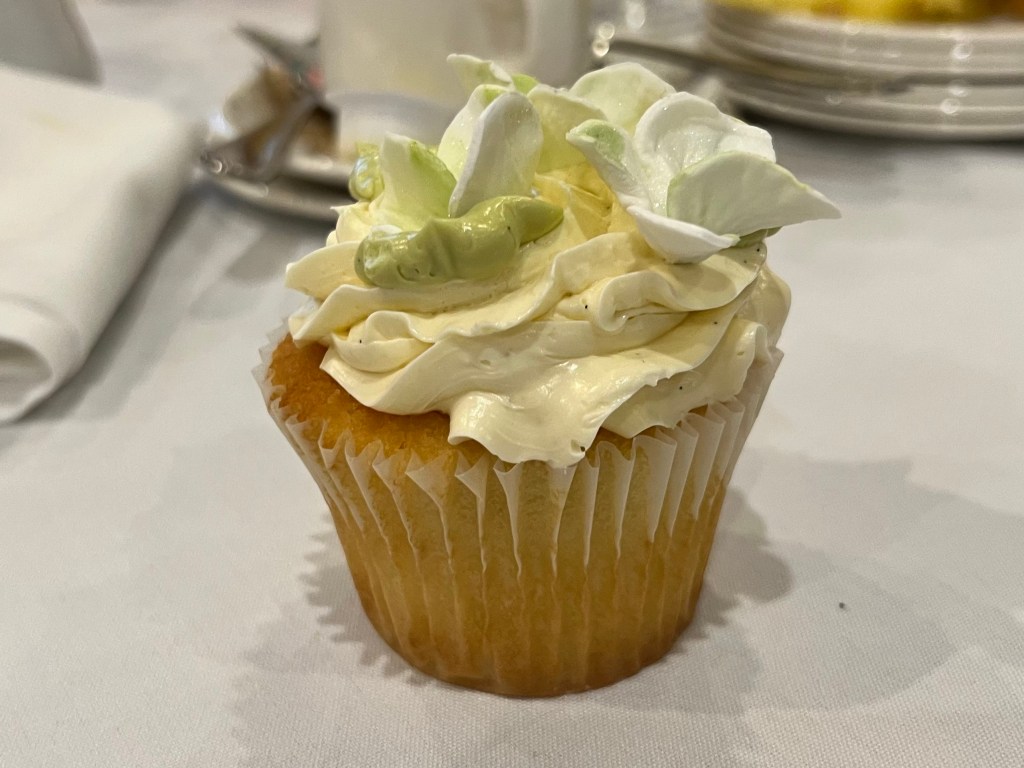
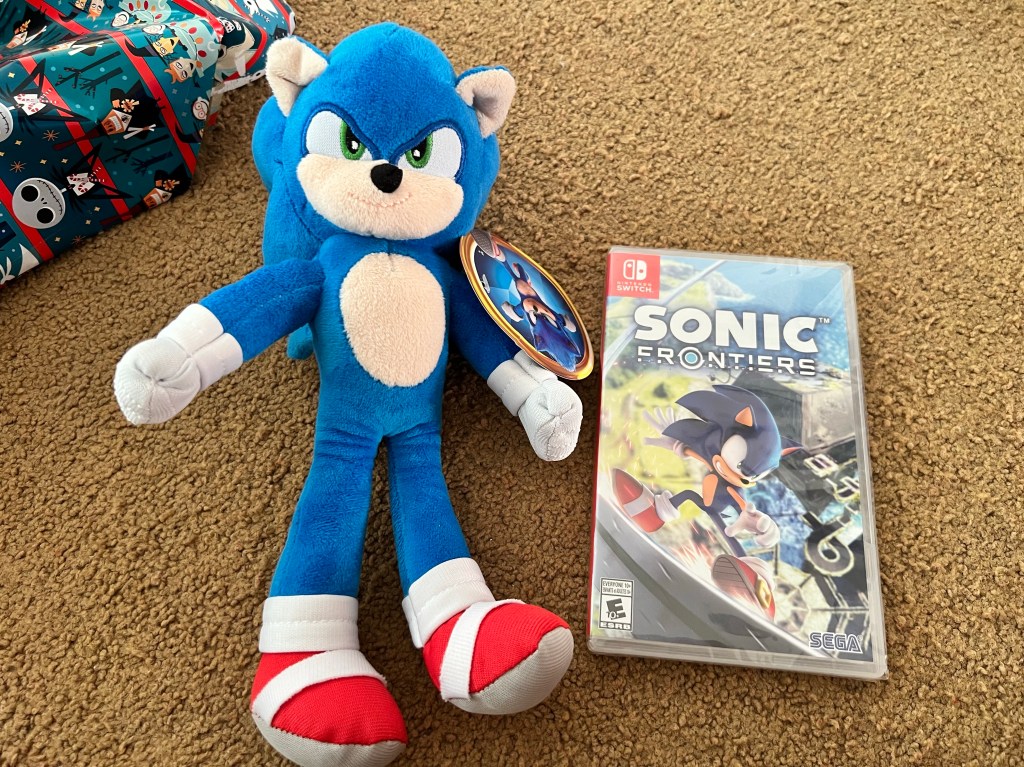
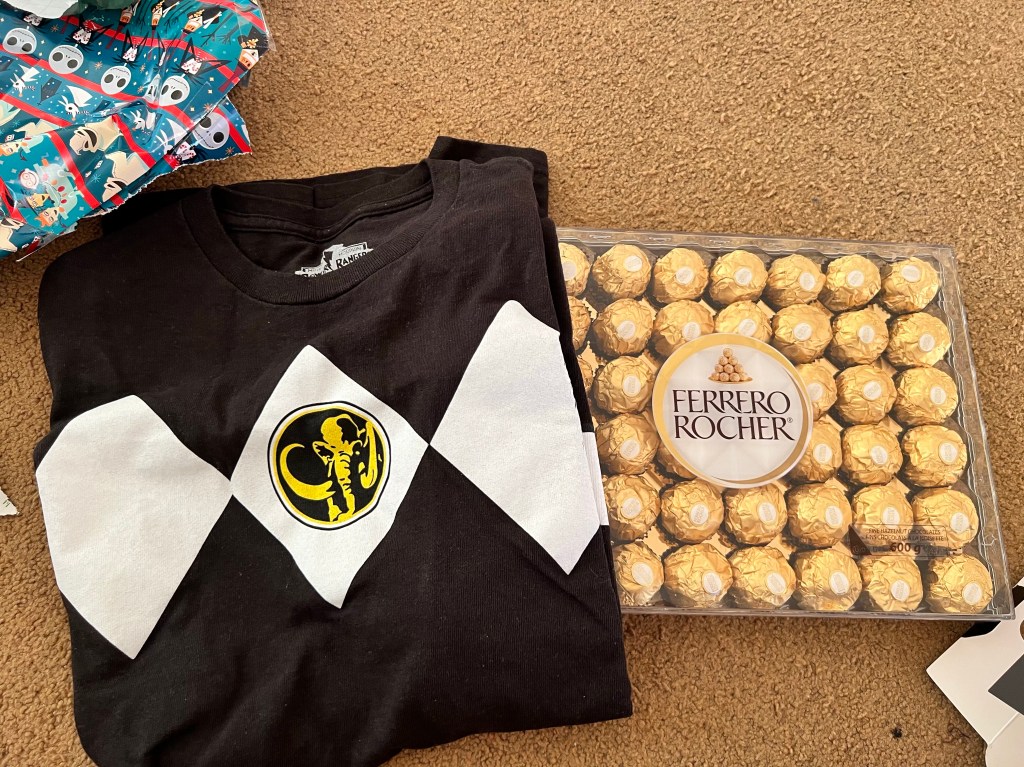
Birthdays are up there with Christmas as something T looks forward to every year. This year, T wanted to invite classmates to our house and we’re not comfortable yet to do a party. But we told him we will try for his 9th birthday next year – as a new tradition to look forward to!
A few days into the following school week, we got a lovely text from his CYW.
She told us that T did a great job presenting his worksheet to the class – and that he spoke clearly and confidently.
We know public speaking is something T doesn’t normally enjoy, so we took this as a win and were so proud of him.
To celebrate, we ordered pizza for dinner.