

This is a very hard post to write, but I’ve learned that fears die down when you face them.
I’ve been enjoying the ramp up to Halloween – recently catching a matinee of “Halloween Ends.”
Yesterday night, a real horror scenario played out: T took a lollipop from a store without paying for it.
This may sound trivial but this is triggering for me, because stealing behaviour is common for some kids with FASD – and I’ve long dreaded this.
The evening started innocently: T and I were shopping at the dollar store for Halloween decor.
At the lineup, he walked away. When I went to look for him, I saw him slide his hand into his pocket.
Not thinking anything of it, I later saw a lollipop poke out. I questioned him and he said it was given to him by daycare.
It felt off but I didn’t want to create a scene. In the car, I grilled him and he confessed he took it.
I was livid and I told him what he did was wrong and is considered a crime.
I was in shock and my reaction was to drive home. T had a meltdown because he thought we were going to jail after I said the word crime. I was so upset I let him sweat until we got home.
The horror film “Halloween” tells the tale of Michael Myers who escapes from an asylum and goes on a killing spree, targeting babysitter Laurie Strode, with psychiatrist Dr Loomis in his pursuit.
Laurie is horror’s most famous “Final Girl” and she referred to Myers as the Boogeyman, a word synonymous with things we deeply fear.
As a parent of a child with FASD, the invisible disability itself is my Boogeyman.
When we first learned about T’s FASD prognosis, the things I read up about it horrified me, specifically high risk for aggression, mental health challenges, run-ins with the law.
I read with empathy of other parents’ struggles, including challenges related to stealing behaviour.
If a horror movie fan was to judge T based on the challenging behaviours he can exhibit, they wouldn’t peg him as the “final girl,” the virtuous character who survives the mayhem.
Thankfully, what the FASD parenting journey has taught the hubby and I is that our kids don’t follow the standard narrative, nor is anything about this life journey standard.
Once we understand “brain not behaviour,” the chaos makes better sense.
In T’s case, FASD impairs his executive functioning and makes him very impulsive, which is how I’m explaining what happened at the store.
To be clear, I’m not making excuses for him. I am still very pissed and sad about what happened – but I’m trying to view it from the eyes of a child with an invisible disability.
In our horror movie, T is the final girl being chased endlessly by the boogeyman of FASD – and the hubby and I are Dr Loomis, his external brain.
Invisible Disability Week took place this past week.
Our fear of the Boogeyman is so powerful, because it is unseen and unknown – leaving our imaginations to fill in the blanks and make it larger than life.
When I think about FASD, the hubby and I have come a long way with our relationship with it, because we have learned and experienced so much, and been blessed with wonderful supports.
The invisible became visible. What was once unseen is now seen. What once seemed unknown and scary seems less so, although not necessarily easier to deal with, just to be clear.
When we got home from the store, T dashed out of the car, into the house and hid in our room.
I sat by myself in our dining room trying to collect my thoughts. I was so flustered.
After the hubby logged off work, I told him that we were driving back to the store, T was going to go to the cashier, tell them what he did, return the lollipop and say sorry.
That’s exactly what we did – and T was cooperative.
I will be honest, I felt nervous and mortified, but I knew this was the right thing to teach T – and it was about facing my own Boogeyman.
T handed the lollipop to the cashier and said, “I’m sorry I stole the lollipop.”
As we left the store, we praised T for doing the right thing. We also reiterated what we did was wrong and that he was grounded for the weekend with no electronics or his favourite snacks.
The hubby and I are aware this could happen again. As his external brain, we will remind T about expectations going into a store, supervise him and do an inspection before we leave.
This may sound over the top to parents of neurotypical children, but for us, it’s about helping our T succeed.
“Halloween Ends” is the 13th film in the franchise and just like Michael Myers never stays away and comes back in endless sequels, the Boogeyman of FASD will always be a part of T’s life.
But I still believe – even if part of me feels deflated by what happened on Friday – that T will still emerge as the “final girl” in his story.
Through supports, accommodations, intervention therapies, awareness raising, advocacy, the invisible Boogeyman in his life will become more visible and the fear will die down, giving us the courage to face the ongoing challenges.
Today, Saturday, was a trying day, but we stuck to our guns and he was grounded.
We took T to swim lessons. He did an amazing job.
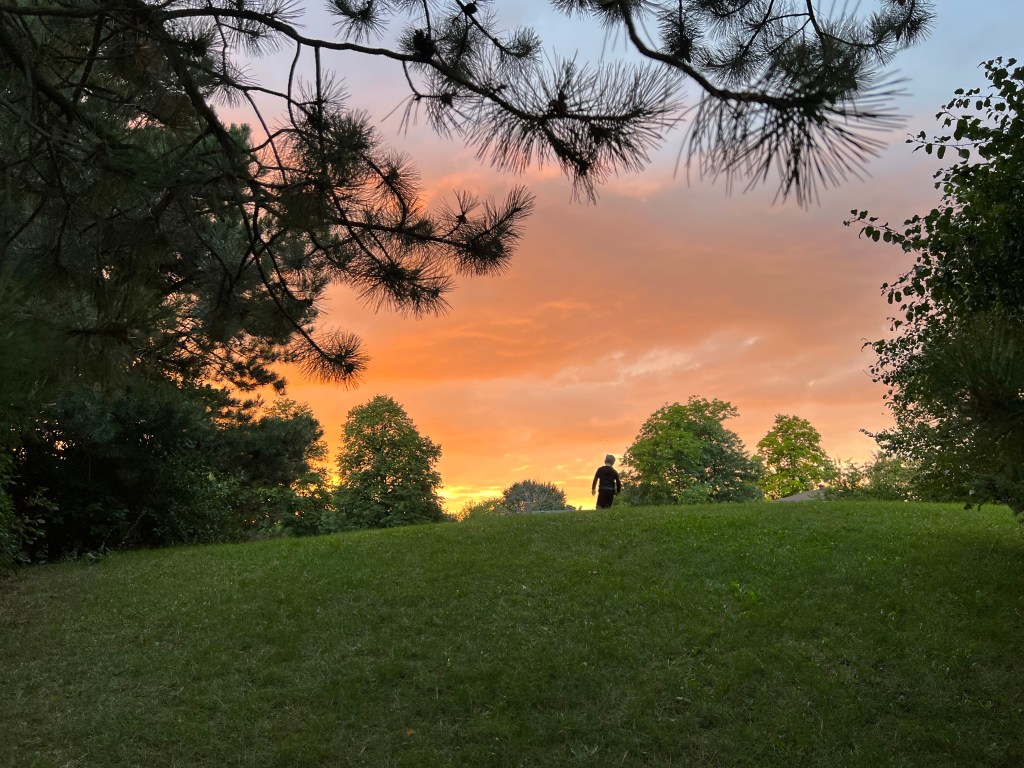
In the afternoon, I took him to the park and enjoyed watching him initiate play with a group of boys.
As I watched him laugh and smile, I reminded myself that he’s just a kid, trying to find his way in this world with the cards he’s been dealt.
And for that one moment, I told the Boogeyman to fuck right off.






































































 My Life With T