The film is also a love story to Italian culture, from its beautiful seaside town setting to the delicious cuisine enjoyed by the characters.
One memorable scene is when the characters enjoy a traditional Northern Italy dish called trenette el pesto (pictured at top).
I enjoy Italian food but it’s not something I often make. Carbs are also counter productive towards my current “I want abs, dammit!” mission.
I recently discovered Instagram videos by The Pasta Queen. She is over the top but in a tongue-in-cheek way and her recipes are amazingly beginner friendly.
I came across her pesto pasta recipe and noted that it looks like the dish from Luca.
I thought about how much T loves Luca and what a picky eater he is. So I had to try making this, in the hopes of adding a new dish to his limited rotation.
BuzzFeed recently made the Luca recipe as provided by Disney’s marketing team.
I stuck with the Pasta Queen recipe, which has almost all of the ingredients for trenette el pesto: fresh basil leaves, garlic cloves, pine nuts, pecorino Romano, parmegano reggiano and extra virgin olive oil.
The Disney recipe also includes green beans and potato. But whatever.
What was great about this dish is how easy it was to make. I guesstimated portions for each ingredient and tossed them in the food processor.
And voila! I made pesto. I never realized how easy it was!
The hubby teased me, as he always does, after I threw around, with extra enunciation, the fancy-sounding names of the ingredients.
“You know parmegano reggiano is just Parmesan cheese, right,” he said.
I gave him a silent glaring look that said, “Get out of my kitchen.”
I then placed the pesto atop freshly-boiled linguini. Then I applied an Italian cooking technique I recently learned.
Instead of throwing out the pasta water – from the pot the linguini cooked in – I kept a cup and poured it over the pesto and linguini.
The pasta water, pictured below, helped bind the pesto to the linguini. Who knew!?
And voila, here is the pretentiously-plated pesto pasta!
T was excited as I was making it, popping by every now and then to check on my progress.
When I presented him the final plate, he looked at it, smelled it and promptly said, “Yuck!”
Oh well, we tried! In all honesty, I was glad there was more for the hubby and I to enjoy!
This experience has unlocked a new interest in exploring traditional Italian cooking.
Like I do with everything else, I had used triple the amount of garlic required. And boy, did we feel it after!
As I was lying with T at bedtime, we snuggled closely as always. After I spoke, T told me in his usual frank way, “You need to brush your teeth, Papa. Your breath stinks!”
One great advice I’ve received about finding balance in life is a metaphor about tides.
Tides are described as “the rise and fall of sea levels caused by the combined effects of the gravitational forces exerted by the Moon and the Sun, and the rotation of the Earth.”
My colleague’s advice is deceptively simple but wise: when tide waters come in, swim. If treading water is all you’re able to do, you’re doing great!
When tide waters recede, take time to catch up on things you never get to do during turbulent times.
It’s a great metaphor that applies to anyone. When viewed as a busy working special needs parent, the advice boils down to: take advantage of the bits of downtime that life blesses you with.
After a challenging Spring of simultaneous virtual schooling and work, I took full advantage of this gift of time: I did not log into work once, I went to the gym and I inhaled the salt water air.
On our last day at my in-laws’ cottage, we were blessed with a beautiful low tide morning. The waters receded and exposed sandbars.
T, his cousin, Aunt, grandparents, the hubby and I joined other locals to walk leisurely bare feet on the shallow water and sandbars.
T busied himself by helping dig up quahogs and crabs. The hubby was especially great at knowing where to dig up quahogs.
Together, we collected quite the stash (see photo at the top) and even found a large one!
In the past, the hubby would cook the quahogs into a yummy chowder. But there’s been reports of a mysterious neurological condition affecting locals that’s been linked to eating wild quahogs.
So no thanks! We have enough neurological-based challenges that’s keeping us very busy!
So we left the quahogs alone and they all eventually buried themselves back in the sand. It’s quite marvelous how they do this!
T also found small crabs and even larger ones (above) and also jellyfish (below).
Myself? I zoned out. My mind drifted off into my quiet, calm and happy place – that the hubby jokingly refers to as “La Isla Bonita.”
I watched T and his cousin enjoy themselves. I let the shallow refreshing water sway back and forth above my ankles. I silently prayed to give thanks for the two weeks of restful bliss.
We then went back inside to have lunch and to enjoy the final hours of our vacation before we had to head back home early next morning.
Outside, tide waters started to come into the bay.
Our 6 year old was bugging out and we tried to help him find a new way to look at his fears.
We first noticed this behaviour in July, when he’d hyper-focus on flying insects: everything was a “bumblebee”, including flies, dragonflies, mosquitoes and yes, bees, wasps, hornets.
He’d become frozen in fear, asking for our help to walk down our front steps because he was afraid he’d get stung.
The hubby and I were not sure how it all started and we also knew fear of insects is normal.
But we also just began summer and we didn’t want it to affect plans we had to explore the outdoors, where there were bugs everywhere!
Thankfully, T was still game to do our outdoor activities – hikes, roadtrip, swimming in the wild. But unlike previous years, a lot of his attention was on the bugs, either not wanting to be stung or wanting to swat them.
And the kid wonders why they could ever want to sting him!
I did have a lot of empathy for T.
When I was 7 in the Philippines, I was watching TV on my parent’s bed when I felt something crawl on my leg. It was a big cockroach!
I screamed and swatted it off my leg and then its wings spread open. I jumped off the bed screaming as the roach flew after me out of the room and into the living room. I jumped on the couch and turned around and saw this roach flying towards me.
I felt so creeped out about insects for many years after.
So it was with this mind that I knew we had to try a different approach other than, “Relax, they’re not going to hurt you.”
It was important to validate T’s feelings, while trying to find a productive healthy way to help him face his fears.
As someone who works in information services, I thought the best way was to share factual and fun information about insects – and to show T that insects are nothing to be afraid of and in fact, are very cool.
So I first found a few age appropriate videos about bees and we watched them.
We learned about why the bumblebees buzzed about busily in our garden next to our front steps. What a surprise: they were collecting nectar and not waiting to attack T!
We learned that bees do sting people, but they only do so when they are afraid or angry. We learned that when bees sting, they die. So they have to be really scared or angry to sting someone!
So every time we were outside and T got into one of his perseverating moods about “bumblebees,” I reinforced the same message, “Bees only sting you when they are angry or scared, so just leave them alone and you’ll be fine!”
In addition to watching videos, we tried to read books about insects.
Books are a great way to convey a message in non preachy ways. Astronaut Chris Hadfield’s The Darkest Dark is one of my favourite books that we’ve read to T as it conveyed the message out the dark in T’s room at night is nothing to be afraid of.
To be clear, T still gets creeped out by bugs… and the dark at night. We never expected nor received an overnight cure.
But over the summer, we slowly saw a calmer T around bugs. By learning more about them, he even started to find them interesting.
He became curious and less fearful and approached them to observe them… and yes, to squish them. He is a six year old after all!
Daycare staff report that he enjoys looking at ant hills when they play outside.
At home, he likes to look at the spiders and cobwebs outside our disgusting old living room windows.
Most recently this week, he became very fascinated with walking sticks, insects that look like, well, walking sticks – after they were very briefly mentioned in a bedtime story we read called, “Goodbye Summer, Hello Autumn.”
It was all he could talk about this week.
So I found a short video about walking sticks that we enjoyed together before bedtime. It was a nice way to show him just how amazing insects are, in this case, camouflaging themselves to increase their odds of surviving predators.
When I think about what is going on in the world, with spineless politicians and groups waging a disinformation campaign against COVID safety protocols and vaccines, using fear as a weapon, I can’t help but think about what our T has taught the hubby and I about facing one’s fears.
My family recently enjoyed a Chinese traditional dinner that dates back over 1,000 years.
Enjoying a meal together as a family is something we don’t do enough of.
T is a picky eater, so we make his own meal and get him fed on school nights before we eat.
Weekends, going to someone’s home or eating out present less frequent times to eat together.
I wish we could do better. But I don’t lose sleep over it, because there are many other moments we spend time together and T gets social eating moments and skills at school and daycare, so we’re not quite raising a feral cat.
The hotpot concept is simple: “a simmering metal pot with broth boils at the centre of a table and people can add and cook all the raw ingredients they like in the broth.”
The hubby and I haven’t had hotpot in years. We usually enjoy it at a restaurant but we also own a portable cooker powered by gas canisters. We purchased it in Chinatown almost 20 years ago! It’s practically a family heirloom.
Ingredient hunting was fun.
I went to the local Chinese supermarket. I don’t often shop at these stores, so it’s fun to find ingredients I normally don’t use. For starters, there’s an entire aisle just for soy sauce!
I settled on the following menu: sliced beef, imitation crab, “lobster” balls, fish balls, Napa cabbage, enoki mushrooms, fried gluten, dumplings, udon noodles.
These ingredients were packaged as hotpot ready to cook, so I had very little prep work.
It’s way more affordable to enjoy hotpot at home than at a restaurant. Let that sink in: you’re paying to cook your own food!
The broth is the foundation of hotpot. Our pot has a partition. So one half had standard chicken broth. The other half had satay (peanut) broth, using soup base from the store. Yum!
The condiments to dip the cooked food in are also important. We used what we already had at home: soy sauce, chili oil, sesame oil and chili garlic.
You mix your condiments in a bowl with a raw egg. Dipping sauce is now ready!
The cooking part was enjoyable.
As always, we threw the meat and mushrooms in first. I threw in full stalks of green onion to richen the broth.
T was curious about the hotpot. He helped add items in. We warned him to not toss items in, because this was piping hot boiling water!
You know the best part of hotpot? It forces participants to slow down and savour the moments while the food is cooking.
Once the food is cooked, you dip it into your sauce and enjoy. Then add more food into the pot.
Simplicity at its enjoyable best!
After the meat, mushrooms and gluten were finished and when the broth had built such rich flavour, we started the final act of hotpot: we added the Napa cabbage and udon noodles.
A nice bowl of flavorful veggie udon noodle soup was a nice way to end the evening.
What does your self talk sound like? How do you silence your negative internal dialogue?
“Silenzio, Bruno,” is a line from the animated film, Luca. It translates from Italian to “Be quiet, Bruno” or “Shut up.” We’re gonna go with the PG translation, thank you very much!
The two boy characters, who are a wee bit older than T, say the phrase to silence the fear and doubt in their minds during key moments.
The hubby was pleased T finally watched the film on Disney+ two weeks ago after trying to get his attention all summer.
I watched it with T, who now watches it almost daily, as he does with any movie he likes. I’m glad he’s moved on from Frozen 2 and Moana – and that characters in Luca don’t launch into annoyingly catchy songs!
What I love about Luca’s story – no spoilers – is it’s literally and figuratively about a fish out of water and provides a wise metaphor about accepting others that may be different and loving the things that make yourself unique.
The theme is universal. 2SLGBTQ+ individuals see a metaphor about coming out. Immigrants see the newcomer experience. I see a metaphor for individuals with additional needs.
I think part of that includes helping T foster a positive inner dialogue – or self talk.
This HealthLine article describes self talk as one’s internal dialogue that is influenced by one’s subconscious mind; it reveals one’s thoughts, beliefs, questions, and ideas.
Positive self talk contributes to better health, reduced stress and greater life satisfaction.
I wish to help T develop a positive inner dialogue and the skills to combat negative self talk – especially when studies show that 9 in 10 individuals with FASD will face a mental health issue in their lifetime.
I think part of that includes being very mindful about the things that we say and do in reaction to T’s behaviors.
I often feel guilty afterwards for how I sometimes unintentionally react to his challenging moments.
In those moments, I would wish right away that I did not say certain things – because I should know better that when a child hears negative words enough, these are the things they internalize and form as their self talk.
So the hubby and I do our darn best – most days are successful, some days less so – to sandwich T’s days with a positive start when he wakes up to a positive moment before bed.
We’re aware that the most challenging parts for him are when he is out in the world, navigating new routines, relationships and increased expectations at school and daycare.
Kids’ confidence soars when they feel good about themselves and that confidence is like rocket fuel that propels them through rough terrain.
We’re like that as adults too. When we feel good about ourselves, our confidence soars. Negative interactions cloudy our day with anxious self talk that distract from the bigger picture.
And that’s why I love “Silenzio, Bruno!” 2 words, 5 syllables. None of this long drawn out Shakespearean soliloquy you engage yourself in. I like efficiency.
Try it!
The first week of school is in the can!
T’s teacher said he had a good first day – and the lovely postcard (above) given to each student was a wonderful gesture.
The daycare staff, on the other hand, said he had a rough start. We expected it, given he went from a group of 5 peers his age to a group of 14 kids up to twice his age.
He had challenges with respecting personal space and said some questionable words when he got frustrated with other kids that were overheard by a parent, who was not pleased.
We’re grateful for daycare staff that get it. They don’t let T get away with these moments but they are open and supportive to working with T and us. What more could we ask for?
As I drove T home that day, I was tempted to get into lecture mode. But I reminded myself quietly, “Silenzio, Bruno!”
Instead, that evening, T and I read one of our frequently-read books, Giraffe and Bird, a book about friendship.
Afterwards, I had a brief talk with T – because I only ever have a few moments of his attention – about friendship and about what he thinks contribute to good friendships, such as respecting space and using kind words.
During Friday’s daycare pickup, the staff said T had a good day. It was a really lovely way to end the week.
We went to play in the park and I showered him with praise and congratulated him on having a good end to the first week of school.
T zipped through the monkey bars, even doing an unexpectedly awesome 180 degrees-reverse turn move while dangling in the air, like an American Ninja Warrior powered by rocket fuel.
A wonderful message posted and shared by one of my favourite blogs, Our Sacred Breath.
On FASD Day, I’d like to share an important lesson I continue to learn as a special needs parent.
FASD Day is observed annually on September 9 and has grown into a month-long event: FASD Month in September.
FASD stands for fetal alcohol spectrum disorder, a lifelong disability that affects the brain and body of people exposed to alcohol in the womb.
Our son T, now 6 whom we adopted at 14 months old, has confirmed prenatal alcohol exposure and currently has a prognosis of at-risk FASD.
He has yet to receive a formal diagnosis, when he’s a bit older, but we can see tell-tale signs manifested through behaviour challenges such as hyperactivity, emotional disregulation, and difficulty with focus and transitions.
Longtime readers of my blog know that T is a bright, funny, caring, determined and curious kid with a lot of potential – but he also faces day-to-day challenges that neurotypical kids often don’t.
We’ve been blessed with an amazing summer. Interestingly, September 9 is also the first day of school for T.
The coincidence with FASD Day feels somewhat symbolic. As he enters Grade 1, I am filled with a mixture of hope, optimism and anxiety.
It is a huge leap from kindergarten with a more formal learning setting and expectations. I worry how the new routines will clash with his challenges, along with gaps that may have resulted with virtual learning.
I’m choosing to stay positive. We have good supports in place and I have to remind myself about taking it one day at a time.
What’s contributing to my anxieties is the last few weeks, since the return from our wonderful roadtrip, we’ve had challenges in the mornings and evenings with routines that should be straightforward by now.
Getting him ready in the morning for daycare – getting teeth brushed, dressed – were challenging, with tantrums, battles and meltdowns. Similar situations in the evening with getting him to bed.
Even the hubby, who is normally way more patient and calm than me, lost his cool a few times.
And of course, when either one of us lose it, T enters into his fight and flight mode, and we’ve officially entered into a meltdown situation.
These explosive moments don’t feel good as a parent. You feel like you’ve let your child down and you feel guilty about how you could’ve handled the situation better.
Individuals wear red shoes to observe FASD Day, a movement started by RJ Formanek, an individual with FASD and an inspiring advocate.
It is a book written in concise plain language for caregivers of individuals with FASD and is considered a seminal text of wisdom. I encourage all parents on similar journeys to pick it up.
I won’t pretend to be an expert but it did teach me to reframe how I view T’s invisible disability.
First, it is to recognize that it is brain not behaviour. This is such a hard one to internalize, because we do not see the alcohol-based brain injury, we only see the behaviour.
Second, parents are encouraged to reframe a child’s difficult behaviours as “a child won’t” to “a child can’t.” I’m not sure I completely agree with this. So I like to reframe this for myself as “a child can’t… yet.”
Third, when we start viewing a child’s challenges as they are experiencing a struggle or difficulty rather than they are misbehaving, then we can reframe our response more positively as a child needs accommodation and support rather than punishment and discipline.
I know what you’re thinking. I’ve thought it too: these are such common sense and obvious advice. Let me add: it’s so obvious… in writing, that is.
Applying them is an entirely other beast. I know, because I speak from personal experience of wanting to do better and to try differently rather than harder.
But there are days when logic and determination go out the window, because we’re all human, and we often react with emotion rather than logic.
But T is my inspiration and T deserves his parents to truly try differently rather than harder.
Every day is a new opportunity to do better.
I recently put a renewed focus on my physical fitness routine. It’s been a month in and I’m feeling great and recharged.
I reflected to myself that it wasn’t easy at first, and there are evenings when I really don’t feel like driving to the gym to do 30 minutes of cardio, but I have to put in the work.
In a way, it’s like parenting. Trying differently requires you to build a new set of muscles to flex and to do so, you gotta put in the effort.
Earlier this week, determined to break the cycle of tantrum-filled mornings, I decided to try something different.
The breaking point for T is when we usually transition from getting him off the dining room table straight to the bathroom for teeth brushing.
I told T we were going to run around and play chase for 5 minutes. He loves being chased.
And so we did. He was laughing and smiling the whole time.
Then when 5 minutes ended, he went straight up to the bathroom with me – zero fuss and then afterwards, dressed himself in record time.
We repeated a similar approach during the evening, in between his tablet time and bath time, to positive results.
I certainly didn’t feel like I expended that much more effort by running around with him. It certainly felt far less taxing than losing my patience or riding out a tantrum or meltdown.
So yes, trying differently rather than harder. I love this phrase. It’s gonna be a tagline for me.
I’m gonna stumble with this repeatedly in my parenting life, but I’m sure gonna keep trying. Because it sure is easier to try differently rather than harder.
PS. I’d like to share a terrific documentary called The FASD Project. It is a short but informative and important work that helps advocate and reduce the stigma around FASD. Worth a watch.
Nature, travel, music, writing, prayers, exercise, reading. How do you nourish your spirit?
For me, the answer is all of the above!
While I didn’t intentionally set out to do so, my last few posts have been about how I prioritize the mind, the body and the spirit in my journey as a special needs parent.
Time is a luxury for any parent, especially time to one self and to pursue one’s interests. But it is essential to refill your cup so you can continue to pour for others, especially your little one.
Cooking appeals to me, because it is something that I can do at home and disappear into, while keeping T nearby.
It is satisfying, because the pursuit can lead to endless possibilities to explore – and you can enjoy the fruits of your labour instantly and to share that enjoyment with others.
Lately, I’ve been enjoying exploring ethnic cuisine, because it allows me to try out ingredients I often don’t get to use.
Indian cuisine is among my favourite. The photo at the top of this post was taken at a spice shop in Kerala, a south-western state in India, during the hubby and my cross-country visit in 2012.
I still dream about the food we had those three wonderful weeks that seem like a lifetime ago.
I’ve always been intimidated by Indian cooking. But I recently gave two favourite dishes a try.
It was nice to cook with spices I’ve never used before, including star anise, cloves, green cardamon pods, turmeric, and garam masala. I also cooked with basmati rice for the first time!
The bulk store is the best place to get these ingredients in small amounts, so you don’t spend a fortune getting huge amounts of each spice.
I had a few hiccups along the way with repeated “burn error” messages on the Instant Pot but I kept going and eventually had to wing it.
The ingredients list and process were not as intimidating as I had thought.
I didn’t realize heavy cream and yogurt were the trick for the yummy sauce.
I was happy with the results and the hubby approved!
I also like to try different ways to cook vegetables, even though T is incredibly picky and avoidant of veggies, especially carrots.
Brussel sprouts is a vegetable I never cared much for until the last few years and now I love them.
These simple Recipe Tin instructions used olive oil, minced garlic, salt and pepper, Parmesan cheese and panko to coat the veggies before roasting them in the oven.
The best recipe I’ve found yet and paired with roasted salmon for a light filling meal.
And there’s always room for dessert! The satisfying ones draw from home grown ingredients.
I’m not much of a sweets person nor do I bake much. But I enjoy harvesting the rhubarb from our garden to make into a strawberry rhubarb pie using this recipe from In Diane’s Kitchen.
Very simple to make and tastes great, even if the crust was not applied properly and some of the filling spilled out onto the baking sheet this time.
T helps me from time to time with my cooking adventures and we keep our projects simple.
This was a no-bake cheesecake recipe we had originally done last summer and re-did this Spring when we were finding learning activities to supplement virtual schooling.
T did a good job as always with helping.
But more often than not, T prefers to stay out of the kitchen and play with his toys instead.
And that is a-ok with me.
It’s good to have your own interests and to use those rare quiet moments to yourself.
While the moments to recharge my mind, body and spirit are limited, I’m thankful for them and the opportunities to make the most out of them.
And I wish the same for those of you who are on similar parenting journeys.
Fire has long served as a symbol of creation, destruction and rebirth.
T’s latest song obsession is “Iconic,” from Madonna’s 2015 album “Rebel Heart.”
Every August 16, M’s birthday, we listen to her songs. This triphop autotune-laced song appeals to T, because he thinks a robot is singing.
If you try and fail, get up again.
Destiny will choose you in the end.
If you don’t make the choice,
And you don’t use your voice,
Someone else will speak for you instead.
What you want is just within your reach.
But you gotta practice what you preach.
You pay with sweat and tears,
And overcome your fears,
Never let the fire inside you leave.”
– “Iconic“
This song resonates with me, because I’ve long admired and been inspired by M’s work ethic.
Forty years into her career and past her commercial peak, she still pushes herself, against misogynistic comments about her age, experimenting with new sounds and touring techniques, instead of resting on her laurels.
What lights your flame and keeps it burning?
I think back to my 20s. I felt that my inner fire was like a set of fireworks. Huge shortlived bursts of energy, reaching for the skies, then flaming out until the next explosion.
At 21, I took a 10-hour overnight bus to New York City, from Canada, and walked into the office of a literary agency, without an appointment, and asked to speak to an agent so I could drop off my manuscript with them.
Nothing happened with it, because it was frankly not very good. I sometimes think and cringe to myself, who was that bold little kid?!
Sightseeing by myself on the 86th floor of Empire State Building in Summer 2002, with an entirely different perspective about life. Things are more grounded these days!
I turned 40 this year. I feel like my inner flame is now more like a tall thick candle – more reserved, silent, but nonetheless lighting a way forward for those around me.
The best thing about getting older – note that I did not say about being old! – is you know yourself better.
I know who I am and who I’m not. I’m happy and thankful for who I’ve become and the list of things that motivate me to keep trying to do better everyday is more focused and narrow.
As a parent, my inner flame also burns so thatI can help ignite the spark within my child’s spirit.
The reality of special needs parenting is that it is mentally, physically, emotionally and spiritually draining.
This is not a complaint, because being T’s Papa is the most rewarding role in my life. This is just me telling it like it is; it is very damn challenging.
While I have many things in my life that take up my time and energy, T is at the nucleus.
My flame flickers, so that I can help him find his way in his life and shine in his beautiful own way. I hope that my flame can light the spark and give him the skills and resiliency to burn brightly despite the obstacles he may face.
“I can’t. Icon. Two letter apart.
One step away from being lost in the dark.
Just shine your light like a beautiful star.
Show the world who you are.”
– “Iconic”
In the early days of parenting, the hubby and I often had conversations – and I’ve always reflected to myself – that although T is now the centre of our lives, I do not want to lose myself in the process of being a parent.
I still have my own goals and dreams, even though most of them are now deeply integrated with my hopes and dreams for T.
While I reprioritized my own goals around T, I was always mindful to not lose sight of myself.
To be able to light a way forward for T, I have to keep my own flame burning.
This is why the pandemic was so brutally hard.
Like other special needs families around the world, we were on survival mode. There was no time or energy for anything else.
Not a flame, but just a dimly flickering light bulb in a persistent brownout state.
“Tell me I’m no good and I’ll be great.
Say I have to fight and I can’t wait.”
– “Iconic”
But fire is about rebirth.
This summer has been a blessing for our family.
With daycares reopened to offer daily reprieve from T to our summer roadtrip, I do feel rejuvenated and reenergized.
With careful attention to safety precautions, I go two evenings and Sundays every week.
Thirty minutes of cardio on the elliptical followed by weights – plus three additional evenings of swim time with T – I am finally getting the physical activity I’ve missed so much.
I’ve also focused more attention into my diet, something that went out the window during the early days of the pandemic.
Smaller portions, cut out pop and juice, and stopped eating snacks in the evenings.
I started herbal alternatives to my daily second cup of coffee, alternating between bittermelon green tea and turmeric ginger “golden milk,” the latter (pictured below) of which is soothing and gives me a great night of sleep!
This past Thursday was our final evening visit to the outdoor pool for this summer, because it closes this Labour Day weekend.
It was a cool evening, you could feel autumn in the air, so T wanted to leave after just 15 minutes in the pool.
During the drive home, I remarked how quickly the summer flew by.
During a red traffic light stop, I glanced at our little boy, from the rear view mirror. He was still little, but not so little at the same time.
He is always in his element in the water, full of fiery confidence and joy.
I so wish for that flame to help him sparkle and shine in all other areas of his life.
I know and fully expect that the upcoming school year, entering grade one, is going to be a huge test for T and for us as his parents.
I’m filled with both hope and anxiety.
But all we can do is take it one day at a time.
The song “Iconic” was playing on repeat in the car and it arrived at the bridge (middle part) of the song and T sang along loudly with it.
“Born to be a superstar,
that’s exactly what you are.”
I thought to myself at that moment about how much I wish for him to internalize that message and to let it be a fuel that keeps his flame burning brightly.
Special needs parenting can be a rollercoaster and wonderful people can help along the journey.
A crucial turning point came early on for me when I recognized and acknowledged that the stress I was experiencing with the challenges of parenting a child with a prognosis of FASD did not always match my capacity to tackle them.
A week ago, a key relationship in my parenting life came to a close. The wonderful psychologist whom I had been seeing for over three years was retiring and we had our final session together.
It all began five years ago when our family doctor made a referral to Surrey Place, a wonderful organization that supports individuals with developmental disabilities and their caregivers.
He made the referral after we shared that T was prenatally exposed to alcohol. At 18 months, the developmental pediatrician at Surrey Place gave T a prognosis, not diagnosis, of at-risk FASD.
It was devastating news to receive and it took me a while to process it. But thanks to this prognosis, we received a plethora of life-enhancing services: developmental therapy, speech therapy, occupational therapy and behaviour therapy.
Another significant service was family counseling.
The developmental therapist asked early on if I was interested in their free family counseling services. She cautioned there would be a one-year wait list.
My philosophy, which I’ve adopted early on, was to take advantage of all the services we were being provided, because I knew that T would age out of these services at 6 without a diagnosis.
A year flew by and I was matched with a PHD student completing a practicum. We met once every two weeks after my work.
After she completed her practicum and left six months later, the psychologist whom served as her supervisor decided to keep me as a client.
I will forever be grateful for this, because her support the last 3+ years has truly helped me become a better parent.
Our sessions were typically an hour. It was and wasn’t what I expected a relationship with a psychologist to be.
In one sense, yes, there was a lot of talking. I talked and surprised myself with how open I was.
On the other hand, there was none of that deep analysis of my childhood or subconscious – or me breaking down in tears – that I expected thanks to how counseling is portrayed in pop culture. Not that there is anything wrong with that, just so we’re clear!
I talked a lot. We met every 3-4 weeks – and virtually during the pandemic – and I always came prepared with a list of the things that had happened with T and/or that was on my mind.
Our early conversations were less candid. It was a relationship after all and like any relationship, trust and comfort must be built first. But thankfully, they were built very quickly.
With no offense intended to the practicum student, who has a bright future ahead of her, working with the seasoned psychologist was different, because she instinctively knew, through years of experience, when to listen and when to probe and even challenge me.
She was not just someone who listened and validated my concerns but she became a trusted coach.
When T got kicked out of the Montessori program, when the public school board cancelled the specialized kindergarten program he was in, whenever I had to meet with school board staff to advocate for resource supports for T, the psychologist and I strategized and she coached me with wonderful advice from her years of experience working with families like ours.
I also want to add that many of the sessions we had together were also spent celebrating the milestones and successes that T has had. Being able to take a step back and to reflect with an objective person was also helpful in recognizing the gifts that we are blessed with.
I am very thankful that in recent years, open and frank conversations about mental health are being had and that there is a concerted effort to reduce stigma surrounding mental well-being.
I truly believe in saying that it is ok to not be ok.
In my case, being a special needs parent has changed my life profoundly – in positively rewarding and crushingly challenging ways.
Reading the experience of other parents going through their own journey has been inspiring. One common thread I repeatedly see is the feeling of stress, exhaustion, helplessness, loneliness and being misunderstood.
I’ve felt all those emotions in varying degrees.
As someone whose family has benefitted immensely from the social services available in our community – and I acknowledge this privilege, as I know that many others are not as fortunate – I can testify that there is no shame or embarrassment in asking for help.
In fact, it is essential for your survival.
Special needs parenting is a long game and I know that every day is a few more meters that I run – or stumble and fumble – in this life-long marathon.
Taking care of myself mentally, emotionally and physically and spiritually are important in allowing me to be the best parent to T, which also happens to be just one of the many hats I wear in life, along with husband, son, friend, employee and so on.
I became a better parent because of the psychologist that I had the blessing to have been matched with.
At our last session, I made sure to spend time to thank her and to tell her how much her support has meant to me and how she has made my life, and in return, T’s life, better.
For the first time in the three years that we’ve been meeting, we both teared up and got emotional.
Can you spot my cameo in this wonderful video promoting the incredible services of Surrey Place? It was taken during one of my counseling sessions before the pandemic.
I recently started reading Peter Pan with T at bedtime, his very first chapter book.
It is a modified version of JM Barrie’s classic adventure, with large text and a large illustration page on every page – to help a new chapter book reader make their way more easily through it.
We read one chapter per night. T mostly pays attention. I enjoy spending five to 10 minutes reading while he rests his head on my shoulder.
We’ve finished six of the 16 chapters. Each chapter ends of a cliffhanger, which I love, as it builds anticipation for the next evening.
For those unaware of this classic story, Peter Pan is about a boy who never grows up and tells the adventure that ensues when Peter brings three children to his home, Neverland.
As a parent of a child with a prognosis of at-risk FASD, the last five years have been an emotional rollercoaster of experiencing and learning as much as we can about FASD and what the challenges that may await T in the future.
One common characteristic that individuals with FASD may have is dysmaturity, which is when one’s chronological age does not match their developmental stage.
It was five years ago this month when we had our first meeting Surrey Place, an amazing organization that has provided our family with incredible life-enhancing supports.
When we first received T’s prognosis, one of the things that haunted me was when they advised that we will start to see the gaps widen between T and his other peers as he gets older.
Every special needs parent goes through stages of grief and for me, those words were ones that I really struggled with for a long time.
Thankfully, I’ve come to terms with that potential future for T and have chosen to channel those fears to doing the best we can to support T and to advocate for and to provide T with the early intervention supports to give him the best headstart in life possible.
I can’t predict the future and I refuse to let my fears stop me from enjoying our wonderful little boy and his fleeting childhood.
So with regards to this issue of dysmaturity, we are at a wait and see holding pattern. In many ways, T is doing great and we’re working on the areas that need support. We don’t know what the future holds and we will support and love T no matter what.
I want to clarify that dysmaturity and “Peter Pan” syndrome are two different concepts altogether – but the latter made me think about the former.
In the case of Peter Pan, I think about how the summer has just flown by. Soon, T will be starting Grade 1. Where the hell has time flown?!
I think about how temporary childhood is and how he now has two grown up teeth, with three more growing in now.
I often think about how I want to hang onto his innocence and to never lose that.
Because Peter Pan, as problematic as aspects of the story are, has one thing right: We lose things as we let go of our childhood.
The biggest loss is one’s child-like wonder for the world, the sense of infinite possibilities, and the curiosity (and time and capacity) for adventure.
I love being a grown up – but there are so many aspects of it that I can tell my younger self, if I am able to, are overrated.
We can’t fight the tide of time, including with T, but we can cultivate a mentality of keeping our inner child alive within us.
That’s why it’s so important for us to take T on adventures in nature, to be silly, and as a special needs parent, to just let go about the worries from time to time.
T has only one childhood and we want it to be one that he can look back on fondly – and hope that happy memories get him through challenges he may encounter in adolescence and adulthood.
School starts in 2.5 weeks. I feel a mixture of excitement and hope intertwined with sadness and anxiety.
I’m doing my best to park those thoughts aside. There is still a lot we want to do and to enjoy before we say goodbye to summer.
“The struggle you’re in today is developing the strength you need for tomorrow.”
I reflected on this Robert Tew quote after a lifeguard at the public pool called us out after he noticed T struggling in the water.
The outdoor pool has been our savior the last two summers. We are there every other day to soak up as much summer as we can, while allowing T to burn off his excessive energy.
T is in his element in the water and the outdoors.
We park ourselves at the corner edge of the rope that separates the shallow and deep ends.
T likes to jump into deeper water. He enjoys sinking to the bottom and pushing himself back up. This year, he began to do front and back rolls.
T doesn’t know how to do proper swim techniques but he is very comfortable in the water. He can doggy paddle or float kick on his back from one end to the other.
Due to the pandemic, we have not enrolled him into lessons and our focus is building his confidence and comfort in the water, so he is ready for lessons when they resume.
One way we do this is to let T explore freely in the water. We stay close by but don’t micro manage every movement. T knows to, and does, ask for help when he needs – and one of us would immediately hold him up.
This week, there was a new lifeguard at the pool. He was stationed at our corner and he noticed T with his head titled up, as usual, as his arms and feet flailed, his way of treading water.
“I think you need to move to the shallow end,” he said.
I knew the lifeguard was well intentioned and was just doing his job.
I politely told him that he is doing fine and that we are keeping a watchful eye on him. The hubby added that we’ve been doing this the last two summers.
The lifeguard then added that T looked like he was struggling.
I explained to him that we would not let our child drown and this was our routine. It was my polite way of telling him to buzz off.
As we continued to swim, and later into the night, I thought about the lifeguard’s comments.
I understood and appreciated his concern, but I also balked at the idea that we shouldn’t allow kids to struggle.
“Struggle” is a trigger word for me, as I am sure it is for other special needs parents.
I often think, and have already experienced the last five years, about the ongoing struggles that T will have in his life – at school, in relationships, with future work and with self concept.
I don’t know what the future holds and every child is different, but struggle is a common thread for individuals with an invisible disability.
As a parent, the instinct is to hold them close and protect them from the negative emotions and moments associated with struggles.
But the hubby and I know that this is not helpful.
A little struggle, incrementally experienced, is good for everyone – special needs or not.
As this Big Life Journal article so nicely articulates, struggle is important and helps kids develop perseverance, problem solving skills and confidence – as well as build emotional regulation and a growth mindset.
We always remind him that it’s ok to ask for help if he needs to and that we are close by. He has so far not been shy about asking for help.
As if he was trying to prove our point to the lifeguard, our encounter at the pool ended off on quite a hilariously empowering note.
Immediately after our conversation with the lifeguard, T floated on his stomach and started moving his arms in a circular motion and kicked his legs.
The movements were choppy and far from polished, but there was no doubt that he was trying to do the front crawl. He did this from one end of the pool to the other.
He had never done this before! The timing felt more than a coincidence, it was poetic.
The hubby and I gave each other a surprised and delighted look.
Not being able to resist adding his usual smart ass commentary, the hubby said out loud, so the lifeguard could hear, “Struggling, my ass.”
We hiked along Nigadoo Falls and found an off-the-beaten-path swim spot with a gorgeous backdrop of jagged rocks, tall evergreens, a river current and cliff jumpers.
It was a wonderful and refreshing way to spend a Friday afternoon, sharing this cozy private freshwater bowl with a dozen locals.
With his lifejacket on, T explored the area, swimming like a tenacious fish against the current to the rocky base of the falls.
Once he got up on the rocks, the hubby pointed out the water eels slithering on the slippery rocks. T got grossed out and swam out, insisting he was never coming in again.
While T played on the rocks, the hubby and I swam for what must’ve been two hours.
T eventually came back in as we knew he would. The water is always comforting for him.
I felt so grateful this slice of heaven was pretty much all ours to enjoy in this moment of time.
Earlier this week, we explored southern Tetagouche in Bathurst. We hiked downhill towards a scenic riverside area with jagged rocks.
The walk in the sweltering sun was worth it as it took us to a tiny pebbled beach with the gorgeous Tetagouche Falls just steps away.
The water was so inviting that the hubby, T and I were in soon after we arrived.
The locals showing us the way.
The hubby and I joined two local boys in climbing up the rocky wall next to the falls and jumping off into the deep dark water below.
What a refreshing adrenaline rush!
The hubby jumps off the rocks!
T was too short to climb up the jagged rocks and we pledged to take him back when he’s tall enough to climb and jump.
Instead, he busied himself by exploring the shallow river side.
We purposely did not tell him there were leeches in the water – a fat one clung onto the hubby while two baby ones clung onto my toes – because T would’ve refused to go in the water.
I enjoyed standing and watching him explore with abandon. This is what childhood summers are all about, I thought to myself.
When I was younger, just a few years older than T is now, I loved reading a book series written by Peggy Parish, best known for the Amelia Bedelia books, featuring siblings Bill, Jed and Liza.
Every summer, the siblings would stay with their grandparents in the countryside. Inevitably, they found themselves embroiled in a mystery, often set up by their family, that they had to solve.
What appealed most to me about these books were the siblings spent hours, days and weeks out in nature – at a time when there was no Internet, no mobile phones – exploring nature freely and with abandon.
My childhood summers were far less eventful and one thing I often thought about as we began our adoption journey was how much I would love to nurture a love of the outdoors with T.
The hubby and I are very fortunate that T is in his element in the outdoors, enjoying long hikes and swims in the wild.
The vastness and calmness of nature provides a wonderful counterbalance to T’s endless energy.
Our vacation is flying by. We are grateful for the memories we are making with T this summer and thankful for the hospitality of the hubby’s parents. We head home in three days.
As with summer, as with life, every moment is fleeting. It’s a good reminder to live in the present and to enjoy every moment while we can.
After a year of separation, T reunited with his grandparents from both sides of the family.
Two weekends ago, we spent a Saturday with my uncle’s family, our Aunt and Ma – going on a nature walk and ending the day with a delicious bbq prepared by my aunt and cousin.
My aunt’s almond jello, one of my favourite desserts.
T was in an exceptionally good mood and his friendliness lifted Ma’s spirits. It was wonderful watching the two of them interact and T getting his favourite back rub from his Ama.
This past Saturday, we got up at 5 am to make our long-awaited visit to New Brunswick, a province in the East Coast of Canada.
Changes to restrictions allow us to visit, our first visit since 2018, and the first time we’re seeing the hubby’s parents since March 2020.
We usually do the 16-hour drive over two days but we did it in one go, to avoid an overnight stay in Quebec.
T got up in a super excited mood on Saturday. We had packed the night before and we were out the door by 6:30.
T is a super trooper during long drives, an irony considering this kid can’t sit still at home or at school.
We took frequent breaks and had an unexpected lunch-time reunion at the Ontario-Quebec border with longtime friends, whom we go camping with every summer prior to the pandemic, who were also on their way to the East Coast.
I should’ve unwrapped the foil before I took this picture. There’s a yummy chicken leg under there!
An East Coast roadtrip is never complete without a stop at St Hubert, a rotisserie chicken chain in neighboring province, Quebec. It was delicious!
We arrived at my in-law’s home close to midnight local time – they are an hour ahead.
We were all delirious by that time but it was a wonderful reunion. T gave them both a big hug and it was heartwarming to see my hubby reunite with his parents after such a long time.
We slept like a log and woke up to a beautiful New Brunswick morning by the saltwater bay – and 10 days of summer vacation ahead of us.
He’d walk past behind my chair, his little head seen on my video, to take the Nintendo Switch plugged next to my desk and then plop himself on the bed behind me and start to play while I continue to chair my meeting.
I love these moments. I find them cute and his presence mostly brings calm comfort.
Unless he loses a game or encounters a particularly challenging portion of the game, that is, and then he screams with frustration.
I’ll then have to explain with a laugh to my understanding colleagues what’s happening and to reassure them that a child is not being murdered in our home.
The Switch was a gift we got for T for Christmas and I’m sticking with that story – even though I’ve been playing it just as much, if not more, as him.
I’ve enjoyed gaming my entire life and have a particular fondness for the family friendly, cleverly-designed and super fun Mario games.
When we first adopted T, I always taught how fun it would be to share the things I loved growing up with him, including video games.
It turns out we have quite the gamer in development.
At just age 6, I am amazed at how quickly he is figuring out the games and the complex controls; remember when controllers only had two buttons and not like 2 million buttons?
He loves watching gamer videos on YouTube and is undoubtedly picking up lots of tips and tricks from them.
We are currently playing Super Mario Odyssey. What I love about this game is that there is a main story you have to complete but there are also hundreds of side challenges that you complete to earn Power Moons.
T loves exploring the vast digital worlds and searching for Power Moons. I am so impressed at how quickly he finds them.
I let him play along with the specific game that I started. With T’s capable help, the two of us have found close to 500 of the 999 possible moons in the game.
This represents two months of teamwork for us, finding one Power Moon at a time – see sample walkthrough video below.
I just love the proud look on his face every time he finds one. Sometimes, he’d barge into the office while I’m on a call to tell me he’s found one.
Sometimes, we play by ourselves. But the best times are when we’re sitting next to each other, shoulders touching, and watching the other play.
T is still not very good at sharing, so often times he hogs the game.
But what I love is when he gets stuck, he is learning more to ask me for help to push through a roadblock. I think that is a wonderful new skill he learned.
T still has hilarious meltdowns when he loses or encounters a hard moment. But I keep reminding him – as video games are so great at teaching – that failure is not final. Just try again until you get it right.
He still hates losing but I do see that he’s bouncing back from those moments faster and sometimes even with a laugh or a shrug.
We do try to be mindful of his screen time consumption, as he is getting way more screen time than ever – with virtual schooling and the hubby and I generally tied up with work.
So the Switch has also provided us with a great tool to offer to T as an incentive to sit through his five daily school lessons, to participate in class and to complete his work.
If he does what we ask, he gets the Switch at the end of school. If not, tough luck.
It’s been a good incentive to get him to practice his learning on weekends too. Our goal is to do 20-30 minutes each of reading, writing and math practice during the weekend.
We sandwich these learning practices after breakfast and before the Switch, while he’s still fresh and not crabby.
The Switch has provided a great incentive for T to do his work. His writing has come a long way!
This past weekend was the best one yet. He did a great job with his reading exercises, did nice writing (he’s come a long way since September) and he whizzed through the math exercise I created in record time.
So thank you Mario, Luigi, Toad and Princess for helping give us some much needed escape and family time found during these challenging pandemic days!
Math is a strong suit for T so far. He whizzed through two pages of these questions very quickly. Yes, he writes his 2s and 7s backwards.
T visited his first amusement park last weekend and went on his first big kid rides!
Canada’s Wonderland is like the Canadian version of Six Flags amusement parks – with big rollercoasters, spinning rides and a Snoopy-themed kids area.
The hubby and I have gone many times as kids and together as adults. But this was the first time we’ve been with T – and it was something we’d always looked forward to experiencing with him.
Distancing and mask wearing requirements were in place. It was a sunny and sweltering day.
The domineering blue Leviathian roller coaster track greeted us at the main entrance.
“Can I go on that?” T asked excitedly.
“Oh no,” I said. “You need to be a lot taller.”
The staff measured T at 4 feet tall, which meant he could actually go on quite a bit of big rides.
We started with The Fly. At a first glance, it looked like an unexciting ride with a small drop.
But the quick horizontal swerves at the top make it feel like your car is going to fly off the track.
It didn’t phase T. We heard a lot of “Whees!” during his first big kid ride.
We then went on other rides, including the Vortex. I was pleasantly surprised T was allowed to go on it, because it was an intense coaster.
But T handled it like a champ. If anything, I got dizzy after; a sign I’m getting older!
T and I enjoyed the spinny Klockwerks while the hubby sat it out because he knew it would make him disoriented for the rest of the day.
As we stood in line for each ride, which averaged 30 minutes wait, I thought with amusement how one’s perspective changes as they get older.
When I was a child, these lineups felt endless. As an adult, I enjoyed standing in line, staring vacantly into space without being pulled in a million directions. Time just flew by!
We introduced T to the Wonderland tradition of ending our visit by sharing a plate of delicious funnel cake – fried dough topped with powdered sugar, strawberry sauce and ice cream.
It was finger licking good for T!
On our walk out, we asked T to rate his day from 1 to 10 and he quickly shouted, “100!”
For us, it was a great day too. I did not know how T would react. It was noisy, busy, hot. I mentally prepared for him to have a tantrum at some point, but he was a trooper!
We’ll be back again one day and perhaps try the intense grown up rides, like Yukon Striker.
I told T, a fussy eater, that if he wants to go on the big rides, he needs to get taller; to do that, he needs to eat meat and protein-rich foods.
Across Canada, citizens gathered and left shoes behind at government sites in recognition of the discovery of several hundred remains of children at the site of a former residential school.
Naturally, our curious T asked the hubby why the shoes were there.
I was curious to see how the hubby would explain a dark topic such as evil to a young child.
For me, young kids see the world in black and white and have an innocent view of the world – an innocence I want to hang onto for as long as I can, because I know it will be gone one day.
I’ve read that kids with FASD, of which T has an at risk prognosis, have a harder time with abstract concepts.
In T’s world, the concept of a hero and villain is straightforward. If you’re a Paw Patrol or Mario, you’re good. If you’re the red wall from Roblox or Hawkmoth from Miraculous, you’re a bad guy and evil. Zombies and vampires? Definitely bad.
But how do you explain to a young child the concept of the government and the Church, traditionally seen by children as forces of good, forcibly taking Indigenous children away from their families to assimilate to Canadian society – and that these children lived in poor conditions, many were abused and died, and those who survived now live with lifelong trauma?
The hubby kept his explanation high level. He explained the shoes were left to remember kids who were taken away from their families to attend a school and that these kids got very sick in the places they lived in and many of them died.
Our zombie-obsessed T then asked if the kids are now zombies.
I’m sharing T’s response not as a sign of disrespect but to convey just how innocent a child like T is and how a difficult conversation, such as the evils that society and individuals do to others, needs to be framed in an age appropriate way.
A few steps from the Town Hall was a beautiful memorial to remember the towns people who heroically fought and died in war.
The hubby kept the explanation simple again, explaining that the names on the statue were of people who had died while fighting for the country.
I didn’t think the concept of a war was something we wanted to get into too much detail too at this time either for T.
For a young child, the world is a place of wonder and amazement. While I want to hang onto T’s innocence as long as possible, I’m also aware and not naive enough to think that kids can’t handle difficult and dark topics, such as evil.
I am glad that topics such as residential schools are now being taught in schools, because I don’t remember learning about them in grade school.
I think education is one important step is helping history not repeat itself.
Another important step is doing our part to speak up.
Last Monday, T and I were playing as usual in the playground after I picked him up from daycare.
There were four boys in the park with us and I estimated them to be about 12-13 years old.
One of them encouraged the group to head towards T’s daycare entrance, where a pile of toys had been left outside.
Each boy grabbed toys in both hands and started running away from the daycare.
They came back to the playground and started laughing and chuckling. “We got new toys!” They said and were about to head home with them.
I was about to stay silent because part of me thought that they were just kids being kids. But I spoke up as they walked away from the park.
“You know that’s stealing right?” I said.
The boys stopped and looked at me.
“You need to go back and return those toys right now,” I said.
The boys just laughed at me, the old curmudgeonly man with my cane, and then threw four hullahoops and two balls to the ground.
“We’re keeping this soccer ball,” one of them said defiantly and the group ran away from me.
I picked up the toys and walked them to the daycare and called the daycare staff to explain what happened and they were appreciative and put the toys inside the building.
To be clear, I am not equating the pesky mischief of these four boys with the horrors of residential schools or war.
To me, it was important for T to see grownups role model the act of speaking up when someone is doing something wrong.
At dinner time, T and I spoke about the playground incident with the hubby and T said those boys were being bad.
For a young 6-year-old, that is a good enough step in what will be a lifelong journey of learning about the nuances of good, evil and everything in between – and doing our part to educate about and stand up for what is right.
If a photo is worth a thousand words, a great friendship is worth a thousand memories.
The hubby, T and I went on a weekend roadtrip with a good friend, one whom I’ve known for over 25 years, since I was 14.
We went to explore the Thousand Islands in Gananoque, a three-hour drive from home.
On Friday, T woke up super excited. He had been counting down the days all week. He announced as he walked into the kitchen, “It’s the moment we’ve been waiting for!”
After breakfast, a motivated T soldiered through reading and math activities and we then headed off on our merry way.
We met up with “Auntie E,” as T calls her, at Landon Bay and set off on a two-hour hike.
The trail took us to a beautiful lookout…
… and through lots of forest…
… and more forest…
… and rustic bridges…
… and an old wrecked car that must’ve been in that forest for decades!
As usual, T was a super trooper!
Although this year, he’s been very creeped out and laser focused on bugs.
He keeps thinking everything is a bee or an earwig that will attack him.
We repeatedly reminded him that he is bigger than the bugs and so long as he doesn’t bother them, they won’t bother him.
Despite his nervous behaviour, he kept up with the grown ups and made it to the finish line!
We drove to nearby town, Kingston, to reward ourselves with dinner at Boston Pizza.
It was our first time eating indoors at a restaurant in 16 months, on the first day our province allowed indoor dining to resume.
We were all starving. I enjoyed a delicious steak and T inhaled a plate of spaghetti.
We got up very early on Saturday morning and enjoyed a three-hour kayaking tour, led by 1000 Islands Kayaking.
When we arrived on site, I kept thinking to myself, “Please don’t let me be paired up with T, please don’t let me be paired up with T…”
… And I was paired up with T!
I’m not an experienced kayaker, so I was very nervous having to fend for both of us – because as I predicted, I did all of the paddling!
But we had a blast – and I kept up with the group – despite T complaining of being cold. He enjoyed the scenery and asked good questions to the guide when we stopped at a 90-year old shipwreck.
It ended up being an intimate and enjoyable morning.
Our group totaled 9 people, including the guide. The water was calm, the overcast and cooler weather was perfect for the activity.
And the scenery was so beautiful. Tree lines and rocks as far as we could see – even spotted the USA in the near distance.
We spotted numerous blue herons along the way. I’ve never seen one in person before and they are so majestic when they take flight!
There are actually 1,264 islands in total on the Thousand Islands. The hubby, E and I gawked at and admired the million dollar homes and cottages on the shoreline and private islands.
In all, we kayaked nearly 7 km and 3 hours. T was, as always, a trooper.
The rest of our day was super relaxed, including taking an afternoon nap, exploring the local town, and having dinner on a lovely patio overlooking the water.
We slept in on Sunday and after brunch together in Kingston at a 70s style dinner, we headed our separate ways to home.
T had the Mickey Mouse pancake for brunch.
Not only was this a fun weekend, it was also the first roadtrip we had with E since 2018, our third in total with her that included T.
It felt so nice to do something adventurous with a good friend after being isolated for so long.
It was like no time had passed.
I’m very thankful to have great and lasting friendships – and amazing friends that have embraced T into our ongoing traditions, which have also included camping trips.
The world is opening up again and we’re looking forward to creating more positive memories for T, and catching up with family and friends, this summer!
It was when we met the boy, let’s call him T2, and his grandmother.
Immediately, T and T2 hit it off.
They were the same age. Both the only child. T was taller but T2 was faster and gave T a run for his money playing chase and race.
While they played, I chatted with his grandma, who was taking care of him during the week, because his parents were working; T2 lived over an hour outside the city.
She sounded like she enjoyed virtual schooling as much as I did!
The grandma and I worked together to ensure we all left the park at 7:45. When one kid had to leave, the other would follow too. No whining.
Every night, after dinner, T would be motivated to leave the house so he could play with T2.
When we got to the park, the grandma was usually sitting on the bench, while T2 was playing. When he spotted T coming, he would run quickly towards him.
But as I wrote in my previous post, this did not stop the grandma from letting T2 play with T nor did it deter T2 from wanting to play with T.
That was one of those moments that made my heart swell from the kindness of others and from the acceptance children possess in their hearts.
About a week or so later, there was a dad in the park flying a kite with his two children, who were a few years older than our two Ts.
T and T2 saw the kite in the air and immediately stopped what they were doing in the playground and charged into the field to chase after the kite.
They were both so excited that they bumped right into each other and fell to the ground. They quickly got up and ran again. I could’ve just died from how adorable the moment was.
The next evening, as we were walking home together – they lived on a nearby street across the street from ours – T2 did not stop on the street to wait for his grandma to cross as usual.
Instead, him and T ran together down our street towards our home.
Apparently, as T told me later, he invited T2 to come into our home but T2 rightfully said no. I told his grandma the next day what a big deal this was for T to make this gesture.
As the school year neared its end, I felt excited on one hand that the hell of virtual schooling was going to be a memory soon – but on the other hand, I felt sad knowing T’s time with T2 was coming to a close.
I am a pragmatic person and know it’s not realistic to expect these two to keep in touch with a big geographic distance between us – and also knowing T2 and T’s respective summer plans.
But I didn’t let that sad feeling get to me. Instead, I chose to enjoy the moments T and T2 had left.
During one of the last evenings, T waited for T2 at the top of the slide and they both then went down together, T2’s legs wrapped straddled around T’s waist from behind. They laughed loudly as they slid down together.
They did this a few times before we told them it was 7:45 and time to head home for bed.
I asked the grandma if I could take a photo of them going down the slide and she kindly agreed.
I’m not sharing the photo, but I’m thankful I have captured this wonderful moment in time to share with T.
I am optimistic there will be more T2s in T’s future. Sure, his challenges can get in his way at times during social situations, but I have faith in him… and in the goodness of others.
For now, day camps are open again and it is wonderful that T is with his peers again – building new memories, learning social skills, and getting to be a kid amongst kids again!
Whoever coined the phrase “patience is a virtue,” must’ve parented a child with ADHD.
We’re keeping learning going this summer on weekends. We keep it chill – a bit of language, math, writing practice, and physical activity.
Once T gets his checkmarks, he gets free time and other rewards the rest of the day.
Among our learning tools, we’re completing the Complete Canadian Curriculum: Grade 1 workbook, which covers math, language, science and social studies.
So let’s talk about worksheets – and completing them with a child diagnosed with ADHD.
Let’s take this example of a worksheet about ordering numbers from least to greatest – left page above.
I thought this would be a breeze, because T is good with numbers – and has done similar activities in class this year.
We start with question 1. “So T, what’s a smallest number in 5, 13 and 9?”
T’s immediate reaction is to start pointing to other questions on the page.
I ask him to focus on this question.
“What’s the smallest number?”
“5.”
“Ok, great T. What’s the next number in order?”
He then points to the cat on the bottom right of the page and asks what the cat is doing.
“What’s the next smallest number?”
“This one?” T asks, pointing to another set of numbers in another question.
“No, 5, 13 and 6. 5 is the smallest. Which number is the next smallest number?”
“I want to get Moo Moo and Ladybug,” he says, getting up to get his stuffed animals.
He comes back and sits downs. I remind him what the question is.
I take a deep breath. Sensing my impatience, T brings his stuffed cow to my face. “Moo Moo wants to kiss you.”
“What’s the number?” I remind T of the task.
“I love you, Papa,” he says, reaching out to give me a hug.
I laugh out loud, as I hug and kiss him. “You are so frustrating sometimes. Just answer the question!”
“9.”
“That’s great! And that means the largest number is…”
“13,” he says.
We make slow progress on the remaining questions, with several more tangents.
I’ll be able to collect my old age pension by the time we finish this worksheet, I thought.
T actually asks me at one point, “Is it going to be Christmas soon?”
Without skipping a beat, I replied, “It will be, at the rate we’re moving!”
This may seem comical – and to be honest, it was kinda funny – but these moments reinforce to me the challenges T will have as he enters a more structured environment in Grade 1.
The good news is I do think he understands these concepts, but getting him to focus his very busy mind is a work in progress.
It’s hard to tell on some days whether the ADHD medication we started him on last summer is making a difference. The hubby disagrees but I do notice a big difference when he’s not on it.
But we persevere in a few ways:
We try to remind him what he’s working for. Providing T with the incentives of earning checkmarks and a reward, such as time on the Nintendo Switch, makes a difference.
We try to break the task into smaller chunks. We try to remind him to focus on one question at a time. I can see why a busy two-page worksheet spread can set him off on a hundred tangents.
We play along with his quirks. If he wants Moo Moo and Ladybug to learn with him, so be it. His stuffed animals are on their way to PHDs!
We try to have a sense of humour. It is so laugh out loud frustrating sometimes when he’s so distracted, but we know he is not doing it on purpose. So we try to focus on the bigger picture: his incremental learning and growth.
Lastly, we go over the top with celebrating his completion, because he does get to the finish line and that’s the most important thing.
The payoffs motivate T. We see his proud look, his sense of accomplishment, and we see him understanding the connection between doing the work and the reward.
I hope his momentum keeps up, because it feels promising.
This past Saturday, T’s reward was a trip to the mall. We picked up glasses the hubby ordered and we went to look at glasses for T and I.
It was our first time at the mall in a year, not counting the times we went to get vaccinated.
Things are slowly opening up in our province. It almost felt normal until we saw the lineups outside each store, the limited store capacity and all the signage on the floors…
And the benches.
T smelled the sweet aroma of popcorn from Kernels and asked for a bag.
We told him that since he did a great job completing his learning work that morning, he could get a small bag of his flavour of choice.
The hubby and I rewarded ourselves bubble tea, the first time in I don’t even remember how long since we’ve ordered bubble tea from a store!
After we got home, we quickly changed into swim clothes for a late afternoon swim at the pool – a great way to burn off our sweet drinks.
Seeing T repeatedly jump into the water, with a huge smile and loud laughter, was my payoff for persevering through our day together.
It’s inspiring and comforting to connect with other parents on the special needs journey.
Vickie Rubin is the author of Vickie’s Views, a heartwarming and inspiring blog about raising her daughter Jess. Vickie has a background in early childhood education and special education. This month, she releases her memoir Raising Jess: A Story of Hope.
When Vickie reached out about writing a guest post on my blog, I asked her to take part in my first “Candid Conversation” post – to have a parent to parent chat – and she kindly agreed!
Thank you for reaching out, Vickie. Please tell us about your daughter, Jess.
Photo Courtesy: Vickie Rubin
How to describe Jessica succinctly, hmm. Jess is 39 and was diagnosed with a chromosome deletion 1Q-44 when she was 21. Before that and the development of more sophisticated tests, she had what we called “Jessica Syndrome.”
Jess loves her family, friends, and music. She is usually the bright light in the room. Her smile is pure joy, as is her greeting of screams when she sees a familiar face. Jess lets you know without any words that you are loved and appreciated. She has taught me way more than I have taught her.
Congrats on your memoir! What inspired you to write this book?
Photo Courtesy: Vickie Rubin
Ever since I can remember, my Mom said, “You should write a book.” My response was repeatedly, “I am raising three kids, one who requires total assistance with everything.” The answer eventually included, “How can I write a book; I am working full time?” Usually said with only the annoyance a daughter can muster! And yet, she persisted.
I published many essays in newspapers and magazines, and each time I shared them with Mom, she would say, “you should write a book,” as if it was the first time suggesting it! How annoying!
I retired in December 2016, and my kids bought me an old school dictionary, thesaurus, and journal and said start writing.
Newly unemployed and with time on my hands, I decided to do it! Every day for three years, I wrote. The result was the book “Raising Jess: A Story of Hope,” due out July 2021.
Writer David Wade once said in the London Times that “experience needs distance and what you write of at a distance tells not so much of what you were like as what you have discovered since.”
Unfortunately, as I was writing my book, my mother was diagnosed with Alzheimer’s. After all the years, I finally did what she asked! And I loved every minute of it. Regretfully, it was too late to talk in-depth with Mom about the chapters and process.
I’m very sorry about your mom, but I am glad that you got to fulfill her wish.
I’m on an earlier part of the special needs journey and as you know, “special needs” is such a broad and complex spectrum. One common thread I’ve observed about parents on this journey is the concept of loss and grief.
What is your advice for parents who may be experiencing loss and grief?
Photo Courtesy: Vickie Rubin
My career focused on working with young families of children with “special needs.” I know the essay Welcome to Holland can be considered corny, but it also resonated with me.
I think families need to acknowledge that the child they dreamed of is different than their expectations. But different doesn’t mean bad. It’s ok to feel loss and grief. But, then you embrace your child, who is different from anyone you imagined, and build a new dream together.
Many families make the mistake of isolating themselves from friends, especially those with similar age children, and family. From the beginning, we remained close with our friends and found a wealth of support and love. I often hear now that Jessica’s same-age peers are amazing advocates because “when they were growing up, they knew a girl…”
My Mom always felt bad for me and was unable to overcome her grief, so that she could genuinely enjoy Jess. Parents may find that their parents are grieving for their grandchild as well as their child.
Support groups – the right ones and not the bitchy-complaining ones – were beneficial for us.
What a great attitude, Vickie! I loved the “Welcome to Holland” essay. Thank you for sharing!
On the flip side, I love that parents such as yourself are using platforms such as blogs and social media to celebrate, advocate and showcase successes. What have been your most proudest moments in your journey with Jess?
Photo Courtesy: Vickie Rubin
For my book, I asked my kids and family that question, and everyone came up with the same reply, Jessica’s Bat Mitzvah.
This is a clip from my husband Mitch’s speech to Jessica: “This day is so meaningful to our family, an evening where Jessica is celebrated and honored for being a Bat Mitzvah as any other Jewish girl of thirteen. We have come a long way as a family and a community to have total acceptance. It’s not easy; it is many times a great effort, but the outcome of inclusion, acceptance, honor, and love is worth the effort.”
Watching how Jessica’s siblings embraced Jessica and did not feel slighted because of all the care Jessica needed. They believed they could do everything they wanted as a child; it just took longer to get there!
Walking Jessica across the stage for her high school graduation and Jessica winning the Principal Award: The principal for her school invited Jess and our family to a gathering of all graduating students who were winning awards.
The last award was for Jess and the principal said, “This student overcomes hardships every day of her life.” He spoke of the student’s courage and enthusiasm for school. He went on to say that although this student has many challenges every single day, she still comes to school with joy and a smile and brings that joy to all those around her. “This award goes to Jessica Rubin!”
Thank you for sharing that. I know other parents and youth reading this will feel inspired!
I’m fascinated by the writing process, especially when it’s so personal. How did you decide which moments to highlight in your book?
Photo Courtesy: Vickie Rubin
I think this is one of the reasons it took me so long to start the book. I kept imagining a textbook – which overwhelmed me to no end.
I also imagined a book that started on Day One, we did this etc. But then I read the memoir The Diving Bell and The Butterfly, written in essays, and I knew I found my writing style. I had already been writing essays to our local newspapers, similar to my blogs, which is my writing style.
The Book Raising Jess: A Story of Hope is written in essay form and covers highlights of our life. It talks about the challenges of caring for our daughter with disabilities to marriage struggles and the question of having more children. The book gives a glimpse into the world of our family and transformation while Raising Jess.
That’s an interesting and pragmatic approach! And your blog is certainly a collection of even more essays.
You recently wrote a touching post about turning lemons into lemonades during the pandemic. As a parent, I feel that adaptability is a quality required to get through the challenges. Where do you draw your inspiration from to turn your lemons into lemonade?
Photo Courtesy: Vickie Rubin
Jess inspires me. She has so many reasons and barriers that would prevent her from experiencing joy in life, yet she appreciates delight more than most. I also think letting go of comparing to peers; it’s so tempting yet so damaging.
Follow your journey. It’s ok. We are all different, and we can all learn from each other.
I had a call the other day from a peer of my youngest daughter. His friend has a baby that will most likely have significant disabilities. He asked me to speak with the parents and told me all he learned from watching Jess grow up. Jessica’s legacy is so far-reaching; she has touched so many people in positive ways. I find that truly inspiring.
Thank you, Vickie, for sharing your story. I’m glad that we met through the blogging community. I’m so moved by your and Jess’ story and look forward to picking up your book. Best wishes with your launch this summer!
About “Candid Conversations”
If you’re interested in taking part in a “Candid Conversation,” my blog’s version of a guest post, please reach out at mylovablepest@gmail.com.
Please note: I don’t accept monetary compensation or promotional “freebies” and I am selective about the content that I share. The intention for these conversations is to amplify inspiring stories and important information – and not to market/promote products.
We can all learn so much from each other and do our part to support each other – and I look forward to hearing and sharing your stories.


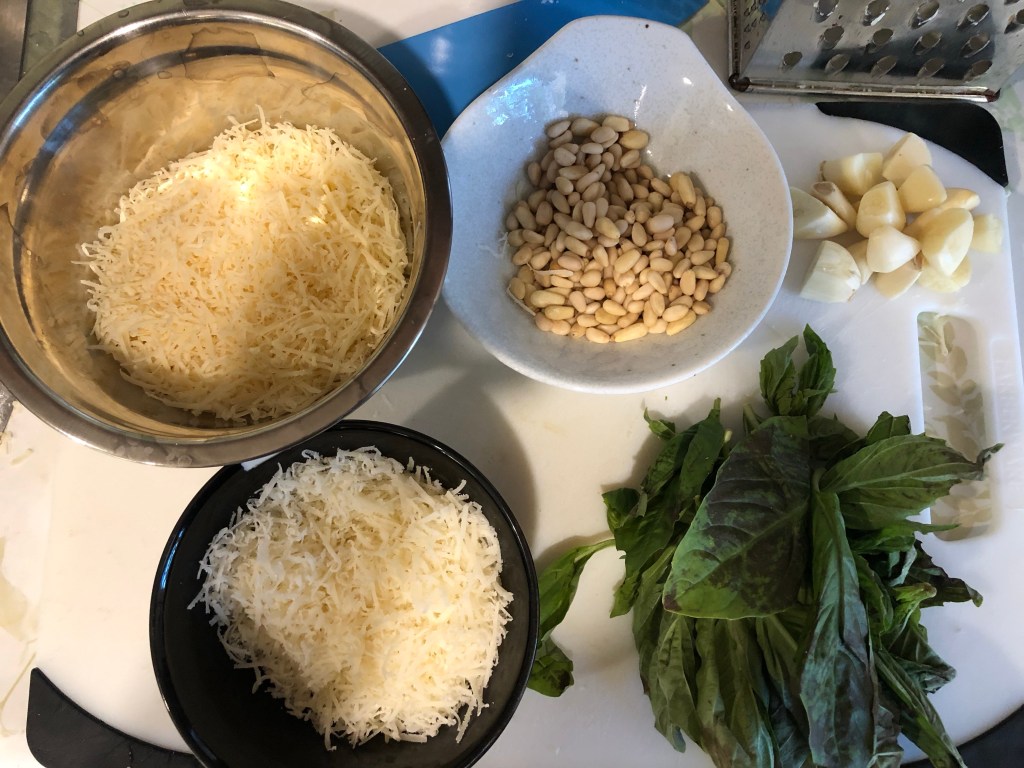

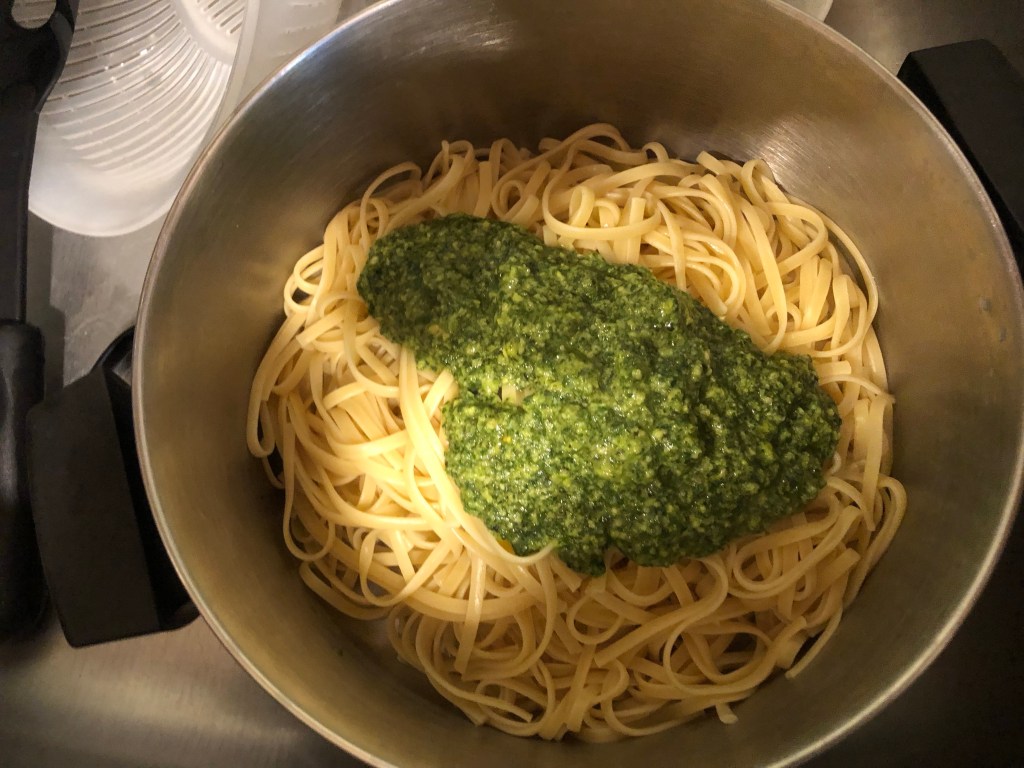


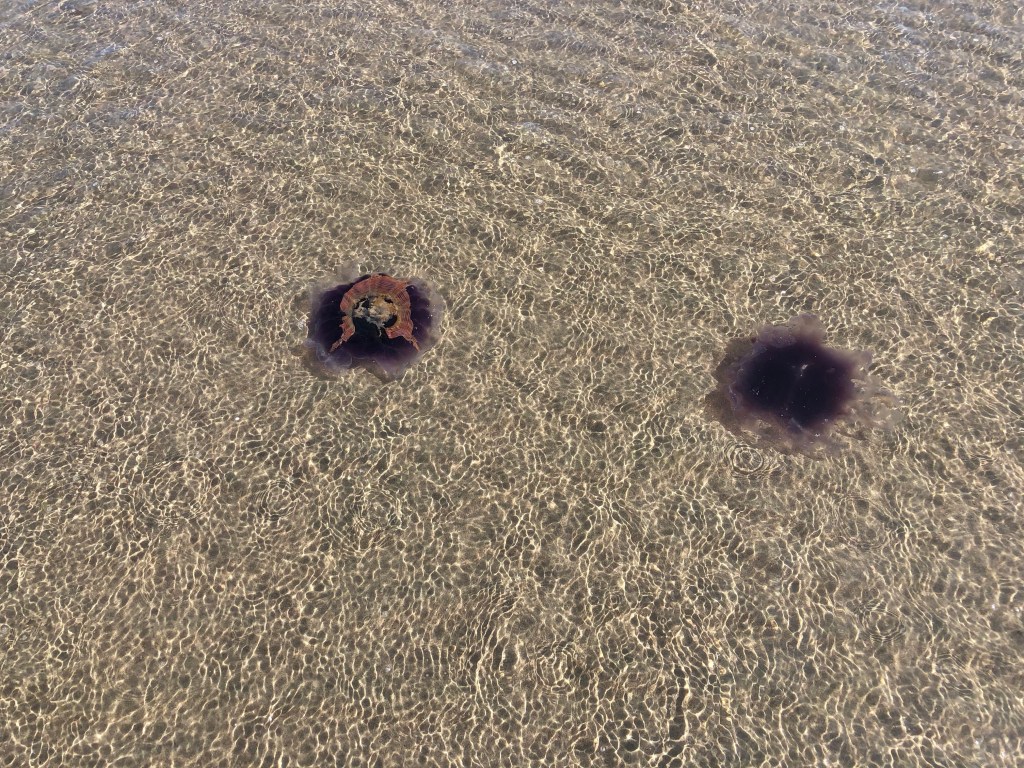





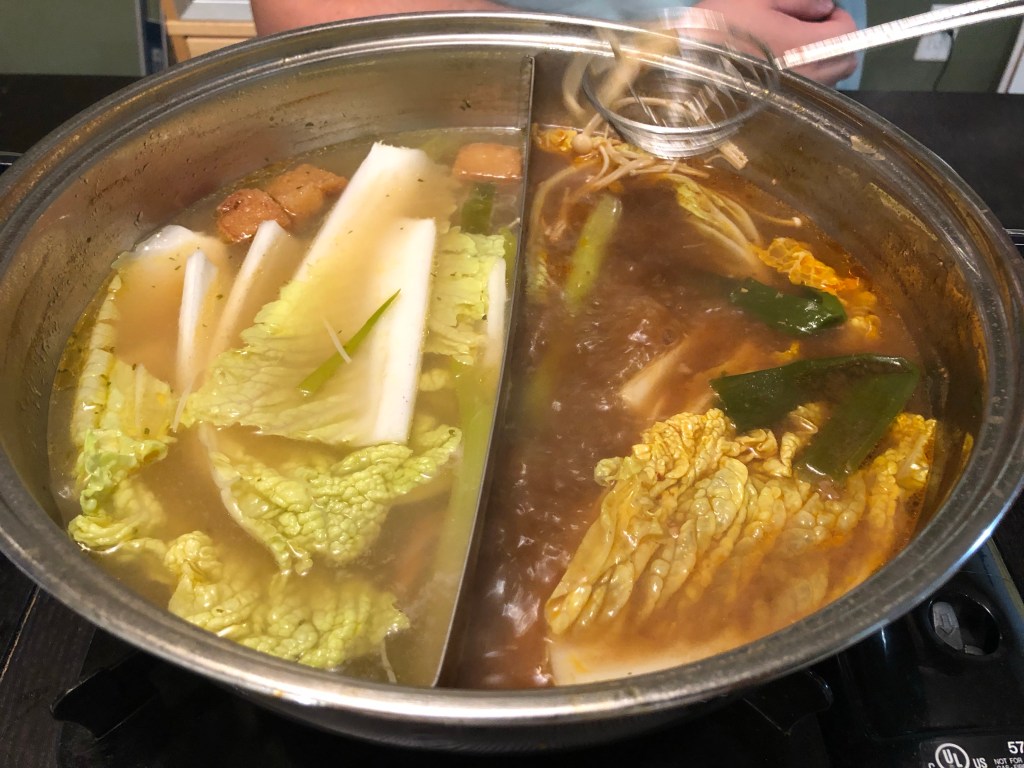


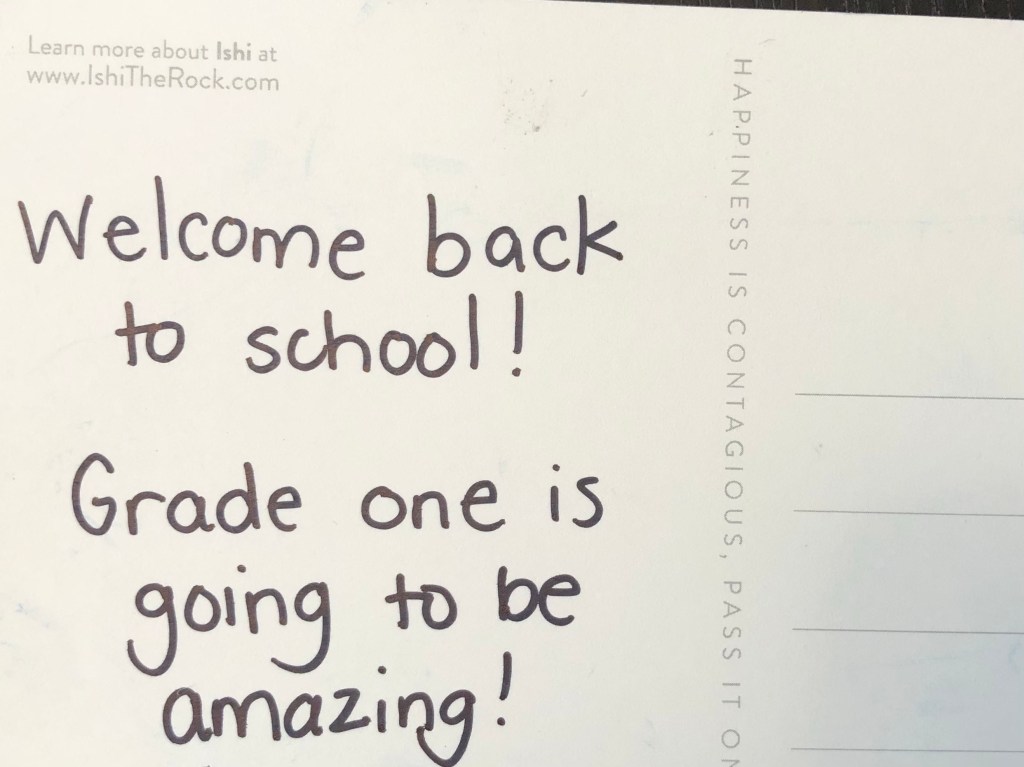

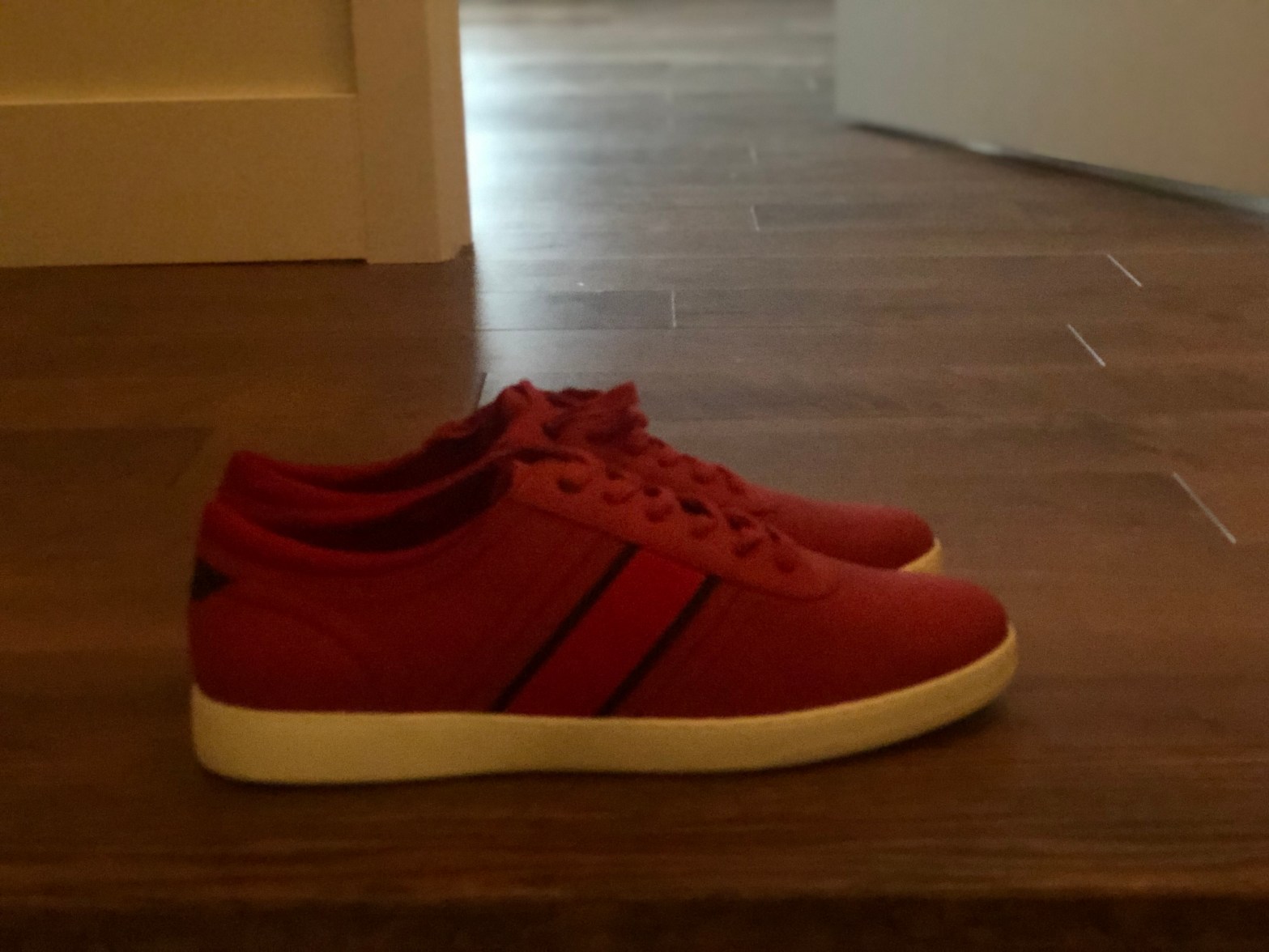


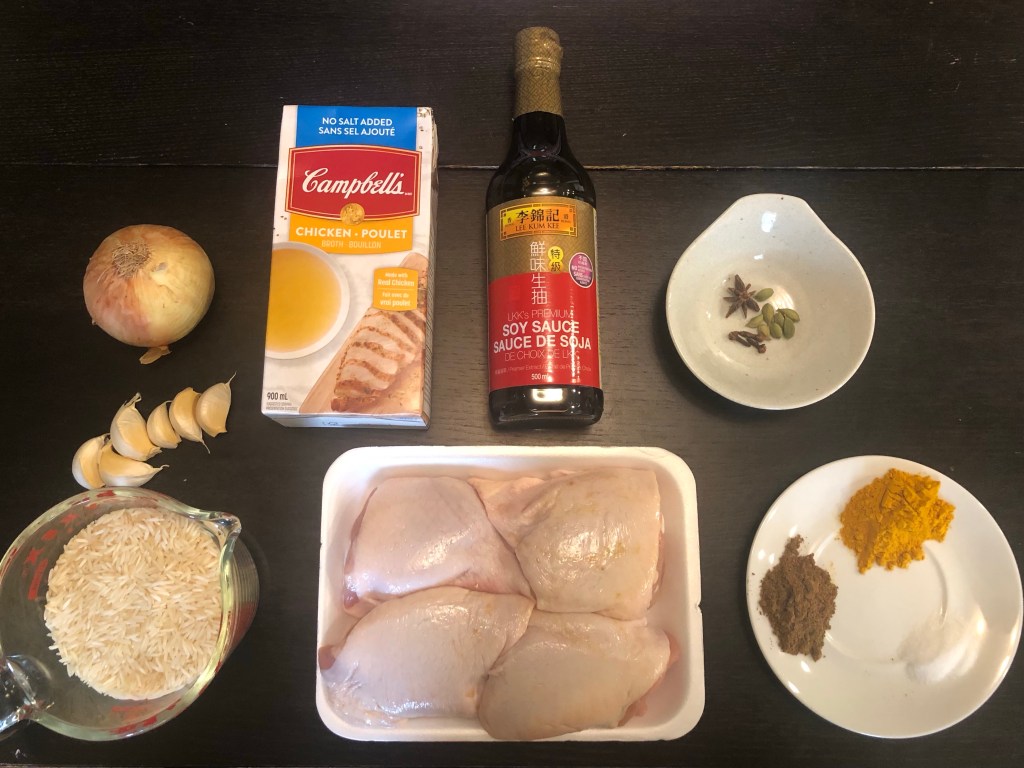
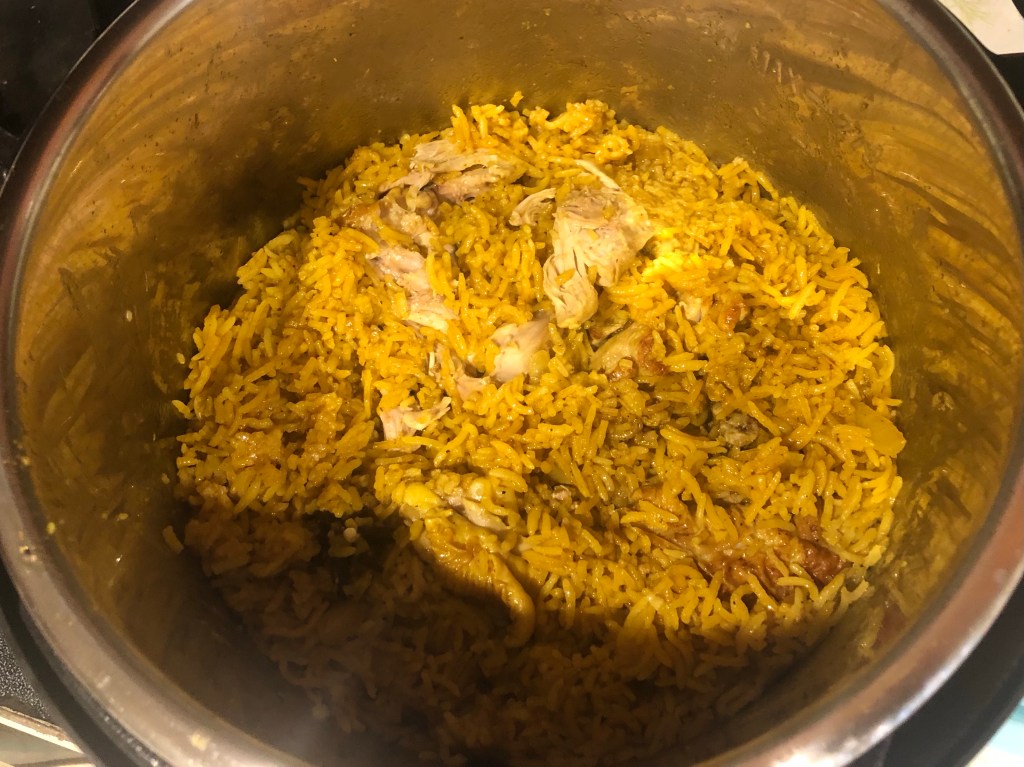
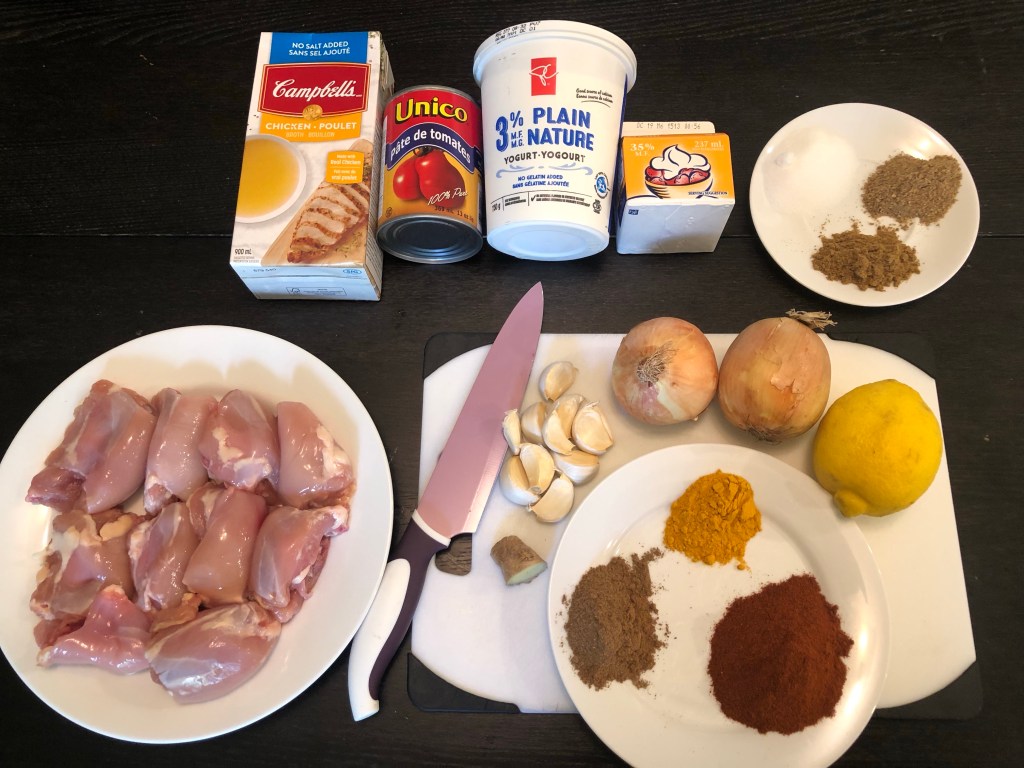


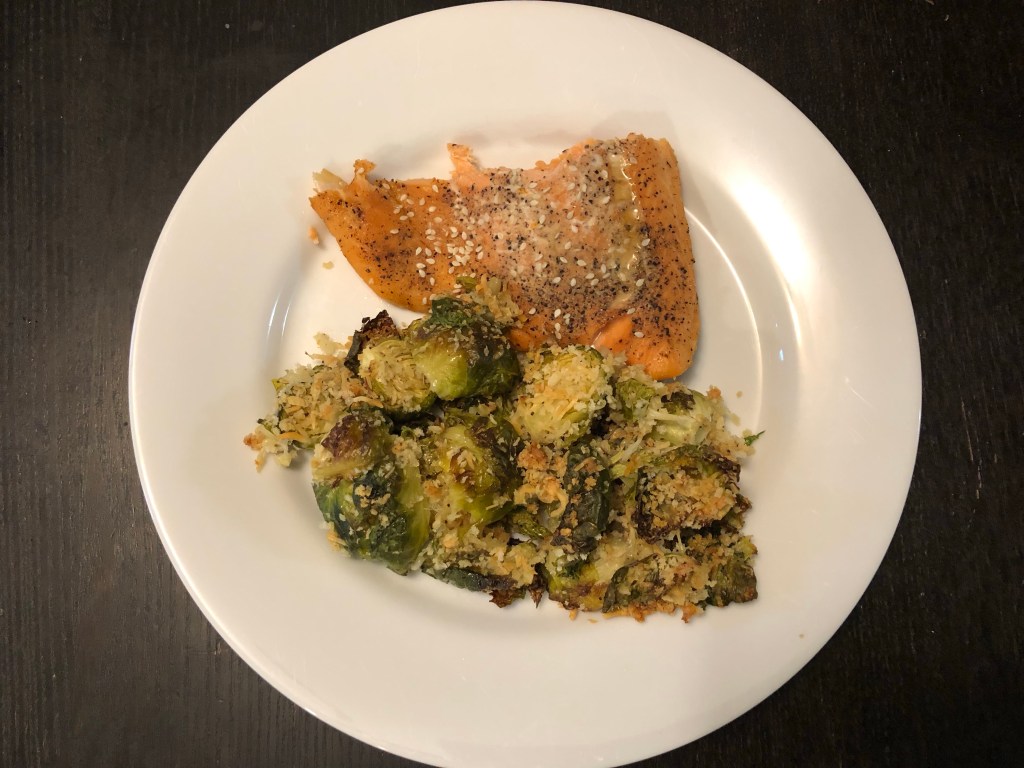
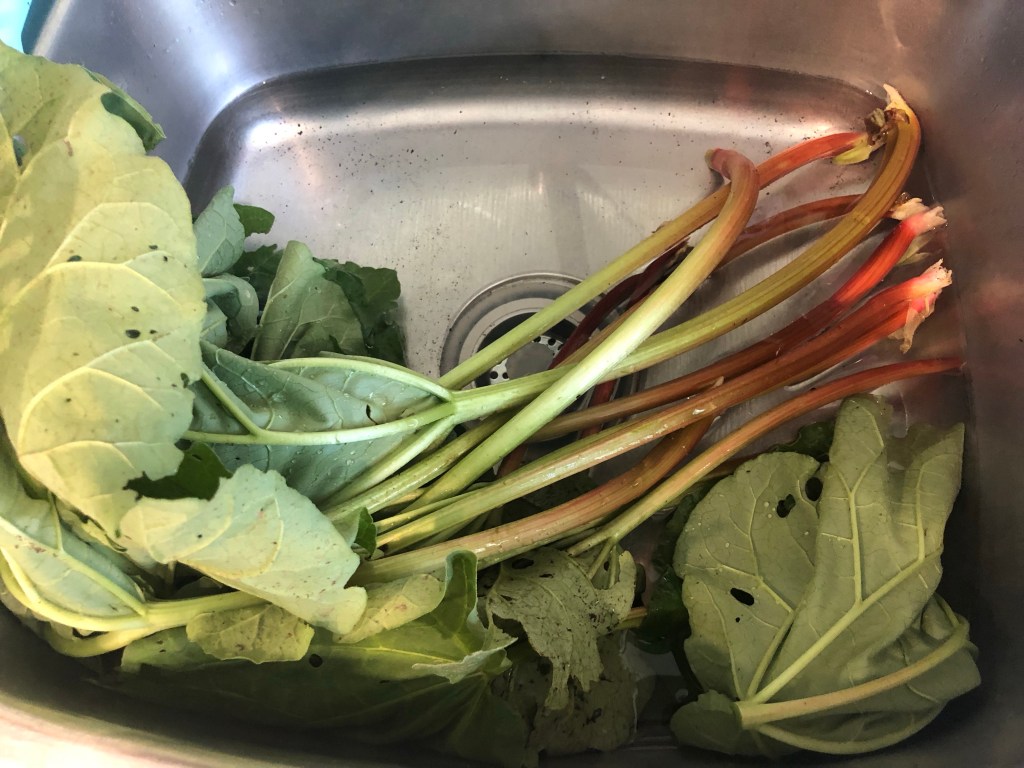
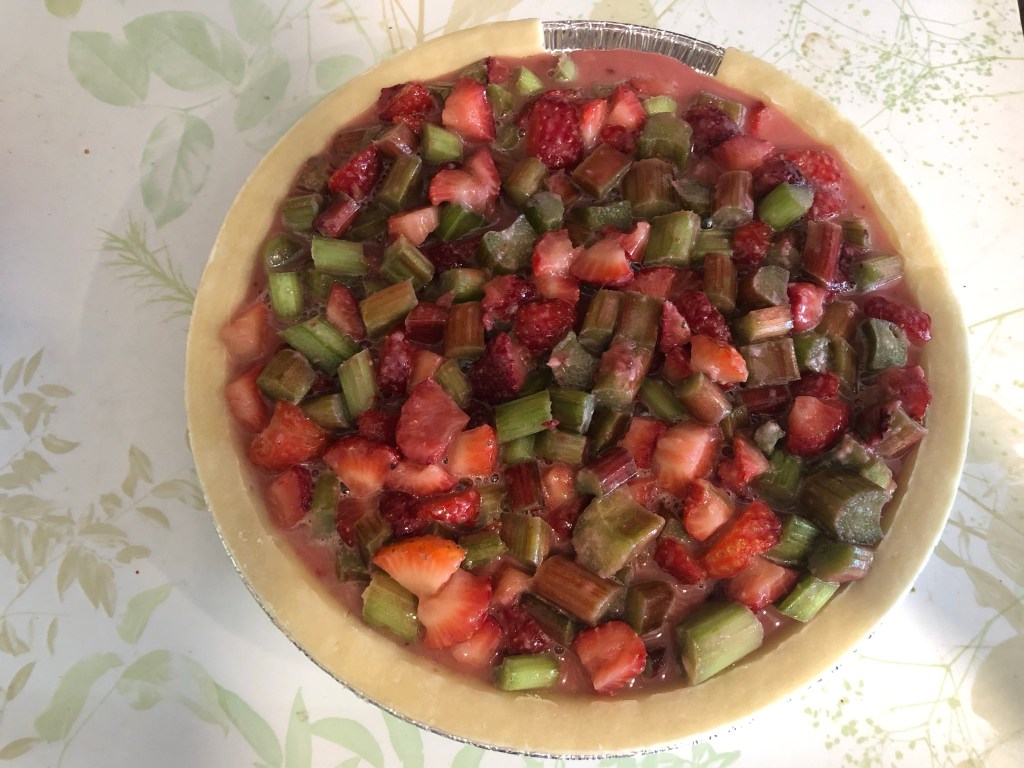

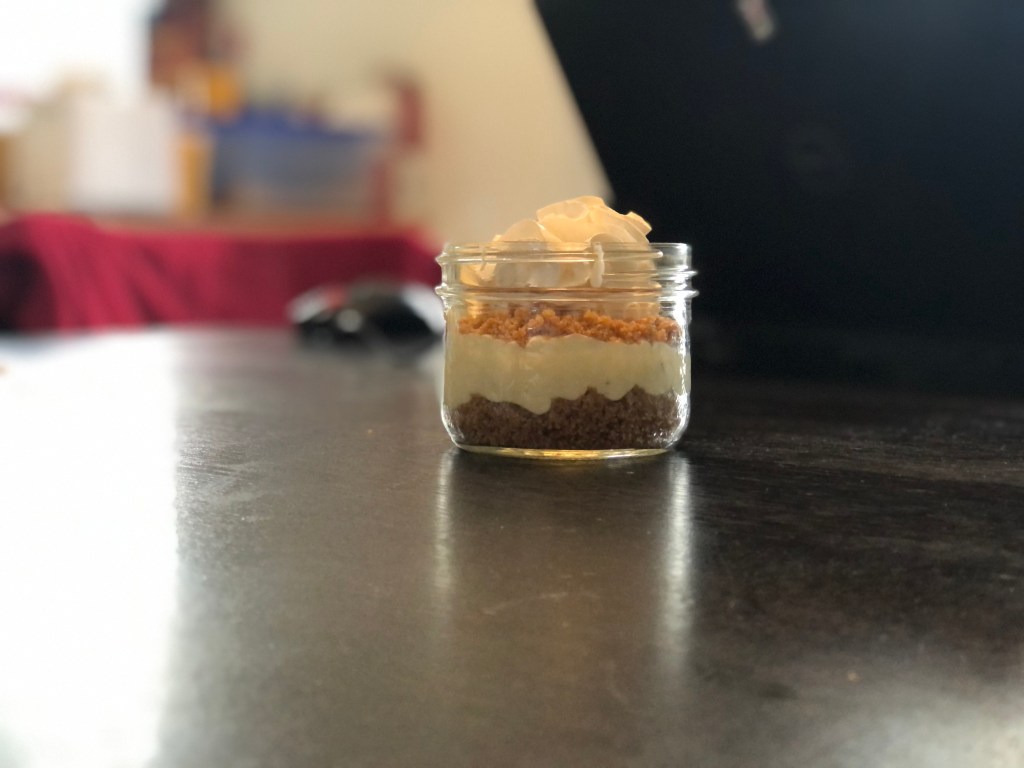


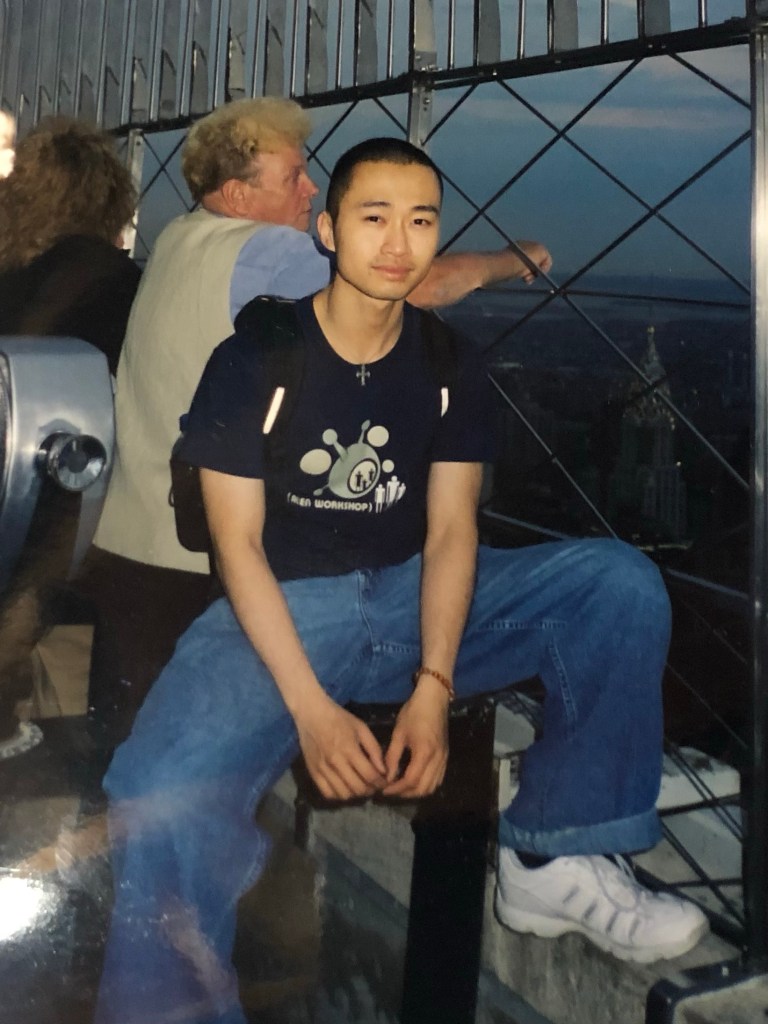
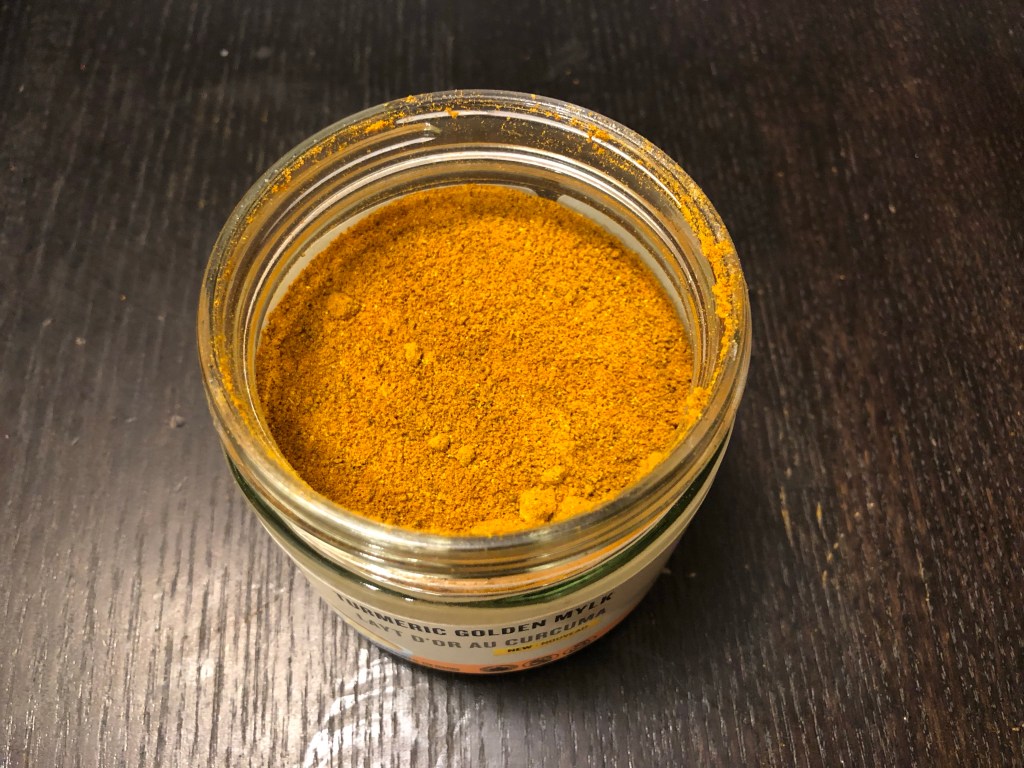

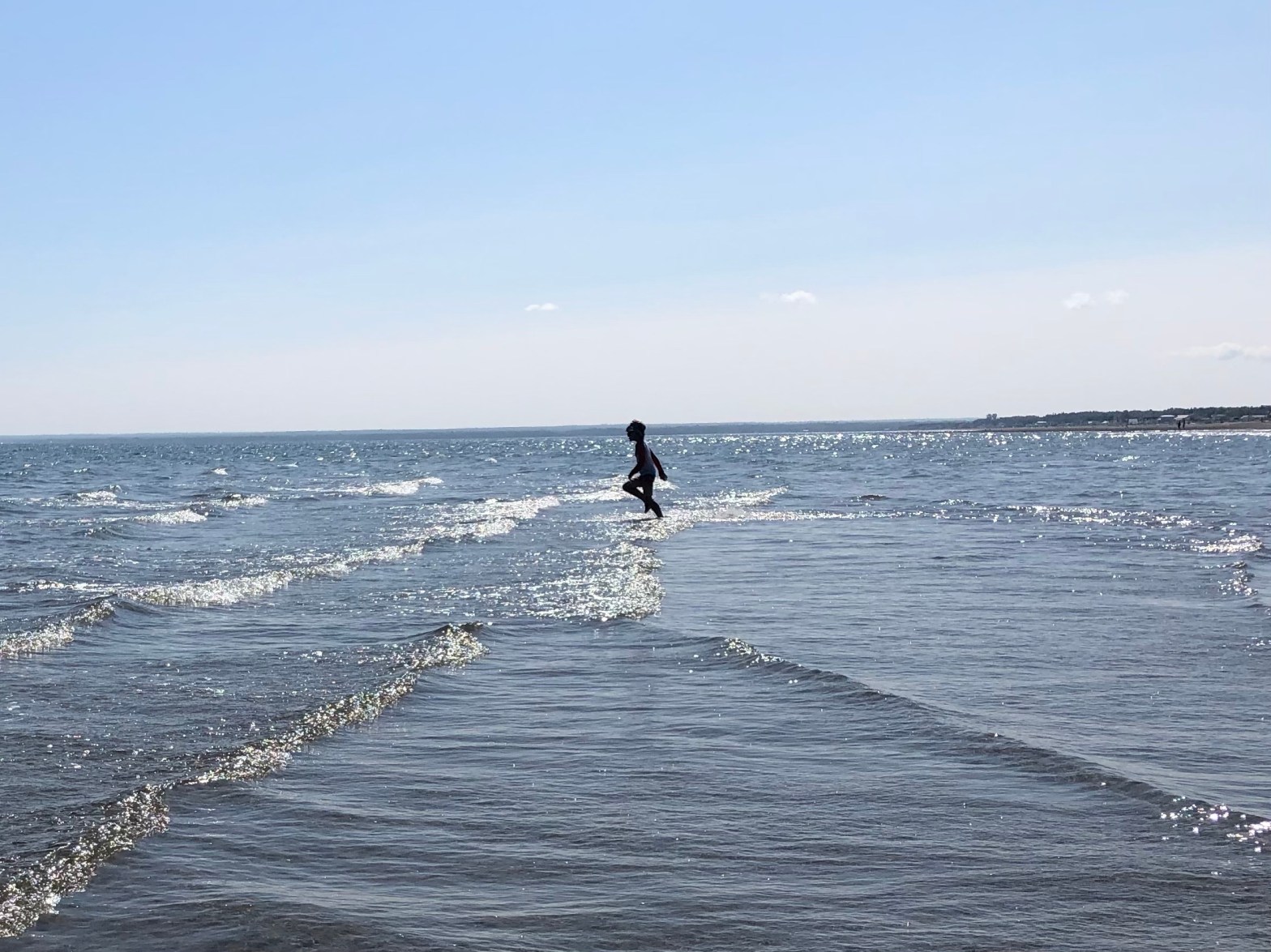

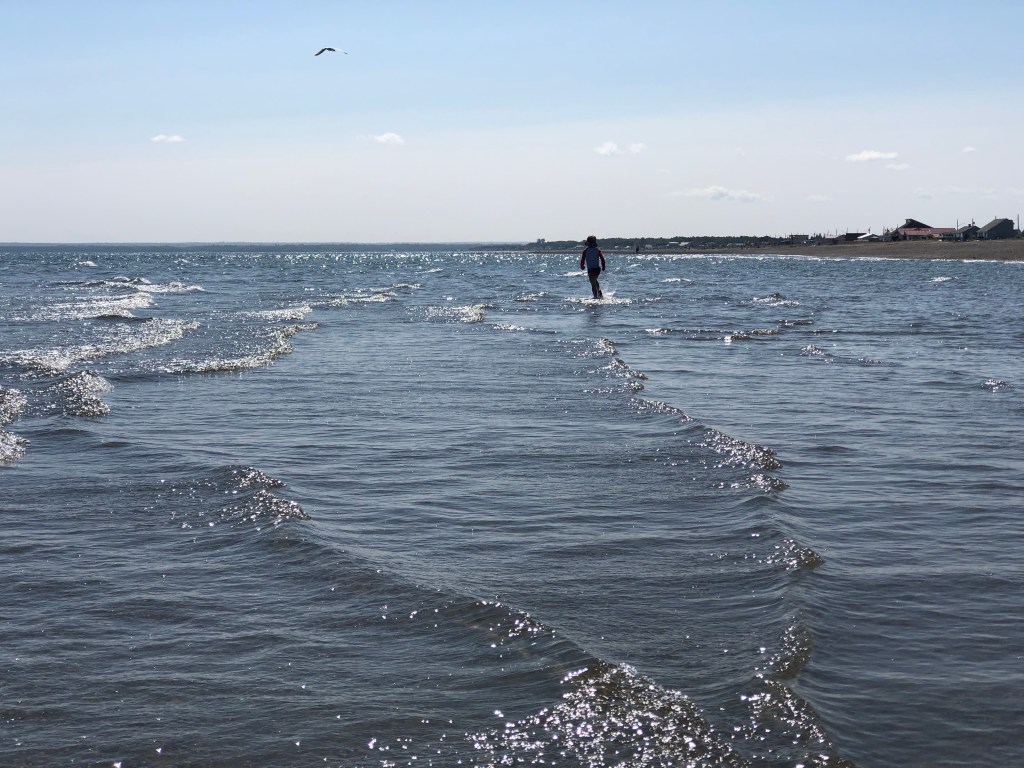


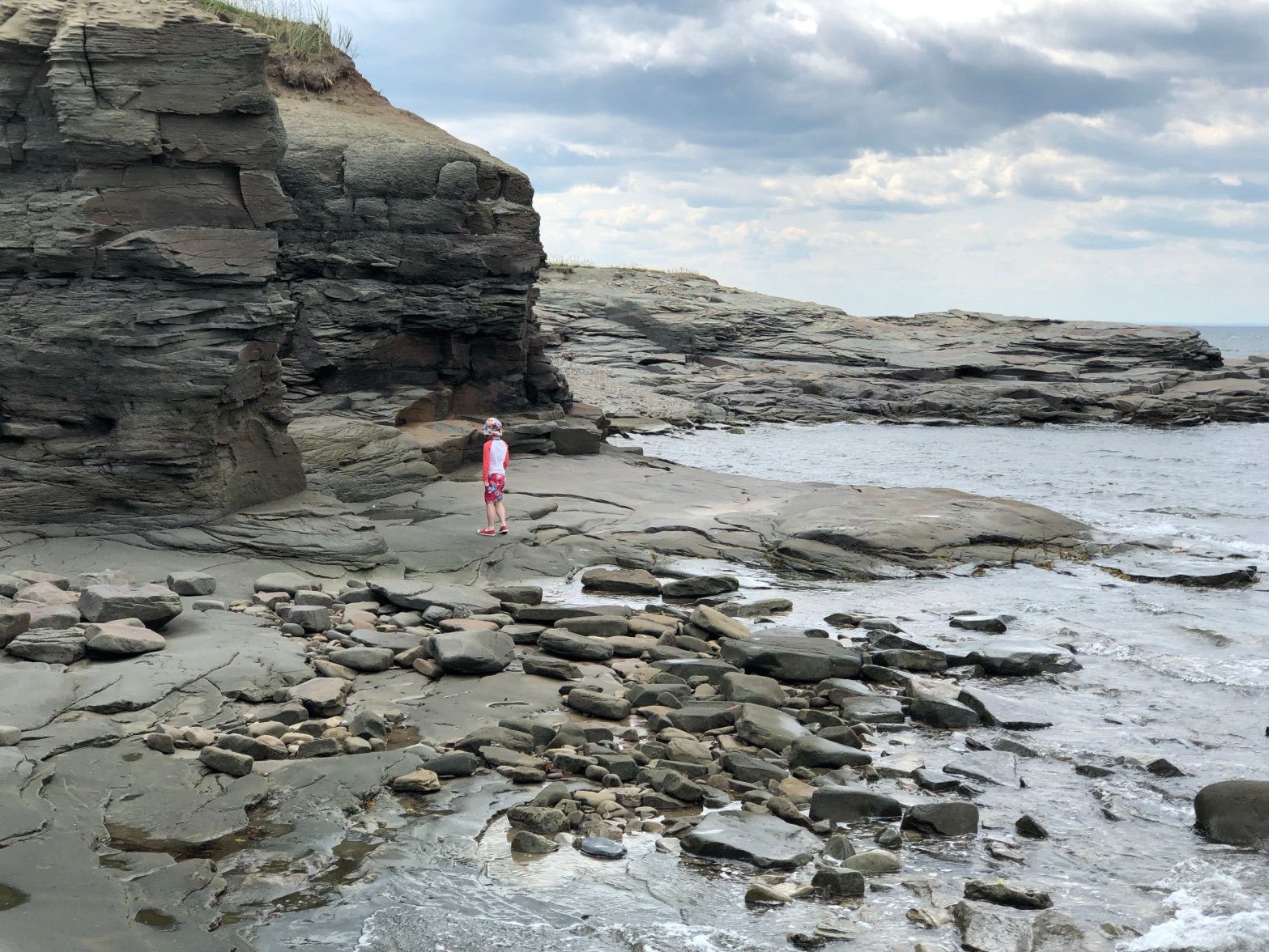

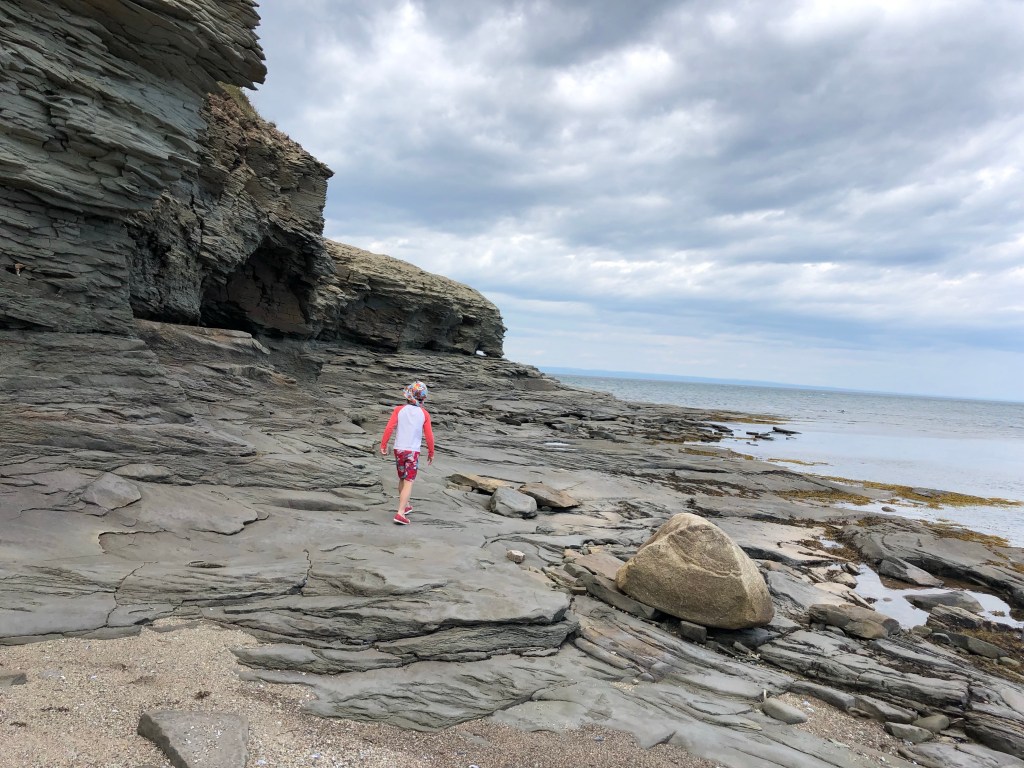


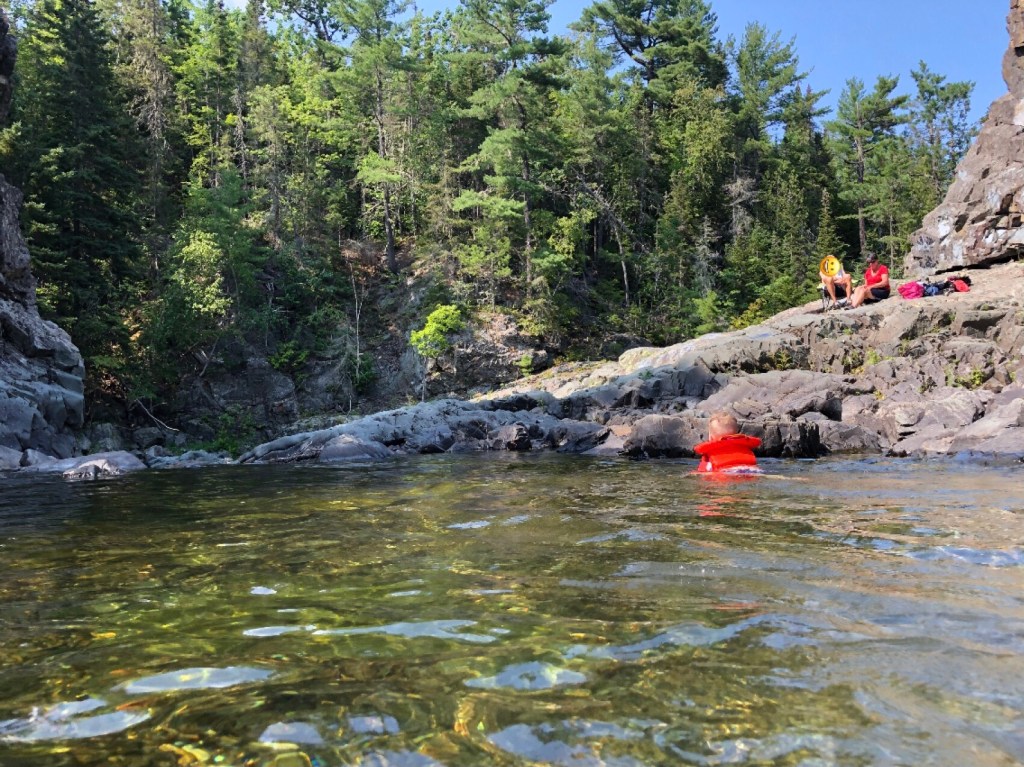






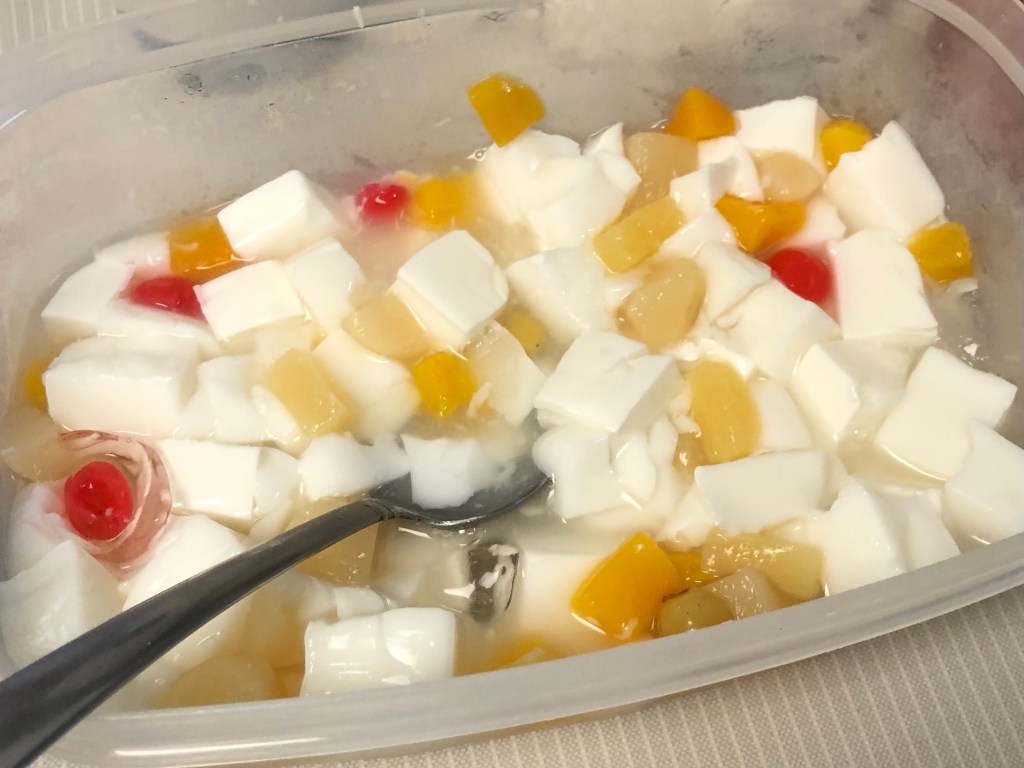

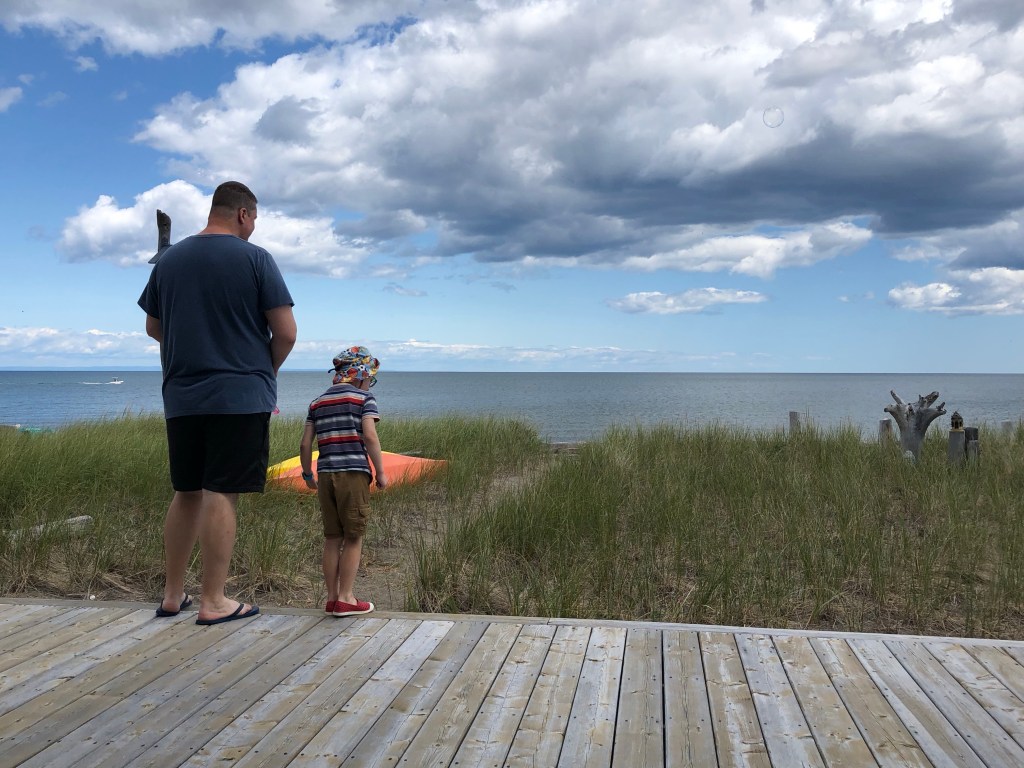
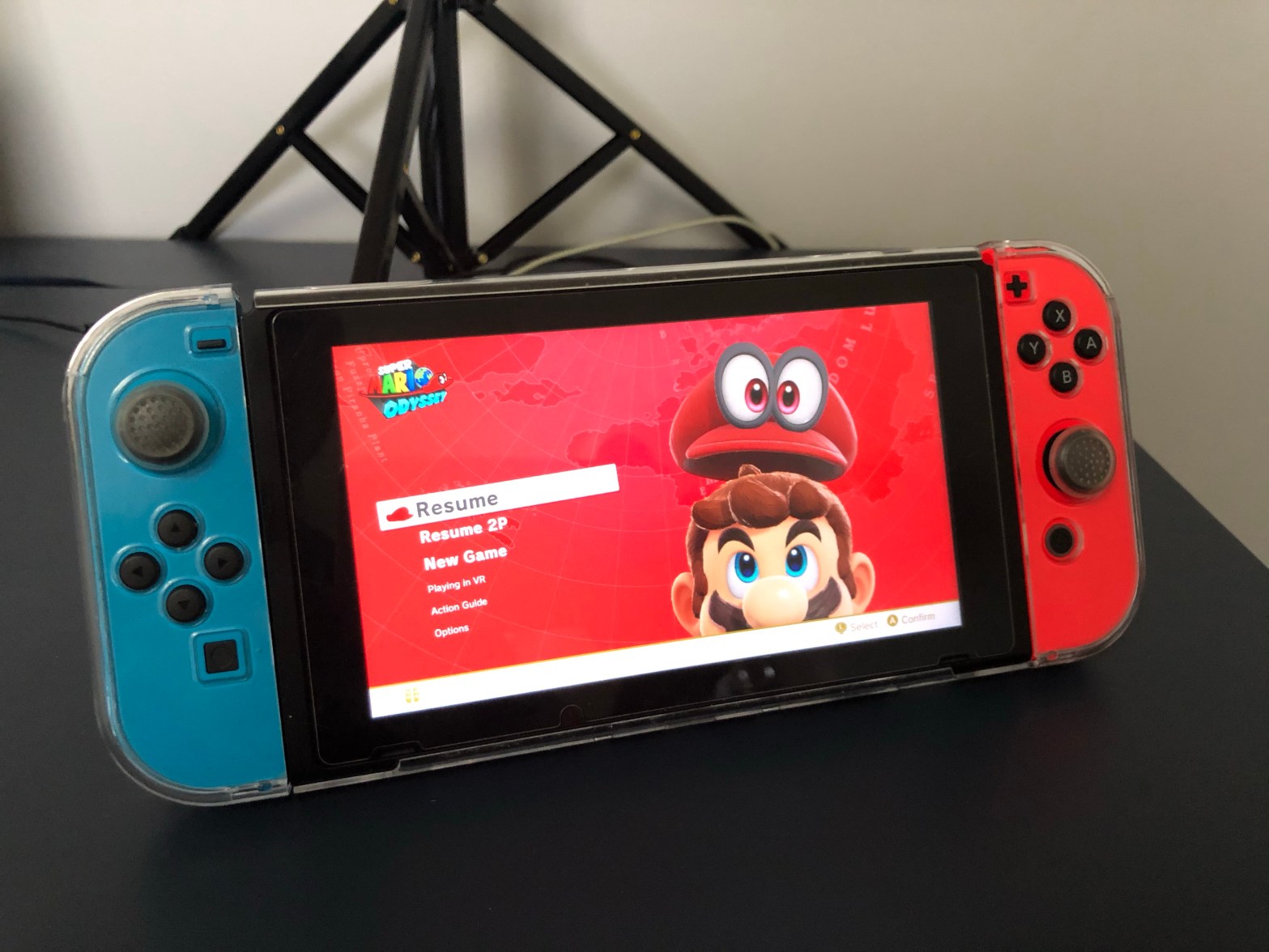


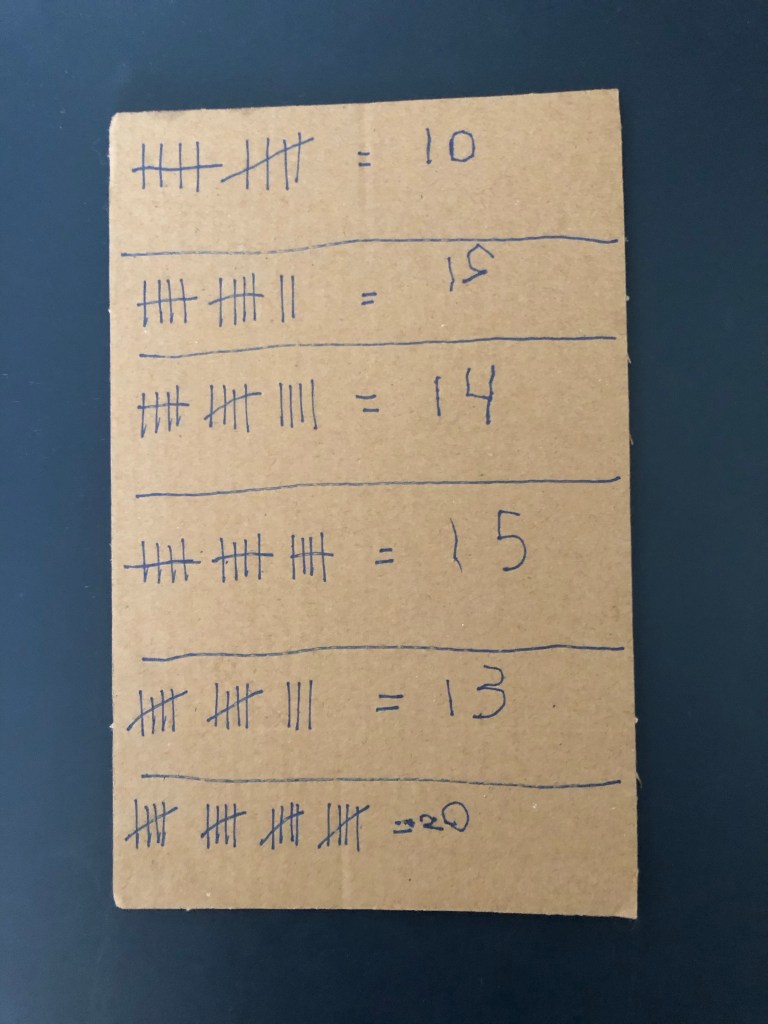




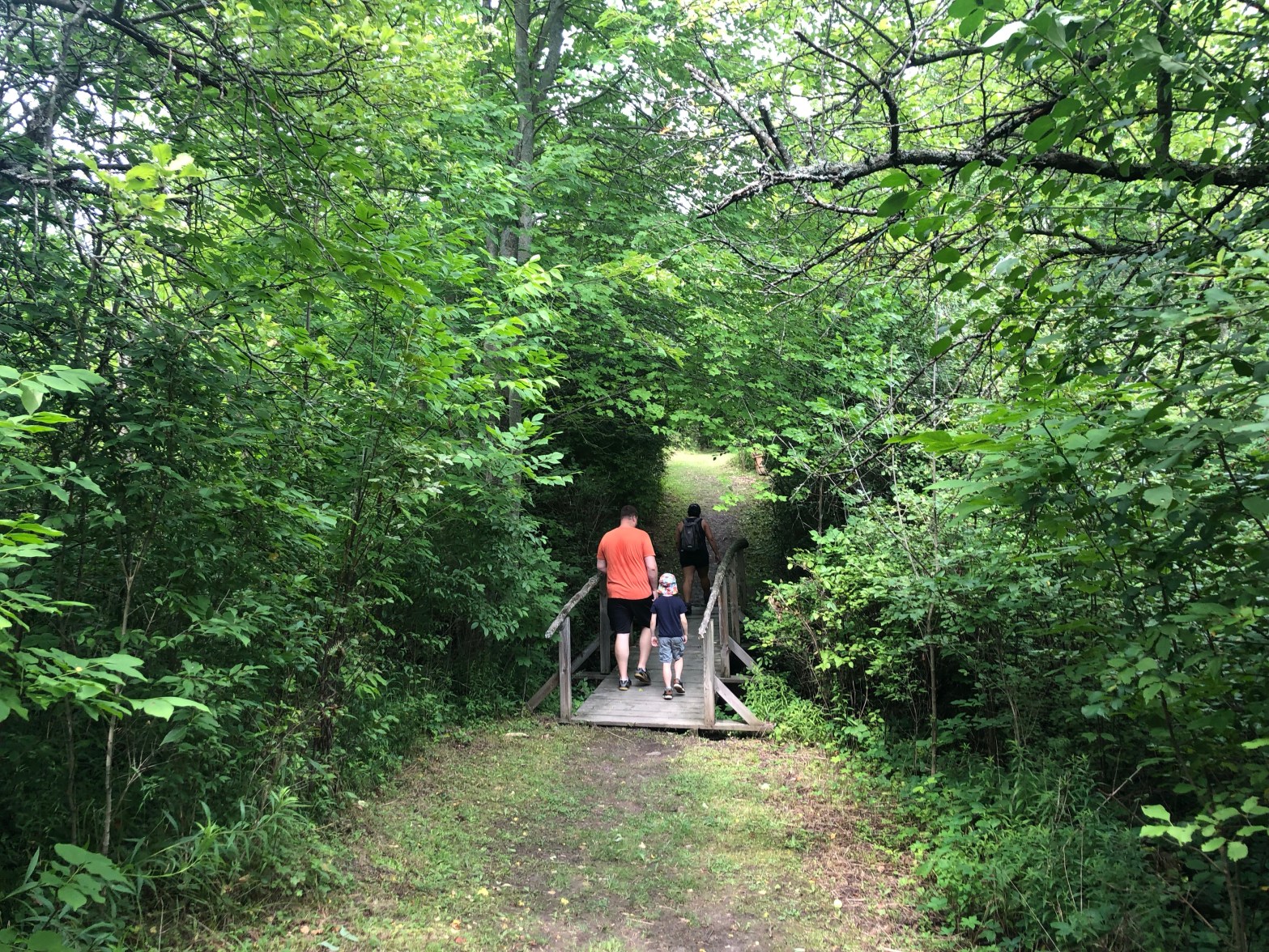
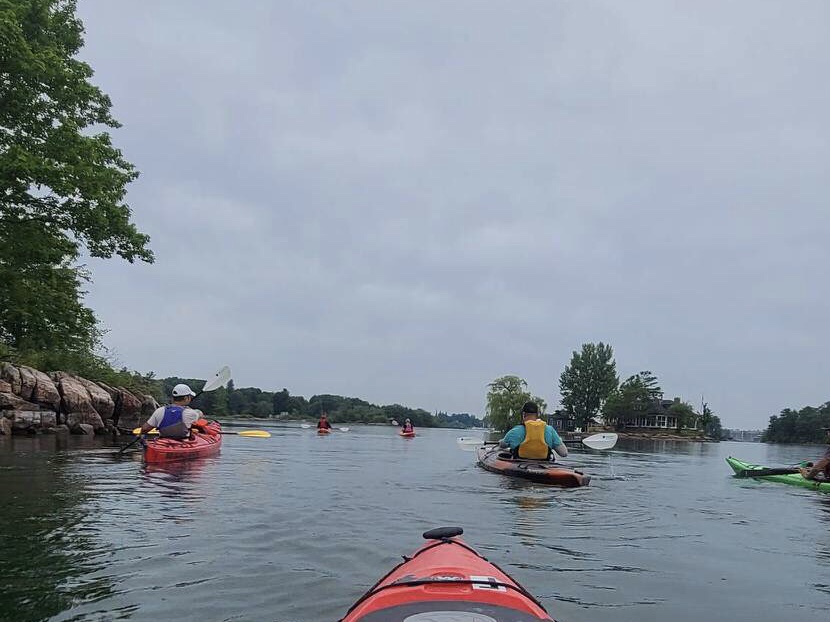


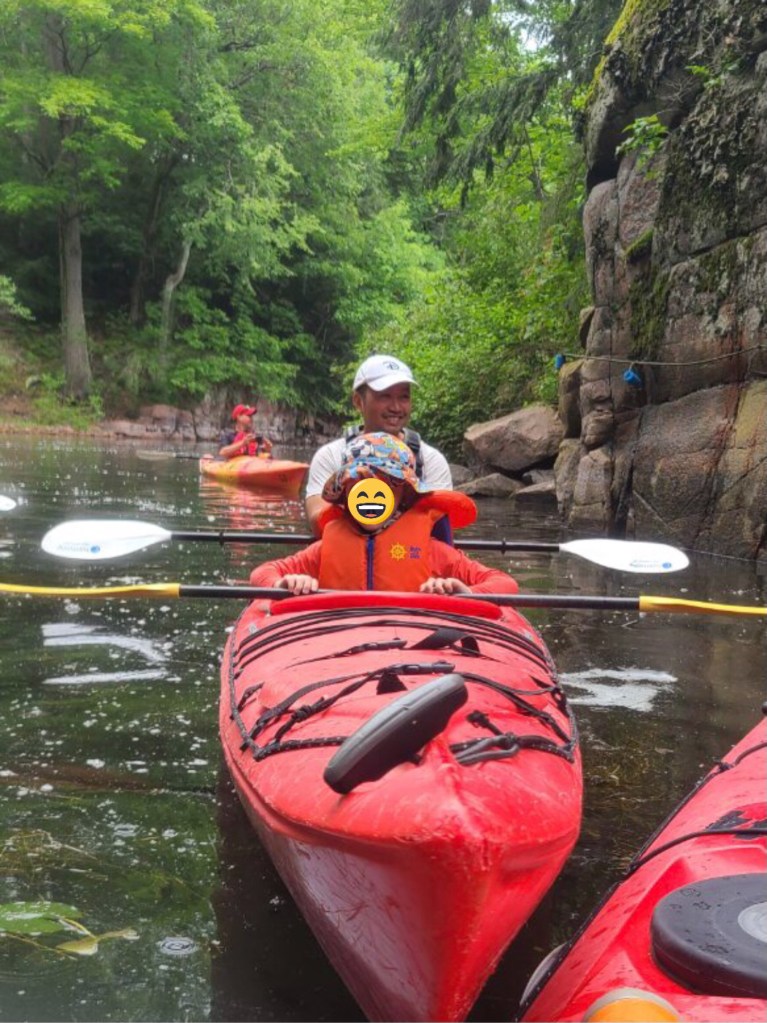

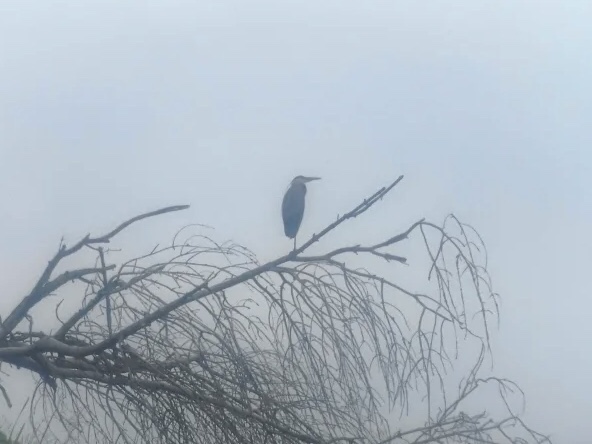
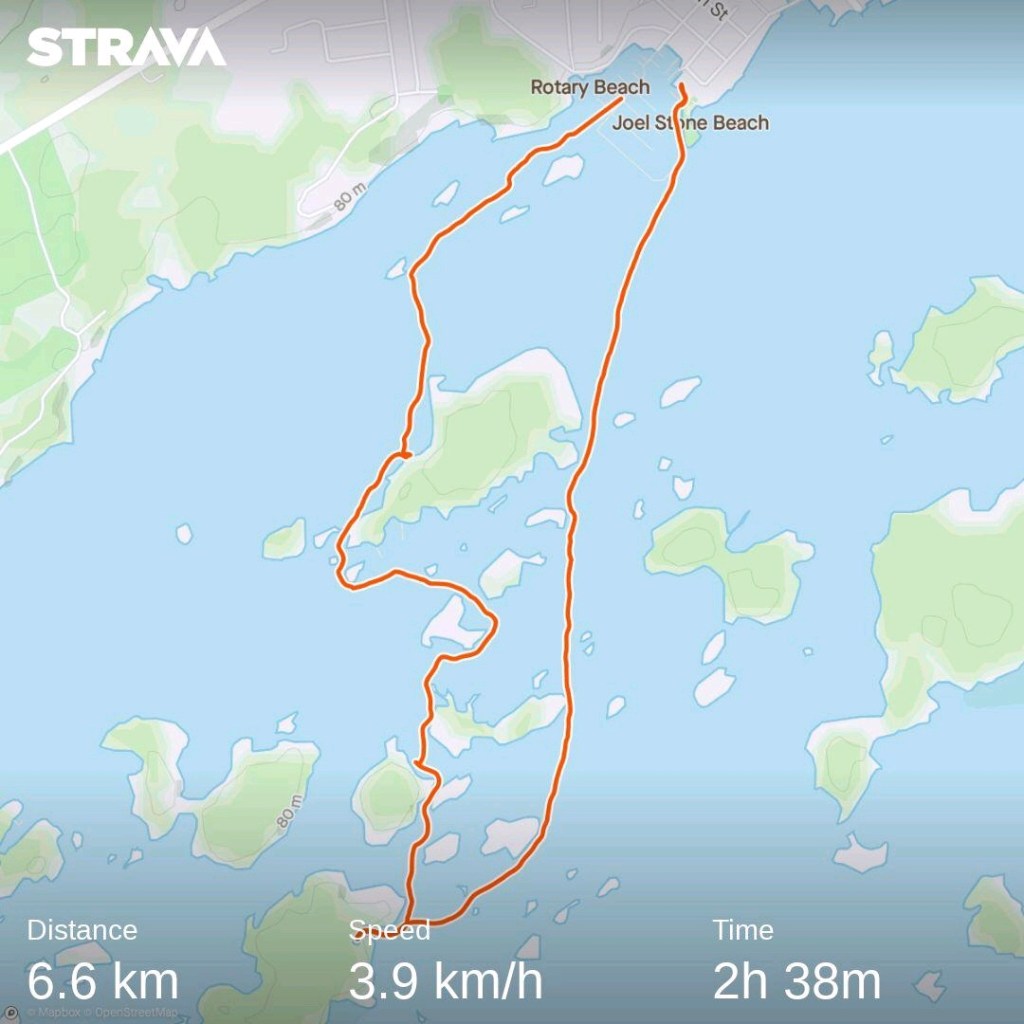


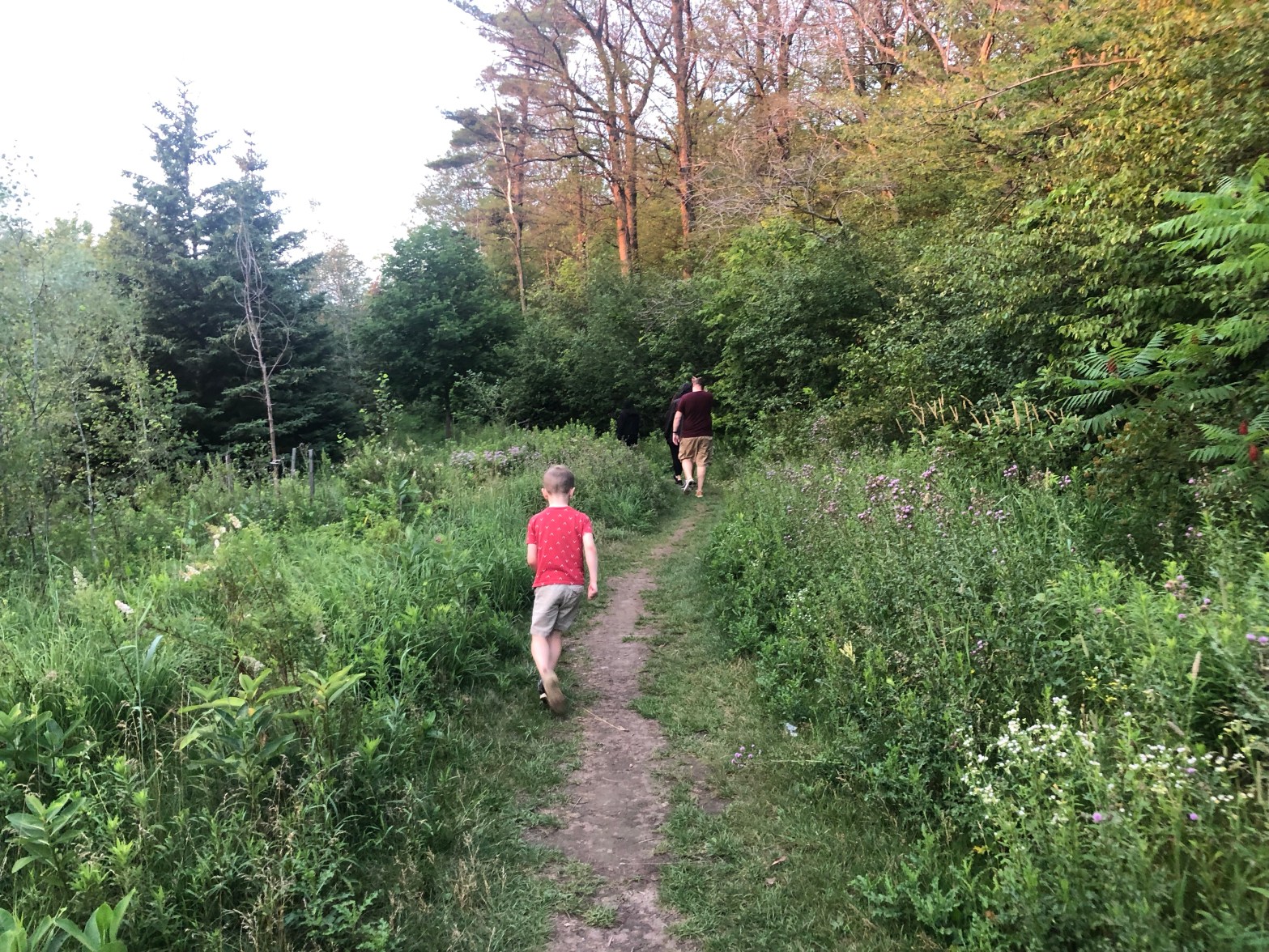
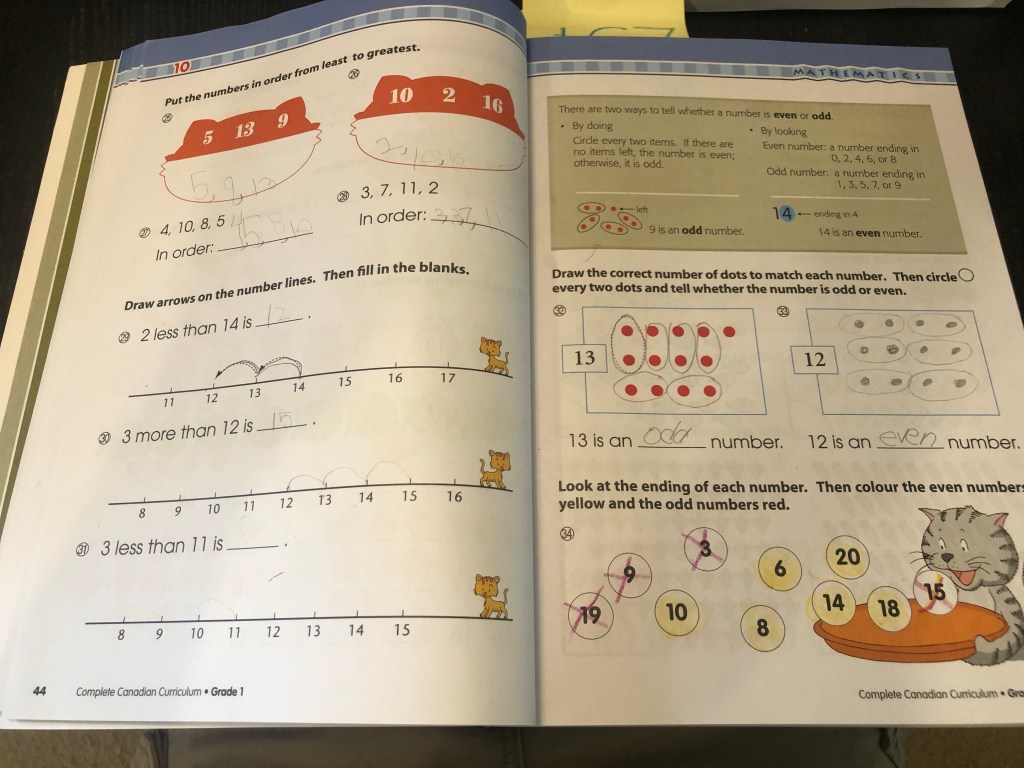
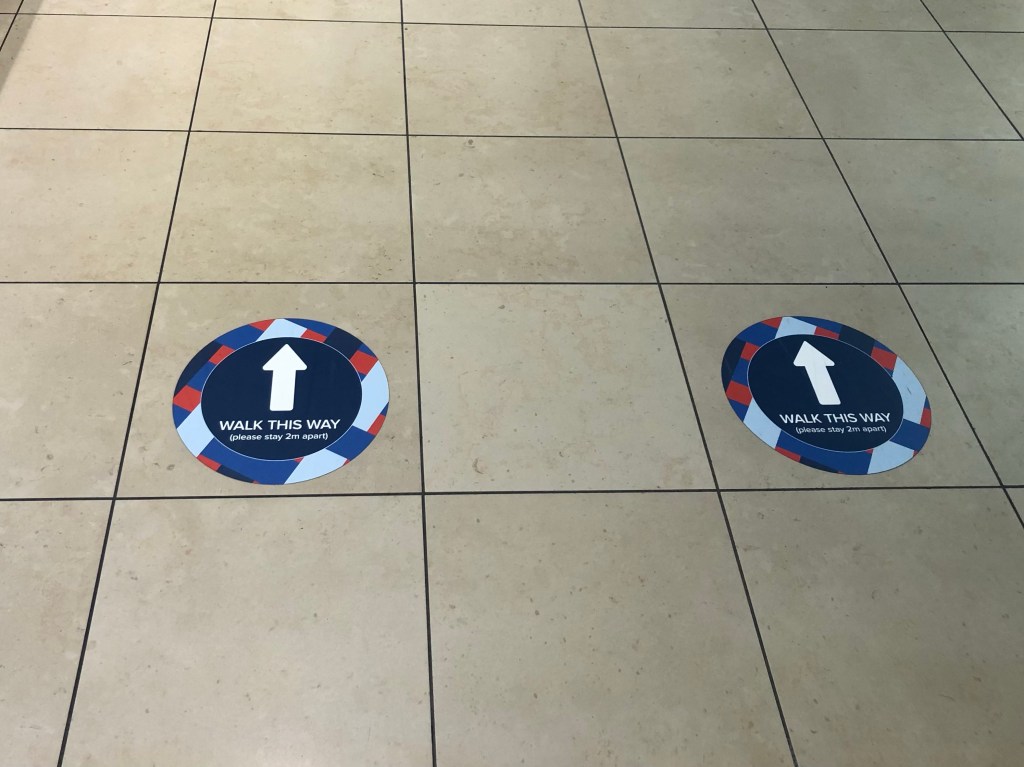
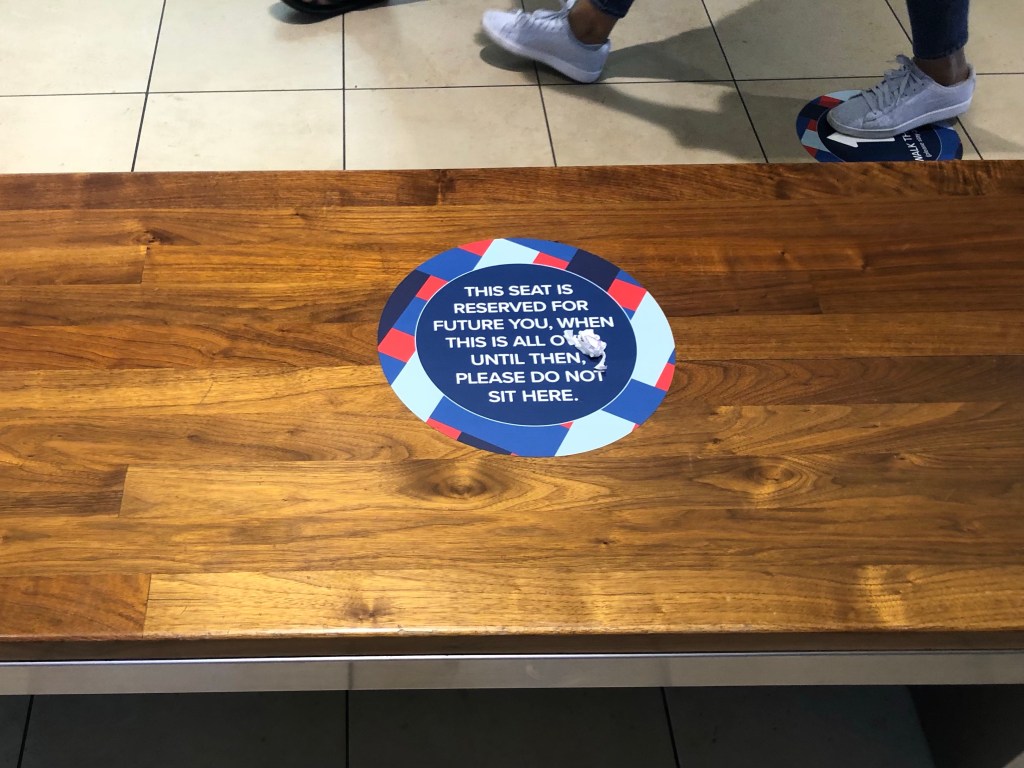
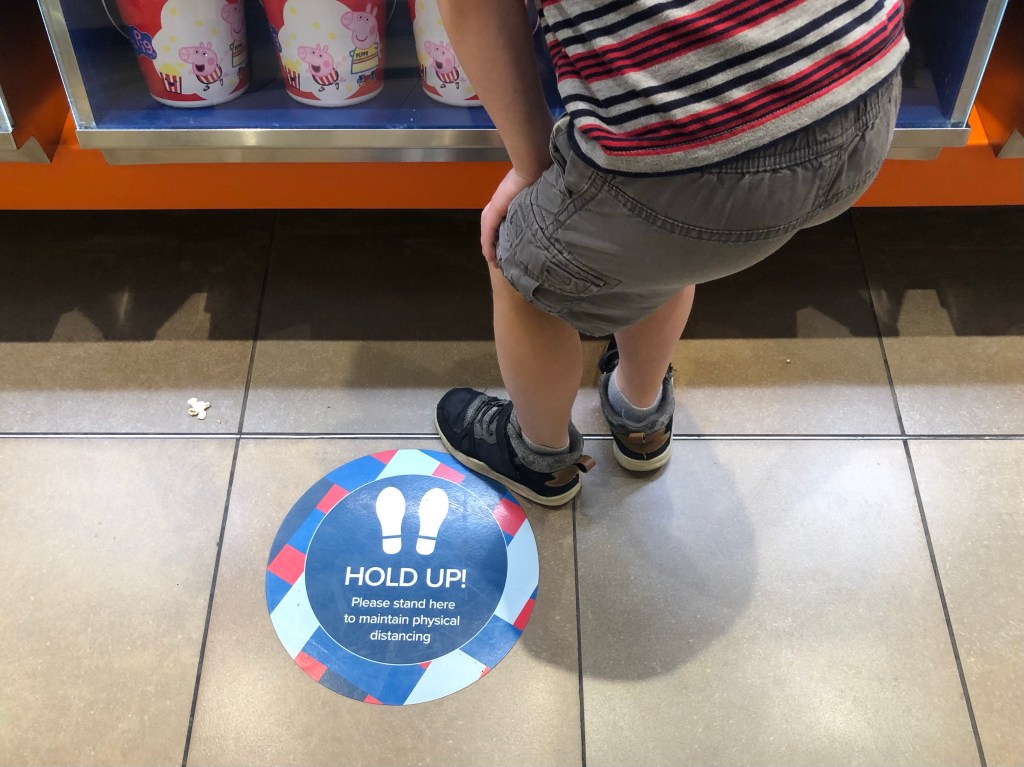


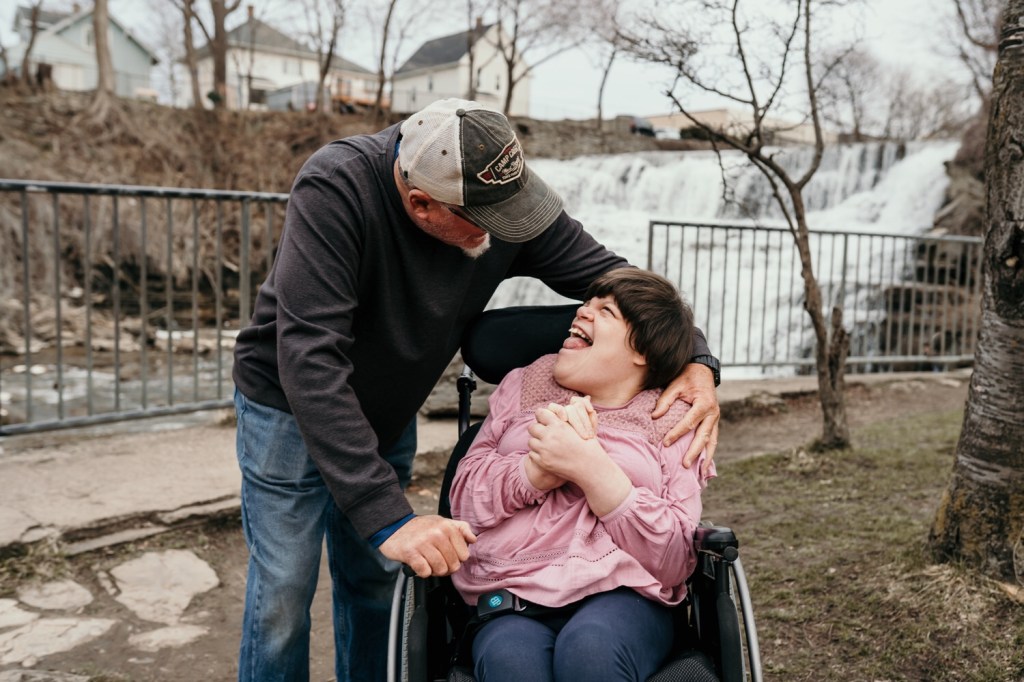
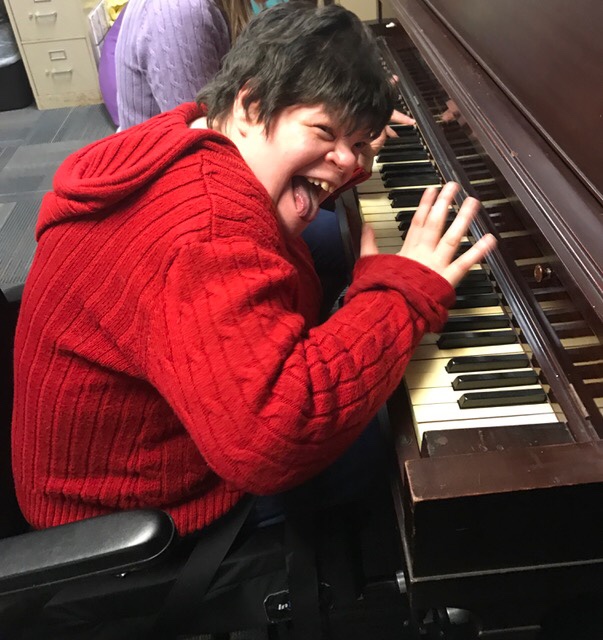
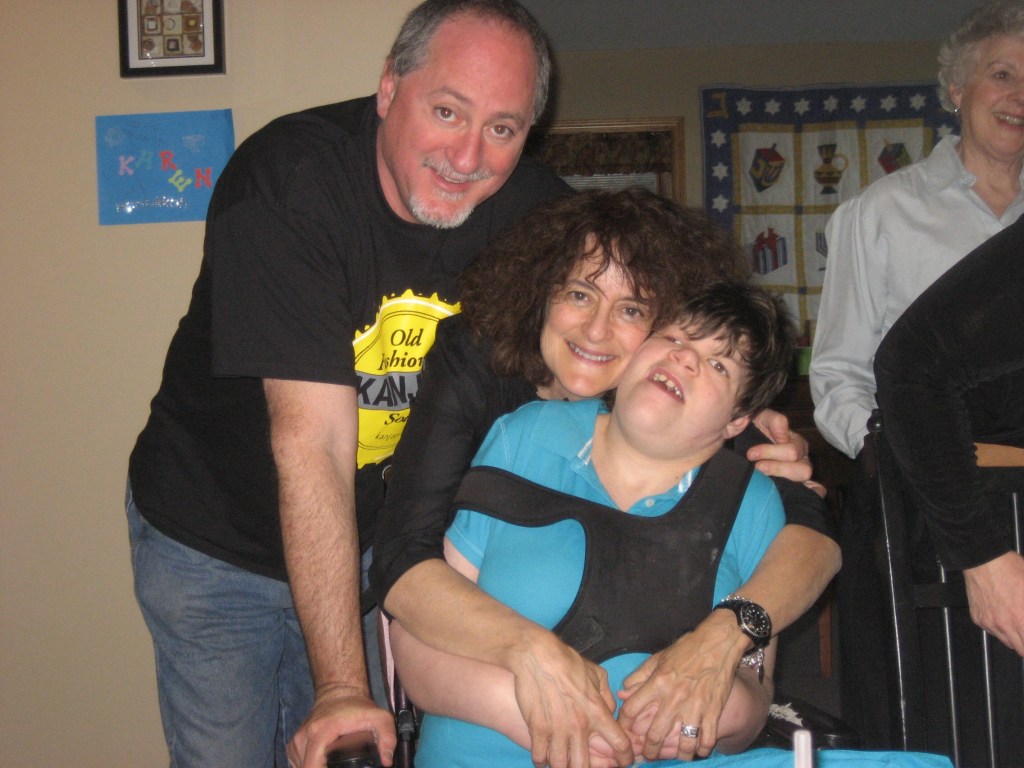
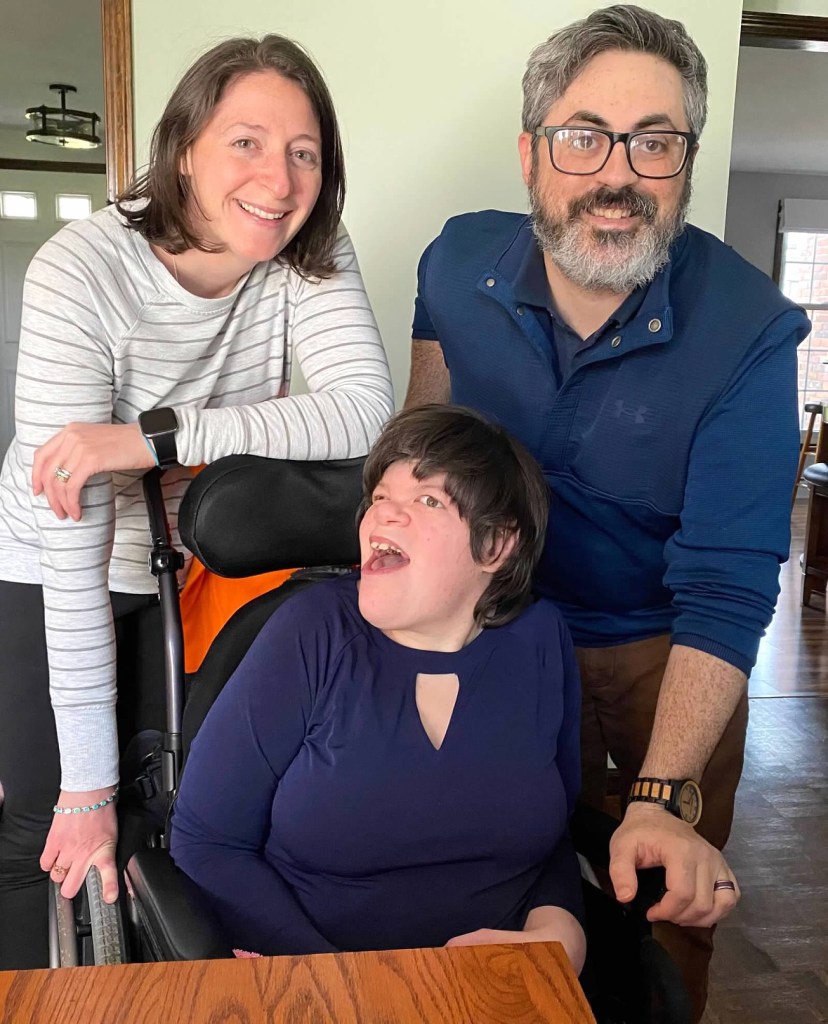
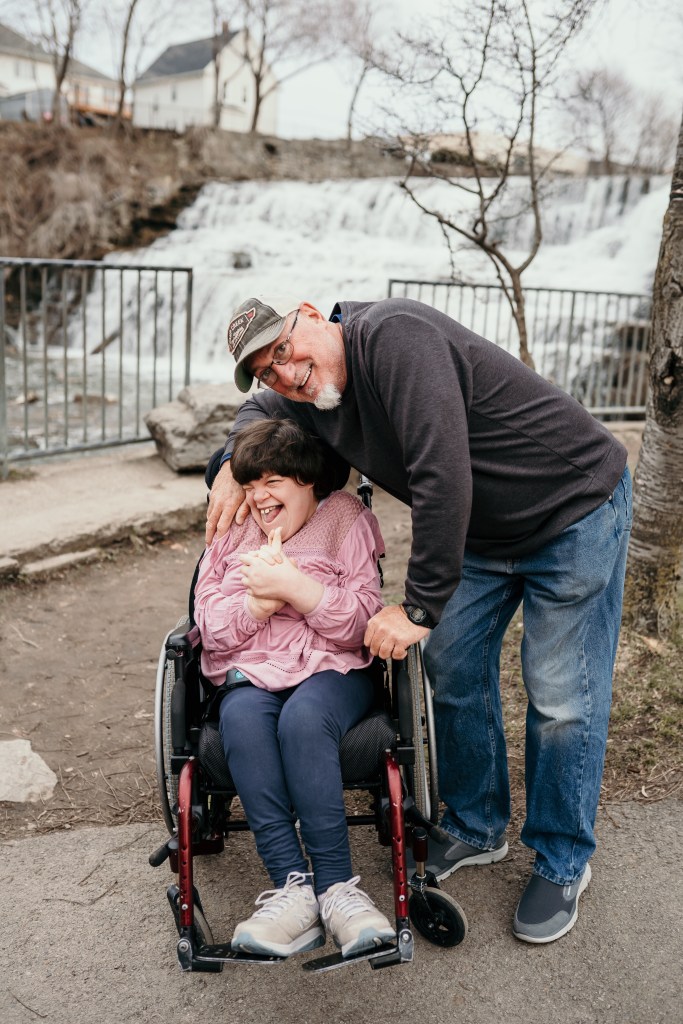
 My Life With T