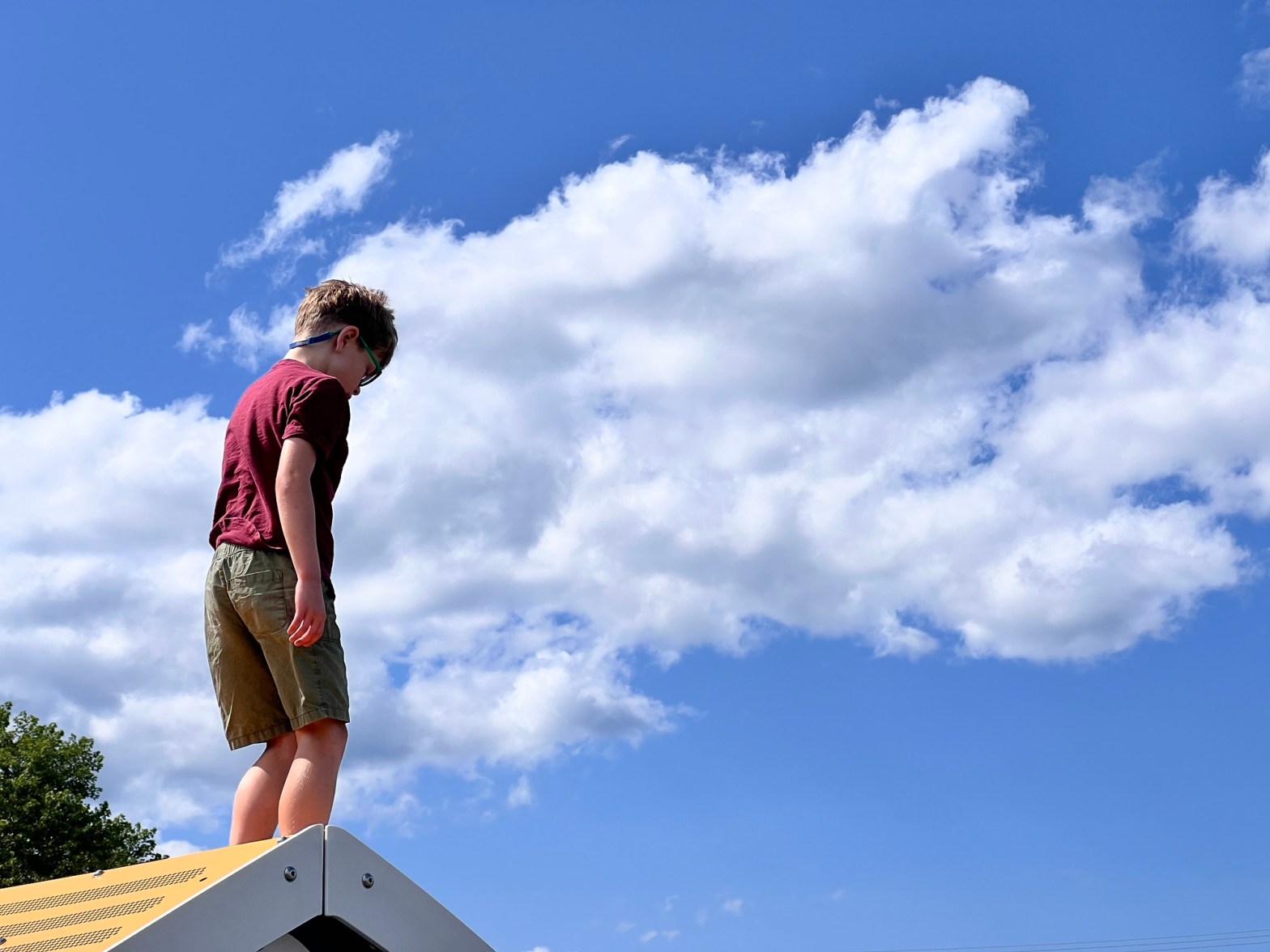

Our little guy is 10!
10, double digits, how is this possible?! It was just yesterday that he was learning to walk, we had just started potty training and I was counting with one hand the number of words he could say.
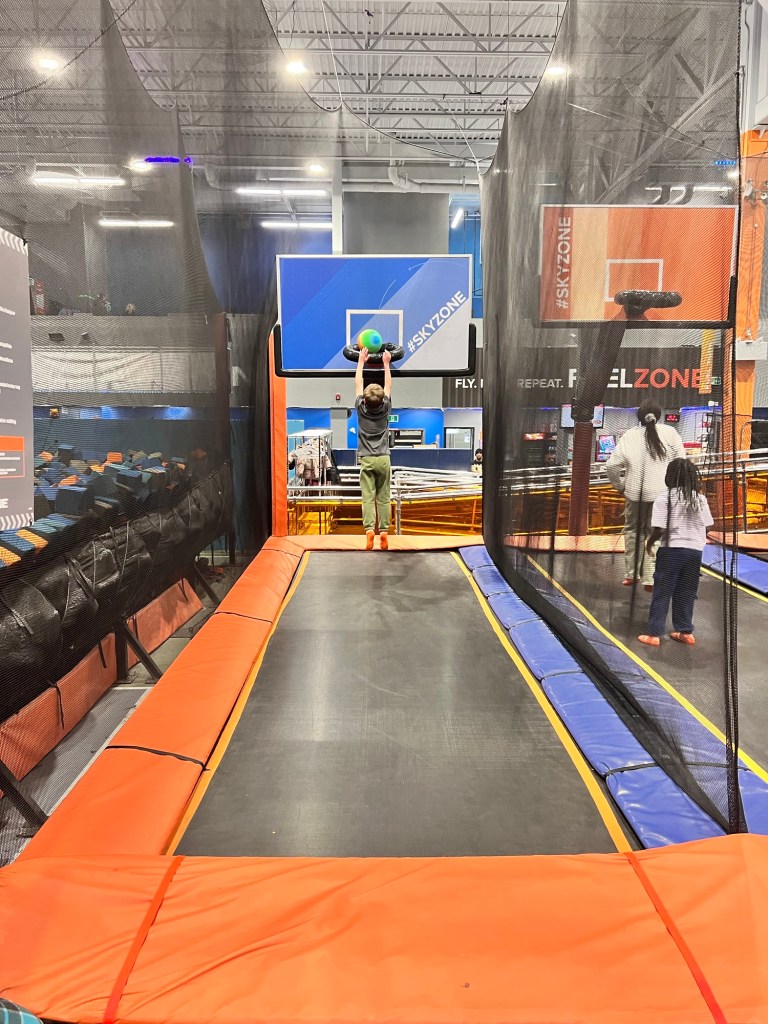
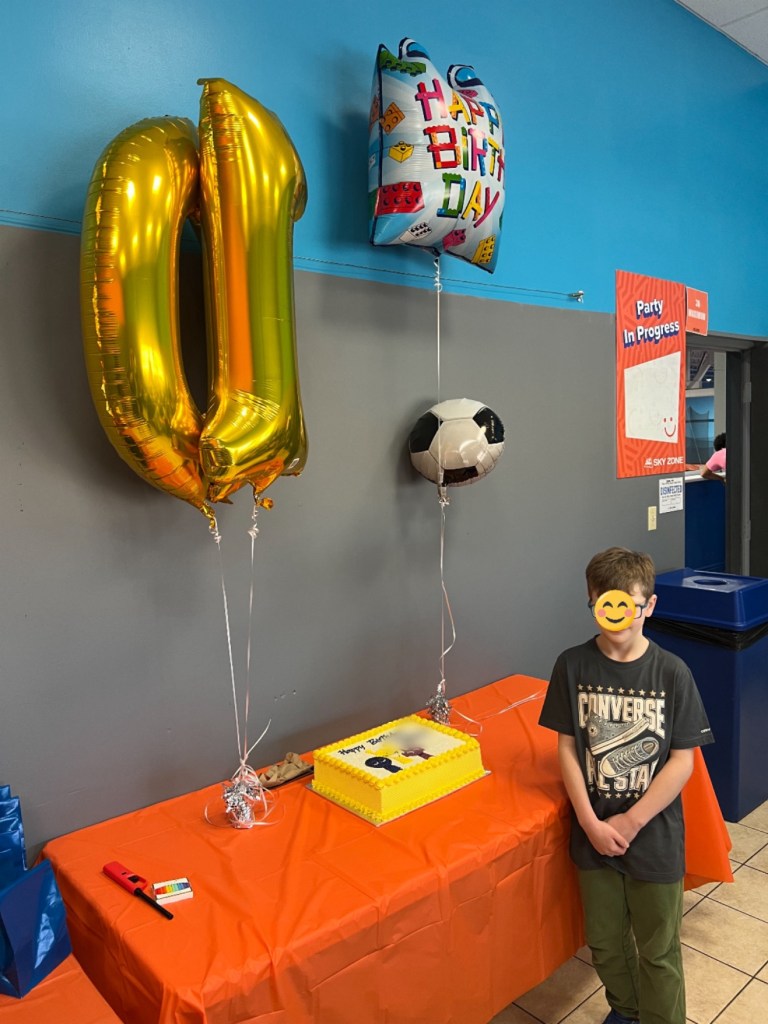
T had his first-ever birthday party on Saturday at Skyzone Trampoline Park.
I’ve often felt guilty that we never got to do a proper party for T. The pandemic then my sister and mom’s deaths at the start of the last two years made it hard to plan one.
This year, the hubby and I were determined to make it happen.
We were nervous no one was going to come, as we’ve read heartbreaking stories of neurodiverse kids being devastated during birthdays.
So we let T know to hope for the best and to be ok if it was just the three of us celebrating.
Things worked out amazingly!
T celebrated with 18 kids from school, daycare and his foster brother. With parents, his foster parents, grandparents and us, there were nearly 40 people celebrating T’s big day. 💕

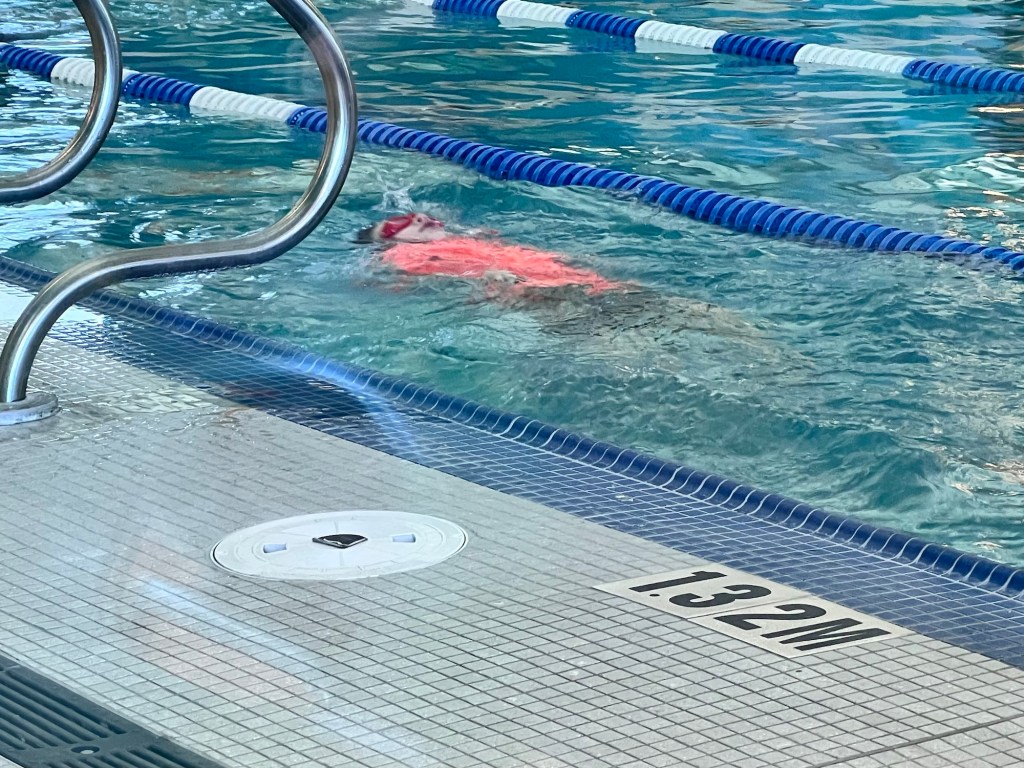
Saturday started off with swim lessons.
His grandad joined us and it was nice for him to see, for the first time, T in action. We learned that T was moving up to Level 7 in the Spring. 💕
SkyZone ended up as the perfect venue. 1 hour of play at Noon then pizza, nuggets and cake at 1. Then everyone had to GTFO.
I loved seeing the kids sitting, eating and chattering amongst each other. It was nice to meet them and their parents.
Prior to the party, we spoke with T about being a good host and to spend time with each guest.
My heart filled with gratitude as I watched T smile bashfully and with appreciation, as the room sang Happy Birthday.
He stood between the hubby and I and held our hands as I said a few words of thanks. Then I asked T if he wanted to say anything.
“Thanks for coming to my party and celebrating with me,” he said.

After everyone left, one of his friends and his dad stayed behind for another hour and a half.
This Grade 4 student was new to the school and a kid that gets along very well with T.
Speaking with his dad, I learned the kid has ADHD and dyslexia and his older brother is autistic. The classmate is on an IEP and medication.
I openly shared T’s diagnosis and our journey and as I watched our kids play together, I felt that they were brought together for a reason.

T received a lot of presents, even though we asked parents not to bring presents.
As I watched T open them at home, I thought to myself that every child deserves at least one amazing party in their childhood.
So we soaked up the moment and the excess and smiled with gratitude.
I spent last week looking at old photos and so many fun memories and adventures from the last nine years. Each stage had moments I wish I could bottle up forever and tough lessons that made me a better person.
Parenting is not easy. Layer a complex diagnosis such as FASD on top and some days can be very challenging.
I am thankful for our son and every moment spent with him. He’s made our lives richer and meaningful. I look forward to the memories and milestones in the decade ahead! Puberty, stinky armpits and feet, birds and the bees, adulthood. 🫣
Happy 10th birthday, T! We love you so so much. 💕