An Ontario teen lived in this shed while under the watch of Children’s Aid. ‘Everybody knew, nobody cared’. The article beyond this headline was grim.
A 15-year-old boy with FASD, whose aggression and behaviour became a safety risk to his parents, is now living in a garden shed.
I read this article on Friday evening, after a challenging week with T, our 11-year-old son with FASD, and it was hard not to project my fears onto this family’s difficult situation.
FASD describes a lifelong brain-based disability affecting those who are exposed to alcohol in the womb.
When I read articles such as this recent one – published in our city’s most-read newspaper – it dismays me, because this is often the narrative that is portrayed about FASD to the masses.
I am not minimizing this family’s situation nor downplaying the very hard realities that families face in supporting an individual with FASD.
I absolutely get it.
The challenges we’re facing with T, as he transitions into middle school, relate to regulation, executive functioning, and oppositional behaviour.
At home, in his safe space, it includes verbal aggression and disregulation on an almost daily basis – and sometimes, in his most explosive disregulated state, physical aggression.
While he has not punched a hole through a wall – let’s hope it stays that way – we have dings and dents on walls and floors following his outbursts.
In a way, the hubby and I are fortunate we’re men, because I empathize with the mother in the article and her fear and guilt.
But I also want to shout from the rooftops – with enthusiasm and rage – that there are more layers to FASD than the one often portrayed in the media.
People with FASD have incredible strengths. T is bright, funny, very caring and empathetic (when he’s not being an asshole 🤣), articulate, and gifted with hands-on STEM activities.
Why are these stories – such as this inspiring lived experience speech by Irish youth Jacob Casson-Rennie (see below) – limited to niche social media, online communities and advocacy groups?
Why have the same newspapers ignored my email pitches to write a balanced story about FASD – and continue to push a specific type of story?
This deflates me during my low moments and makes me feel like the odds are stacked against caregivers and our loved ones.
But as I learn from T, every day is a new chance to try again.
Odds are just statistical data. Focus on things that we can control and tilt the odds in our favour, no matter how small.
I acknowledge that multiple truths can exist:
Caring for an individual with FASD is hard and on hard days, I detest T’s behaviour. But I also love who T is at his core and believe in his potential.
I can acknowledge that hard moments are real and deflating but also choose to focus on the big picture: we have more joyful, fun and positive moments than we do the difficult ones.
None of us truly know how our stories will unfold. But we can take the actions that are within are control to tip the odds in our favour.
And that’s the hope that keeps me going.
This Sunday morning, I got up and focused on completing three tasks: editing an article for work, meal prep for the week, and clearing the leaves off our back and front yards.
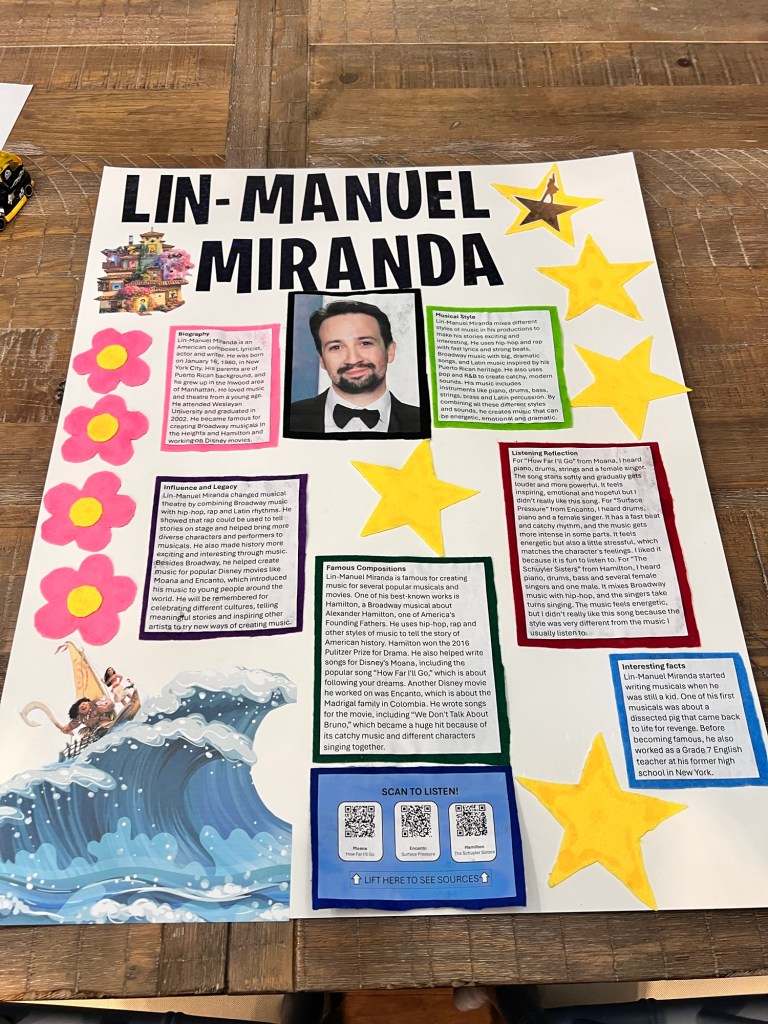
The hubby was in charge of helping T with his music assignment: to create a poster about a famous composer. T chose Lin Manuel Miranda, because he likes the movies Moana and Encanto – they were once on daily repeat for a while.
Five hours, seven bags of leaves and four dinners prepped later, I was drenched in sweat and satisfaction and T created a lovely poster with the hubby’s help👇🏻.
And that’s the hope that keeps me going.
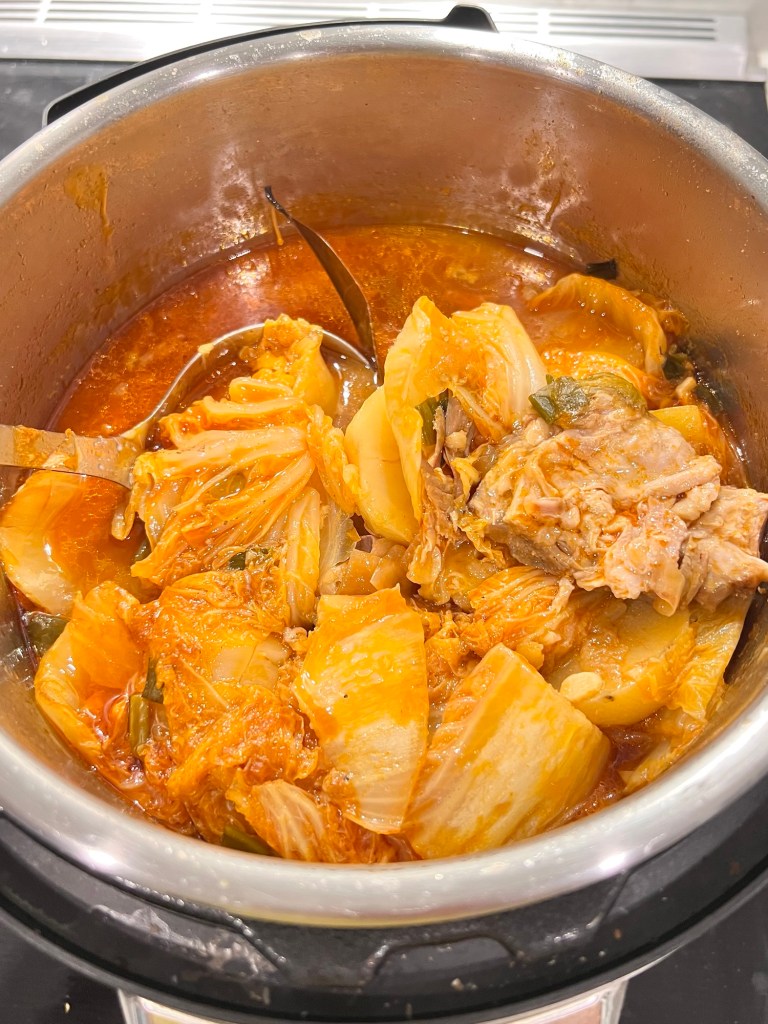
And I can’t wait to enjoy this gamjatang (Korean pork bone soup) tomorrow. It’s the hope that’ll get me through Monday! 🤣


Humans are often lazy with their stereotypes and love to put everyone in the same box. Besides the points that you have eloquently described about people falling prey to defining all FASD individuals the same way, I see the same thing with some who like to label the homeless as lazy or unwilling to work. While this is true of some, it ignores the many people dealing with mental health issues or underlying dysfunction and trauma.
I love this perspective: “Every day is a new chance to try again.”
LikeLike